Building Resilient Homes with Bamboo in Disaster-Prone Regions
By | March 6, 2026 | Exploring Bamboo -
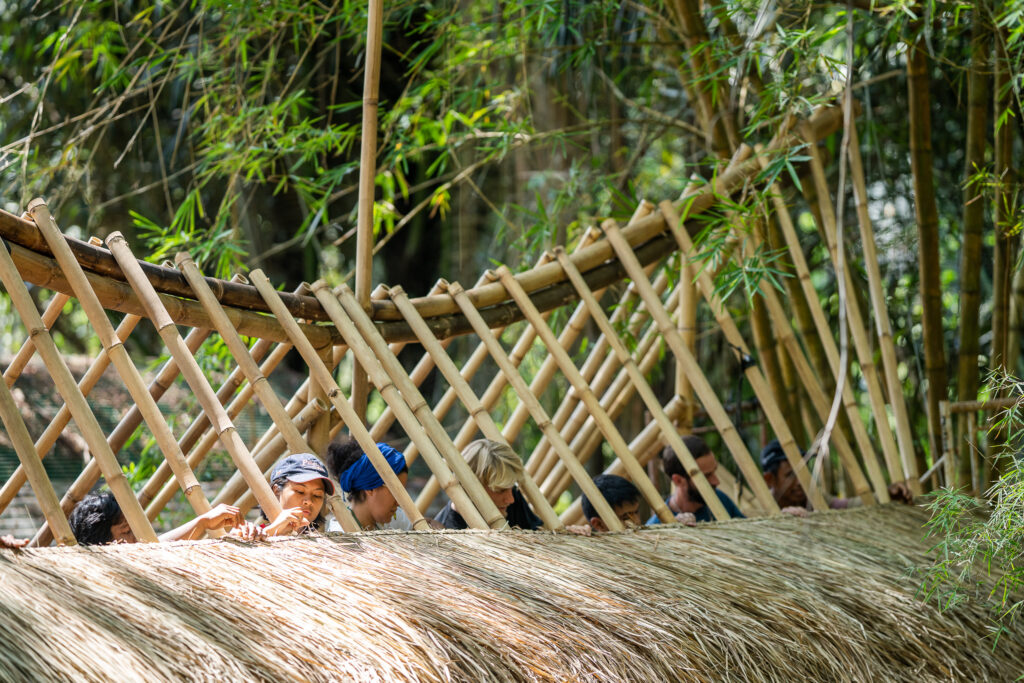
The areas most vulnerable to disasters are often also those with the most limited access to safe housing.
In the past decade, climate-related disasters have displaced approximately 250 million people worldwide (UNHCR 2025). That’s nearly 70,000 people per day displaced by increasingly frequent floods, storms, droughts, and heat waves. Behind these numbers are millions of families who have had to start from scratch, repeatedly. And as is often the case, those most affected are the most vulnerable.
Many of the world’s highest disaster-risk countries, such as Indonesia, the Philippines, Nepal, India, and Mexico, also have large populations of low-income people. These regions are located in earthquake zones, typhoon belts, floodplains, or storm-prone coastal areas.
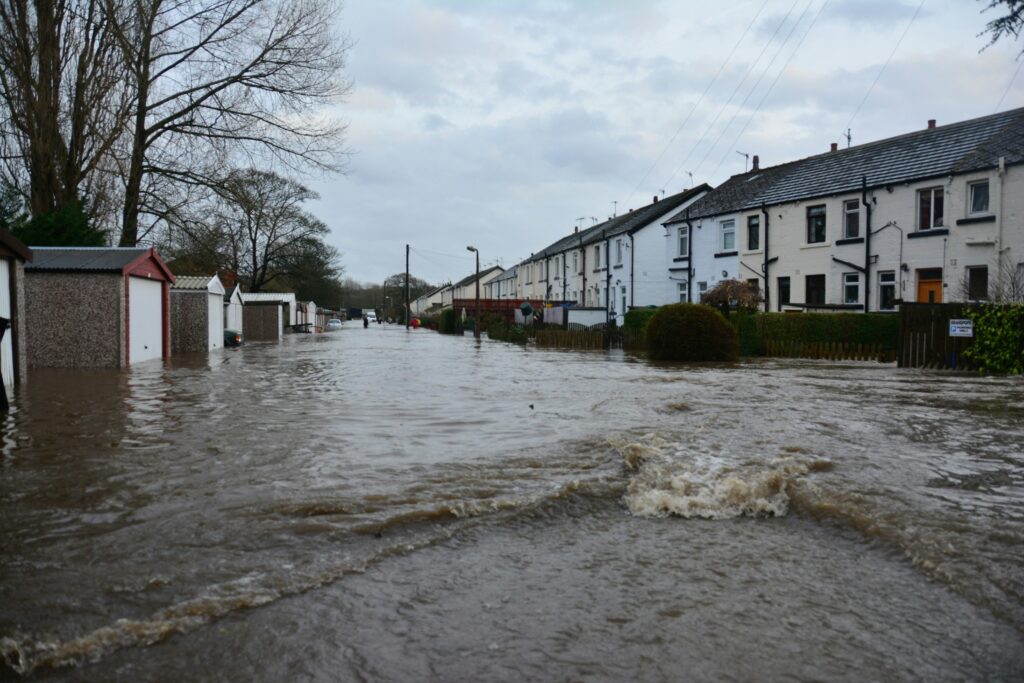
In these regions, houses are built incrementally as families can afford, often without access to disaster-resistant materials or construction systems. When natural disasters occur, these are the homes that collapse first, fragile structures built with limited resources and little protection against nature’s force. In the aftermath, families move into tents or temporary shelters, uncertain how long “temporary” will last. The process of rebuilding is slow and financially draining, often stretching beyond what they can afford. Sometimes, just as stability begins to return, another disaster-event takes place, forcing them to start all over again.
For low-income families, rebuilding once is already challenging, and doing it repeatedly can destroy their future. Therefore, affordable housing in disaster-prone areas cannot simply be cheap. It must be resilient, adaptable, and accessible to the community itself.
Related: Women-Designed Bamboo Shelter Systems that Empower Communities after Disasters
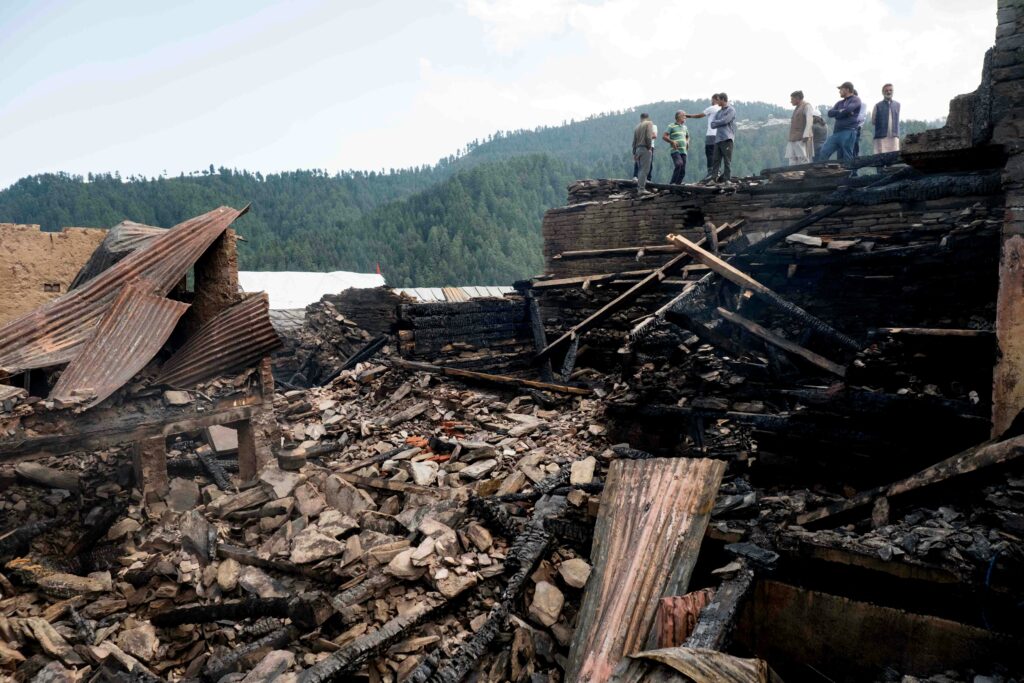
In post-disaster situations, speed is crucial, but dignity is equally important. Emergency tents provide temporary shelter, but they are not designed for long-term living. Meanwhile, transitional shelters are often used longer than planned, while families wait for permanent solutions that may never arrive.
Interestingly, many regions with high disaster-risk are also where bamboo grows abundantly. Across Southern and Southeast Asia, Sub-Saharan Africa, and Latin America, bamboo has long been a part of vernacular architecture.
But more than just tradition, bamboo has several structural and environmental characteristics that are highly relevant to construction in these regions.
This is where bamboo stands out as a globally relevant alternative solution. It is multi-faceted in that it is flexible, environmentally-sustainable, easily accessible and opens up economic opportunities, all the while serving as a solution for disaster-relief housing in areas where it is most needed.
One of the greatest challenges in disaster-prone areas lies in the difficult transition from emergency shelters to permanent housing. In the immediate aftermath of a disaster, families need structures that can be assembled quickly and distributed efficiently. These are often simple shelters that offer instant protection from the elements.
However, these must evolve into weather-resistant spaces suitable for medium-term living, providing greater stability and privacy. Ultimately, what communities truly need are permanent homes: safe, resilient structures that can withstand future shocks while remaining economically accessible to those rebuilding their lives.
Bamboo can be integrated into modular systems suitable for both these phases, from lightweight, quick-to-build structures to strong, habitable, permanent homes. Utilizing bamboo can also activate local capacity, involving communities in material processing, structural assembly, and home maintenance. This not only speeds up the construction process but also empowers the local economy.
Related: What Properties Make Bamboo an Excellent Material for Construction?
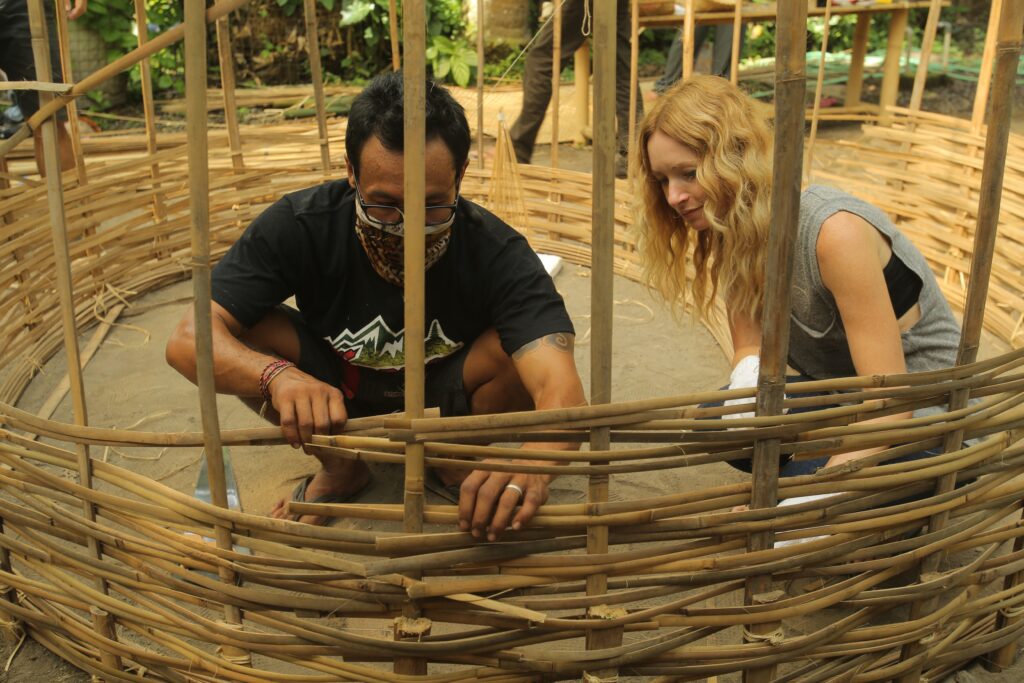
It is important to acknowledge that the adoption of bamboo in mainstream construction still faces significant challenges. In many contexts, bamboo continues to be associated with poverty or seen merely as a temporary solution rather than a viable long-term building material.
At the same time, the development and widespread implementation of standardized engineering guidelines for bamboo remain limited in many regions. Building regulations often lag behind innovation, with existing codes not yet fully accommodating bio-based materials. Together, these barriers are less about the material’s capability and more about perception and policy.
However, in many countries, including several global initiatives, there is now a strong push for architects and engineers to become “bamboo-ready.” The global housing crisis in high-risk areas is no longer a problem that can be postponed. With millions of people losing their homes each year due to climate and geological disasters, conventional construction materials alone are insufficient.
Sources
Bündnis Entwicklung Hilft & Institute for International Law of Peace and Armed Conflict (IFHV). (2023). WorldRiskReport 2023. https://weltrisikobericht.de/worldriskreport/
United Nations High Commissioner for Refugees (UNHCR). (2025). No Escape II: The Way Forward.
Join us to reimagine the future of bamboo social housing in the Bamboo Housing Challenge!
Join the 11-Day Bamboo Build and Design Course: hands-on building alongside experts, architects and makers from around the world. Explore the 11-Day Course

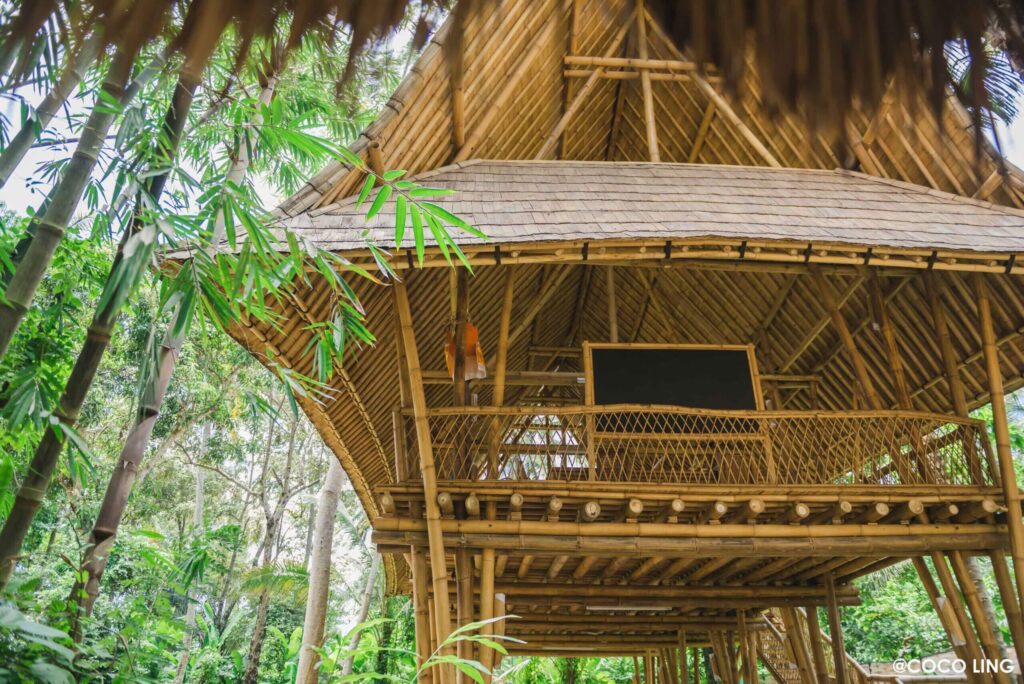
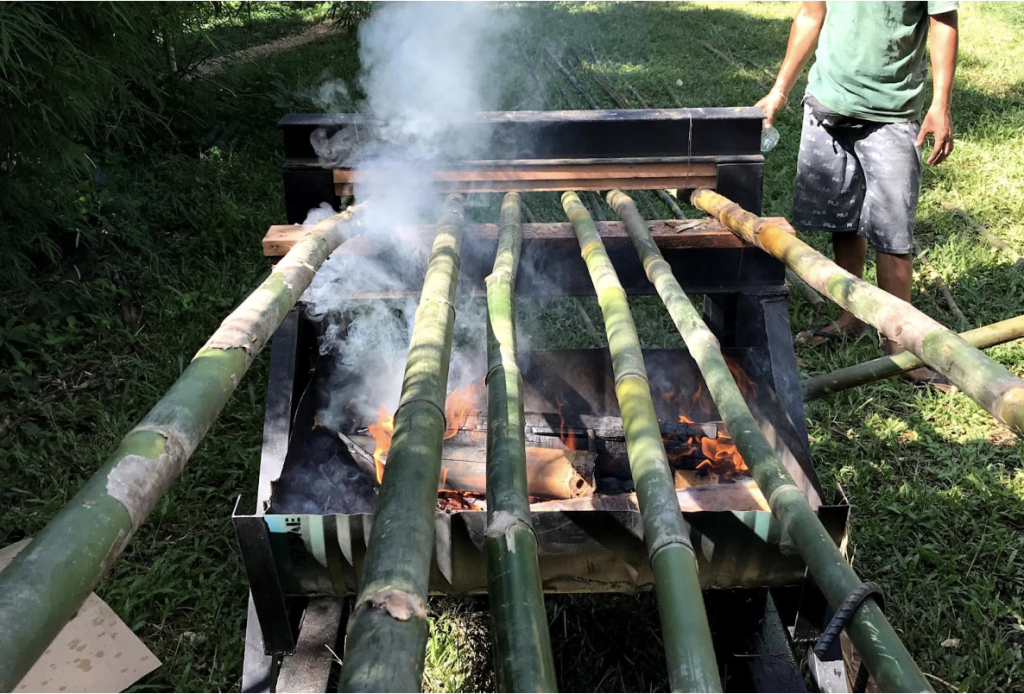
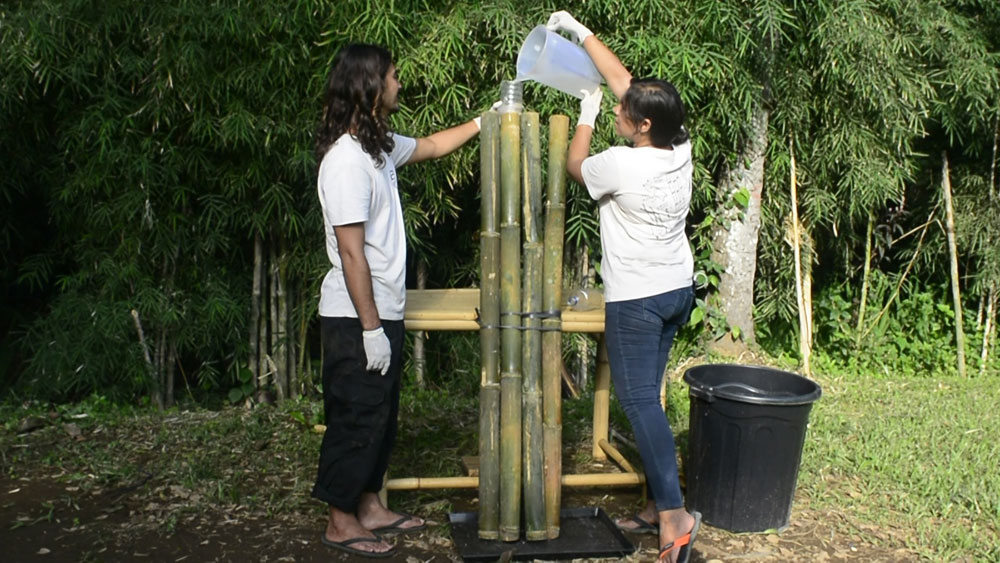

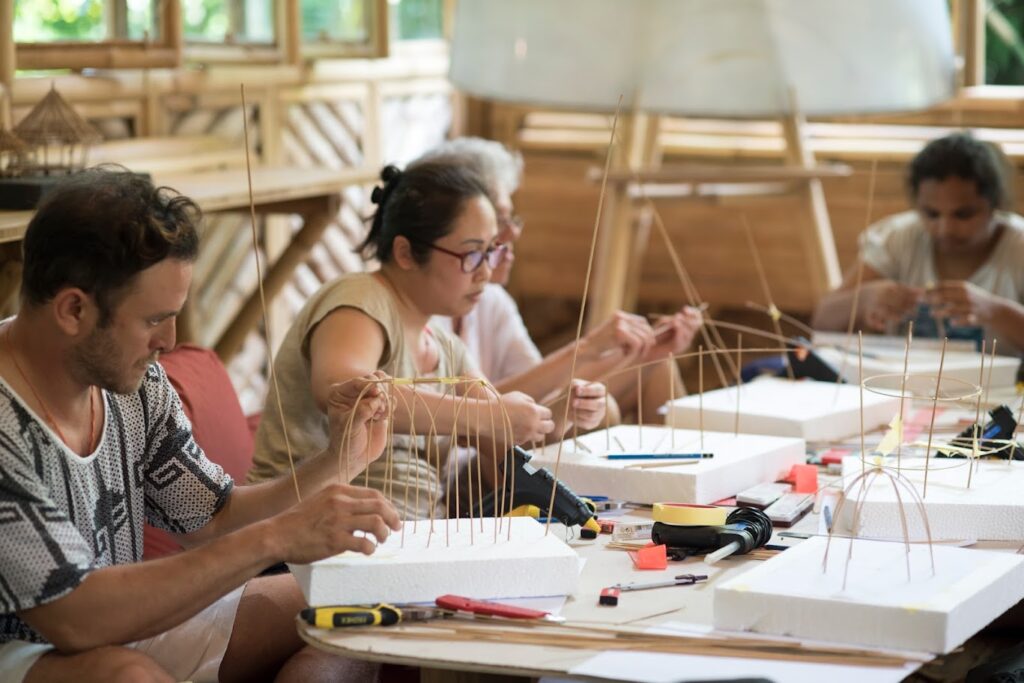

The 11-Day Build & Design Course
In collaboration with IBUKU
Immersed in the most beautiful and innovative bamboo environment. Meet the pioneers, the visionaries, the designers and builders who took this under-utilized material and transformed it into the most desired natural building material for bamboo structure design.
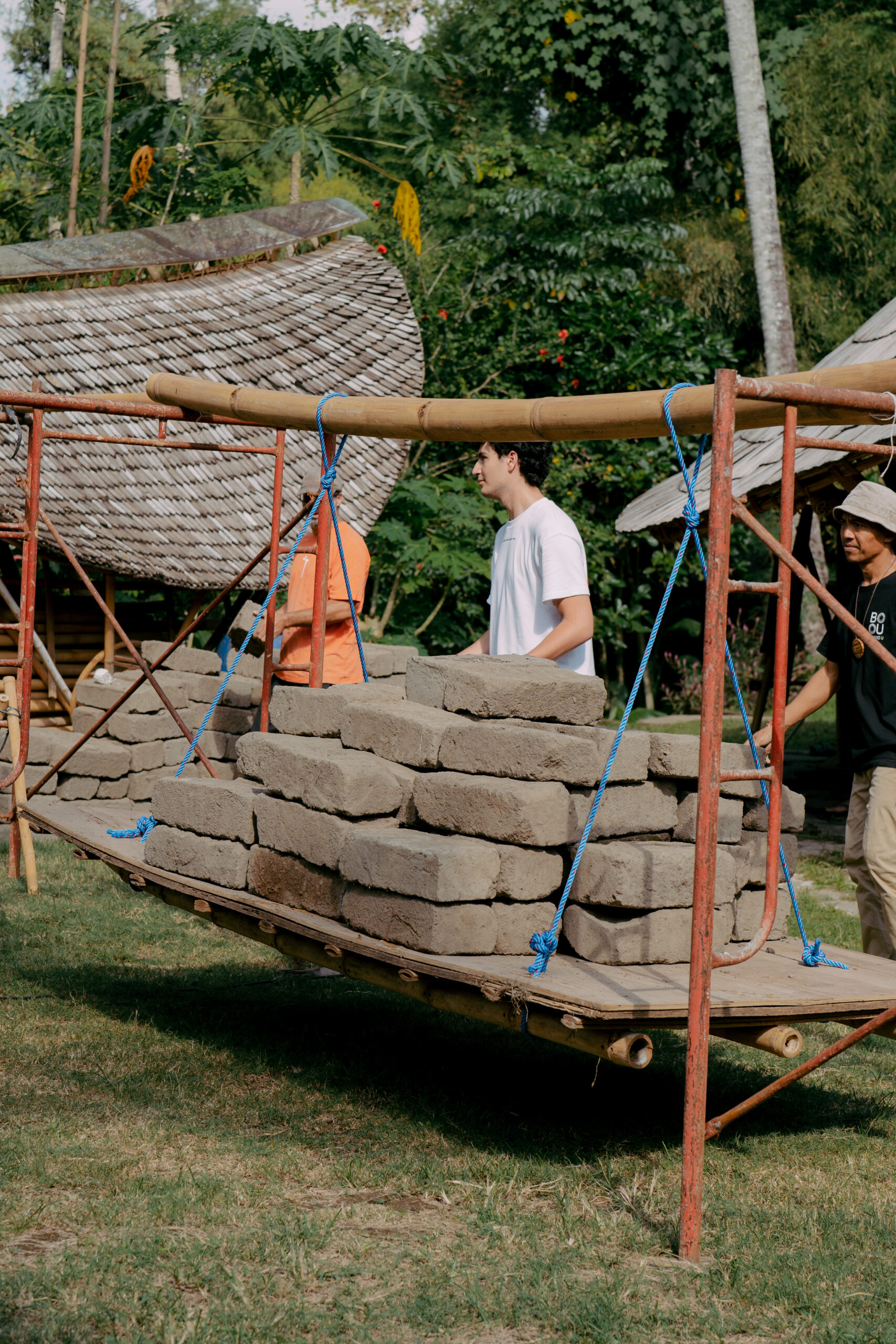
The Intro to Bamboo Engineering Online Course
Designed specially for structural engineers, this FREE online course has been created in collaboration with the Base Bahay Foundation, based in the Philippines.Join the course to learn how bamboo's innate properties make it a versatile building material, and how these properties can be maximized and applied in structural design.