How can Bamboo Waste become a Valuable Resource?
By | May 6, 2026 | Exploring Bamboo -
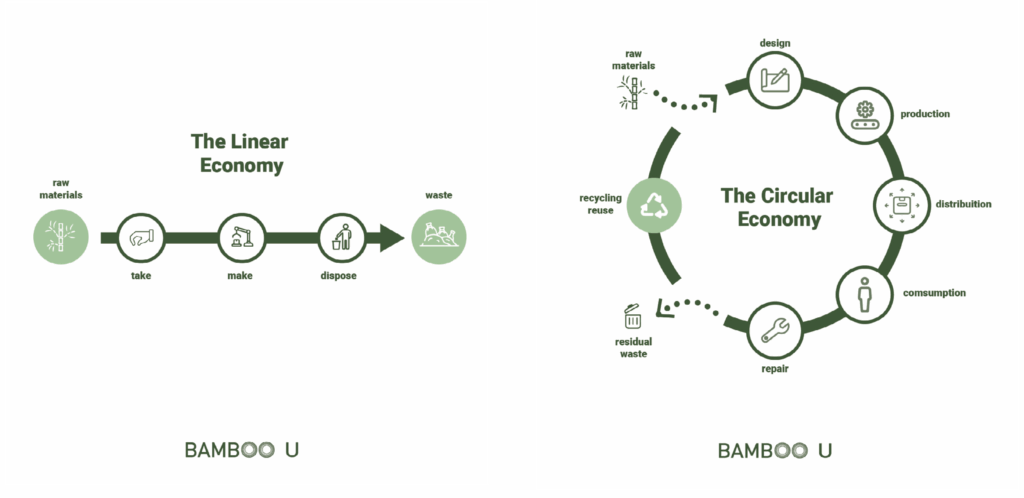
Central to the concept of the circular economy is a reframing: Viewing waste not as a problem but as a resource with value. Unlike the conventional linear model, ‘take, make and dispose,’ the circular economy involves reusing, repairing, recycling, and sharing to extend the life of materials for as long as possible.
Increasingly, this approach is being embraced globally, shaping environmental policy in the EU, China, Africa, and the United States, among other governments and organizations. However, this way of using resources is by no means new. Historically, and still to this day in many parts of the world, materials were highly valued, and considerable effort was made to reuse and recycle them. With industrialization and increasing levels of consumption and convenience, it has become cheaper and easier to use something just once and then throw it away.
Timber and bamboo are often excluded from conversations about the circular economy. This is not because they do not fit in, but because they are already seen as natural or biodegradable. But by keeping these materials in use longer and in higher-value applications, we can significantly amplify their environmental benefits.
The circular economy is not just about reducing the waste we create, it’s about maintaining the value of the materials we are using. Instead of down-cycling timber and bamboo into low-grade filler or fuel, we can upcycle them into durable, long-lasting products that keep carbon locked in and reduce the demand for more resource extraction.
Related: 5 Interesting Myths about Bamboo – Debunked
Upcycling wood is not a new idea. After the Second World War in Europe, reclaimed timber was used out of necessity, especially to rebuild homes and infrastructure. Over time, reclaimed timber began to be a trend in North America in the 1980’s and 1990’s, as designers began to recognize the aesthetic and environmental benefits of reusing timber. More recently, used timber has been engineered into high-performance products such as cross-laminated timber (CLT) and glue-laminated timber (glulam). These materials have been gaining popularity as a way to replace steel and concrete in buildings, providing strength, beauty, and a lower carbon footprint.
We now have the opportunity to do the same with bamboo, thereby keeping this resource in circulation for longer. In recent years, new techniques for processing bamboo have begun to mirror the advancements of timber. This has led to the creation of engineered bamboo products with high structural potential by companies such as Indo-Bamboo. These products are structurally comparable to cross-laminated timber with all the sustainability benefits of bambo and are increasingly seen as an entry point for bamboo into construction markets across Europe, North America, and other urbanized regions.
Just as reclaimed timber can be used to make CLT and glulam, there is a potential to produce cross-laminated bamboo using post-consumer bamboo waste, such as offcuts, scaffolding poles, or cracked poles. By upcycling waste bamboo into structurally viable products, we could extend the useful life of bamboo and keep carbon stored for longer.
Felix Böck is the founder of ChopValue, a company that upcycles used bamboo chopsticks. He recognized this problem and has focused on making products that increase the value of these discarded materials.
Felix challenges the common use of the term upcycling, arguing that it often refers to small-scale, craft-based reuse. However, he believes that this mindset can be scaled, where handcrafted ideas around material reuse are integrated into production processes that create new, higher-value architectural applications.
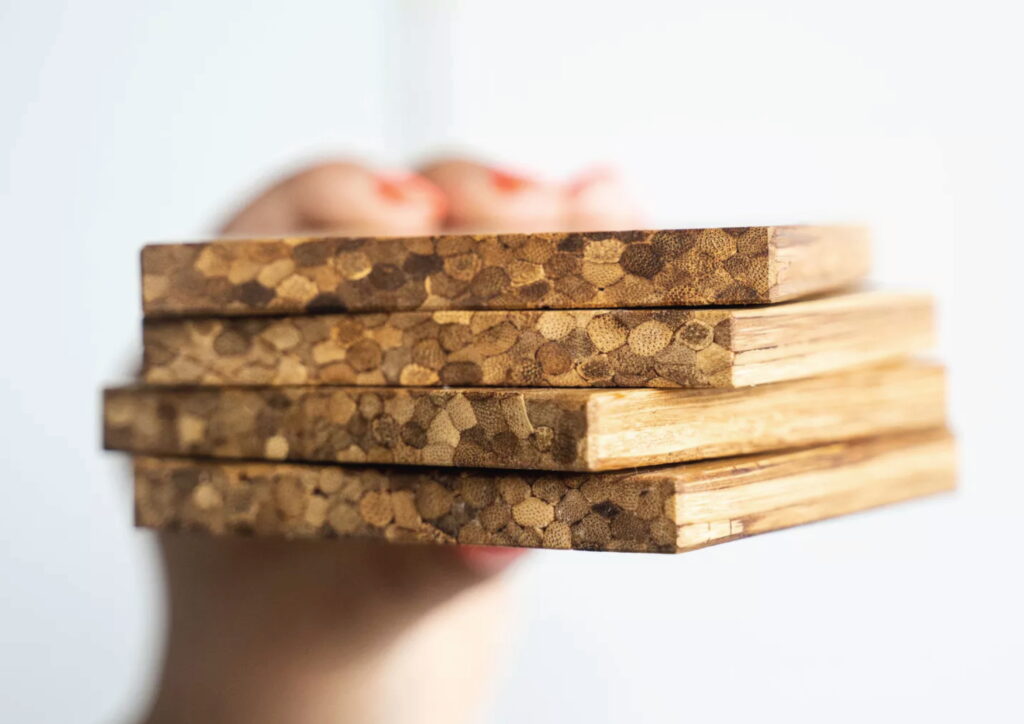
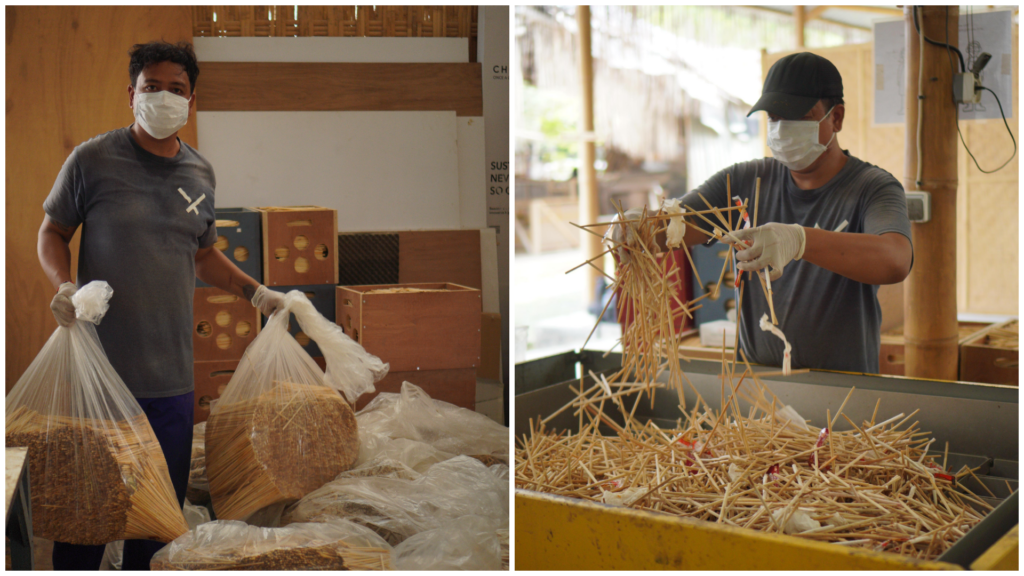
By collecting chopsticks from local restaurants across various cities, cleaning them, compressing the chopsticks into tiles, and then turning those tiles into products, ChopValue turns urban waste into a resource. ChopValue’s process is able to give materials a more valuable second life.
Related: Why is Bamboo so Important for Sustainability?
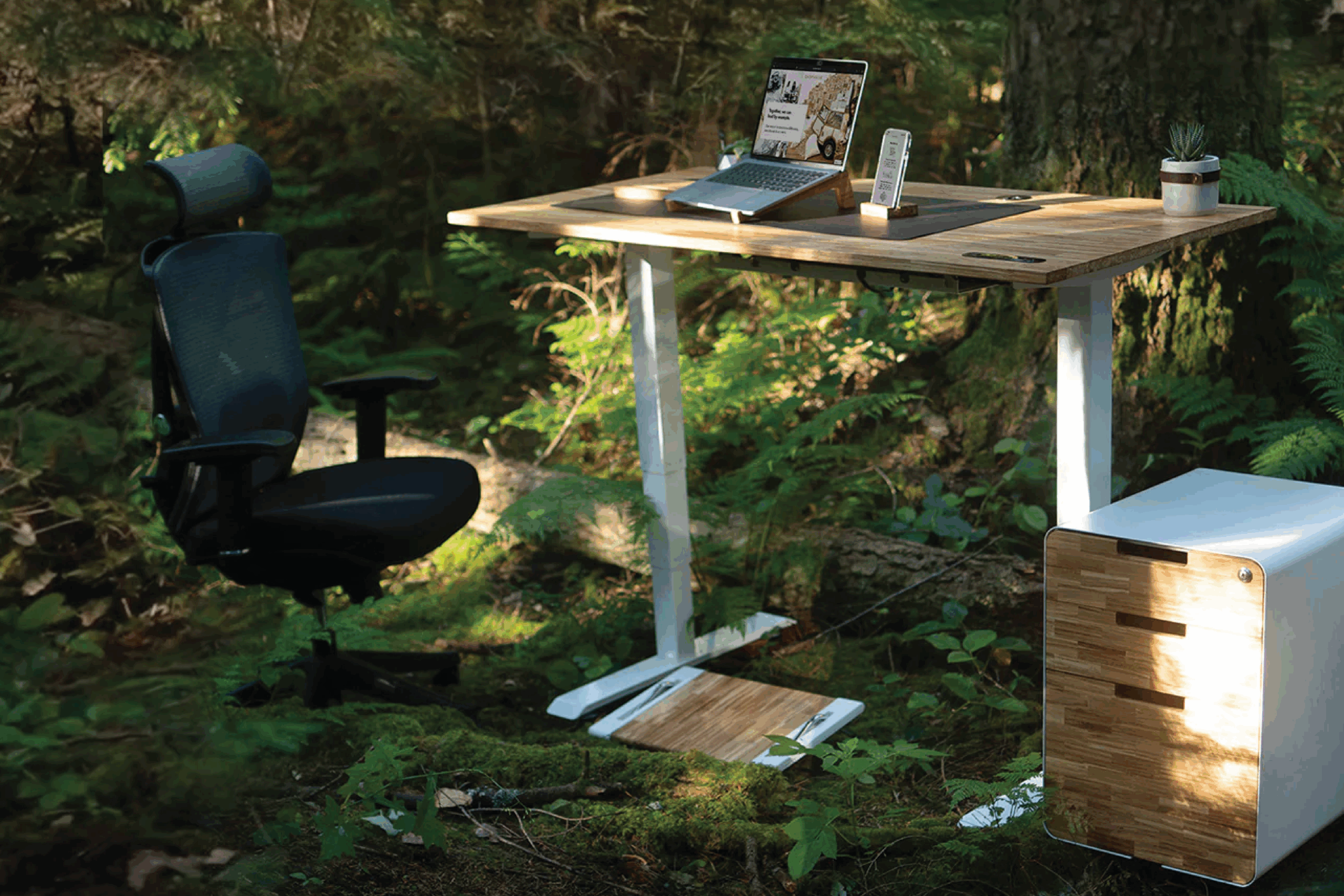
ChopValue’s model provides a clear example of how bamboo waste upcycling could, and already is, working. Their process of turning used chopsticks into engineered tiles and premium products shows that even small, discarded bamboo pieces can be reused through upcycling.
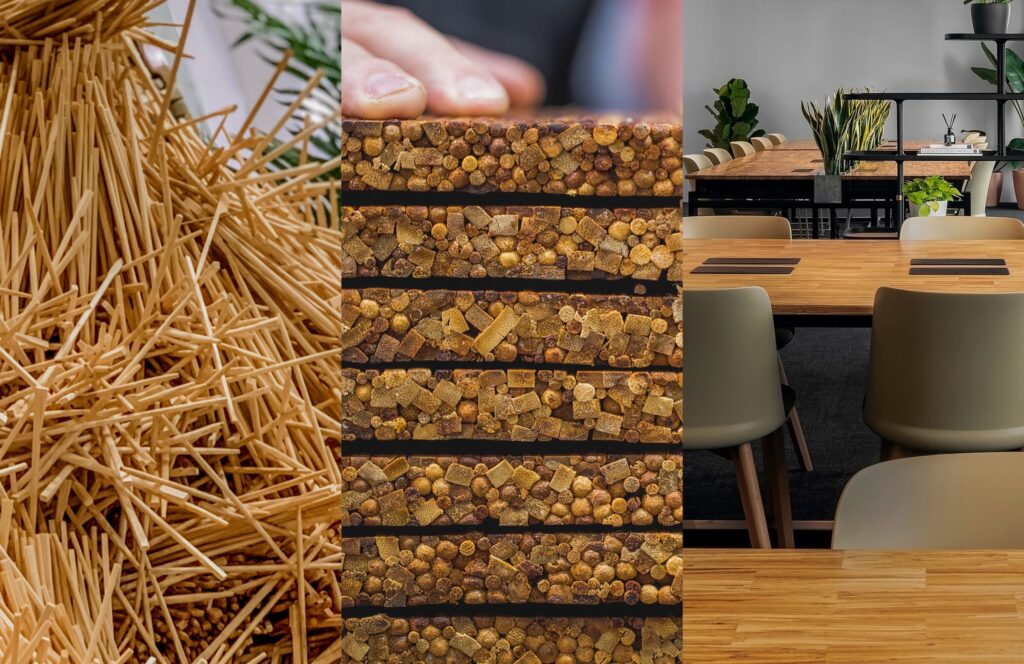
ChopValue’s work is just one example of how we can make a shift from linear thinking to circular solutions with bamboo. If we begin to view used bamboo not as waste but as a valuable resource, we unlock more opportunities to design with greater care for our planet. Whether it’s leftover poles from scaffolding, damaged poles, or even disposable chopsticks, there is immense potential to keep bamboo in circulation by storing carbon and reducing demand for extractive materials. By embracing a circular economy way of thinking and designing for longevity, we can give bamboo an even greater role in building a regenerative future: A future where nothing is wasted, and everything has value.
Take a tour of the Chopvalue Bali Microfactory as part of our 11-Day Build and Design Course!
Head to the Chopvalue website to learn more about their initiatives and products.
Learn to design and build with bamboo in Bali.
Join the 11-Day Bamboo Build and Design Course: hands-on building alongside experts, architects and makers from around the world.
Explore the 11-Day CoursePrefer to start online?
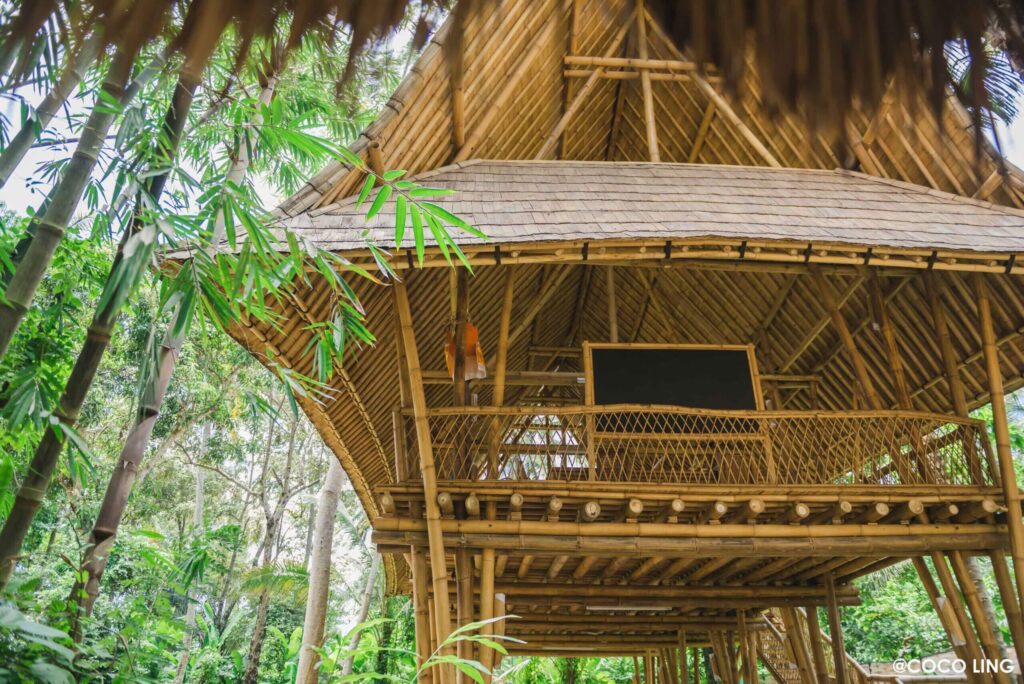
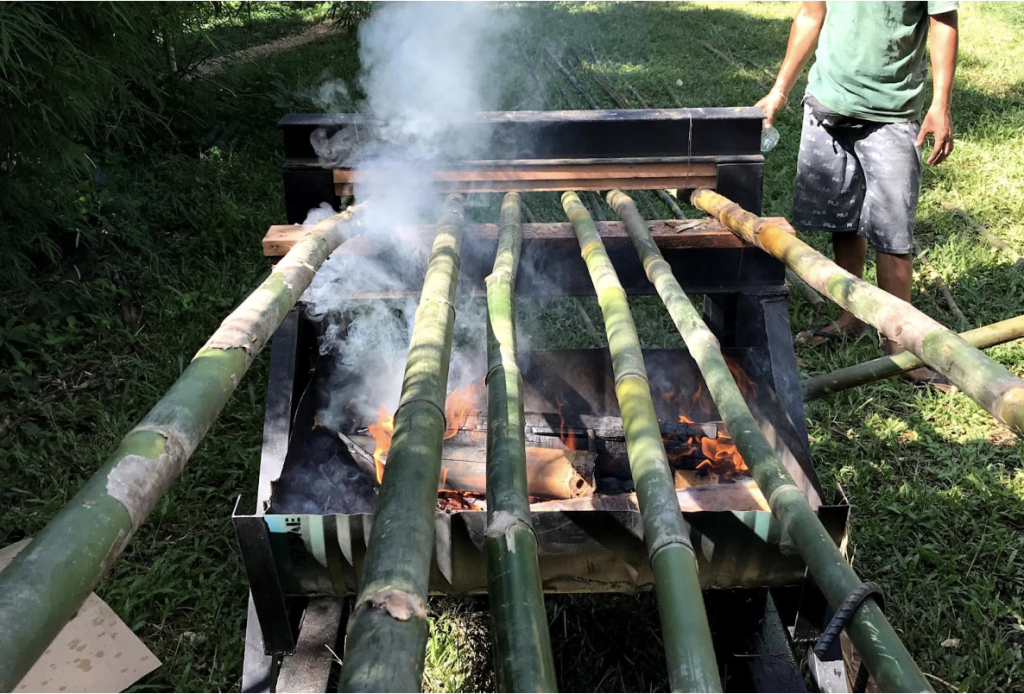
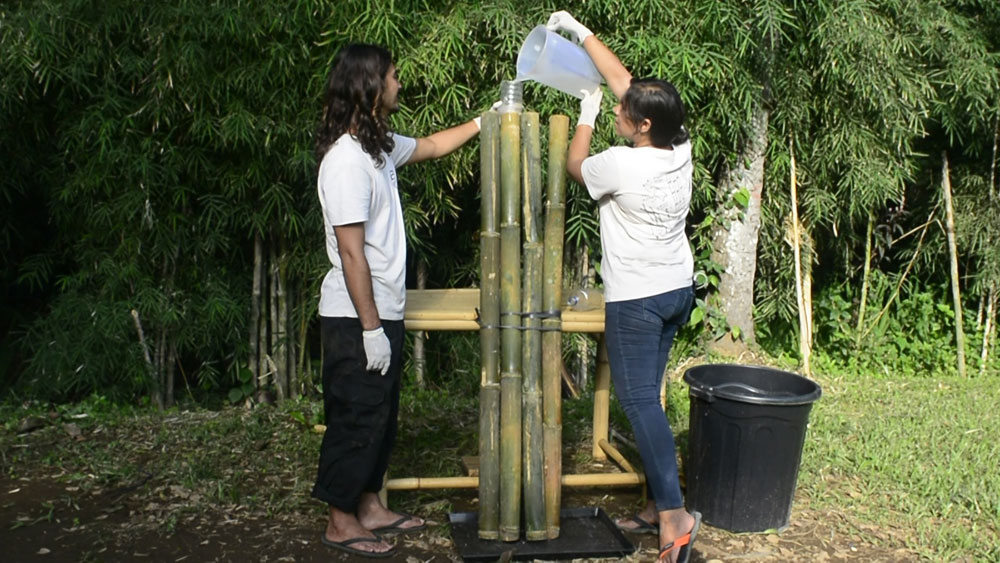

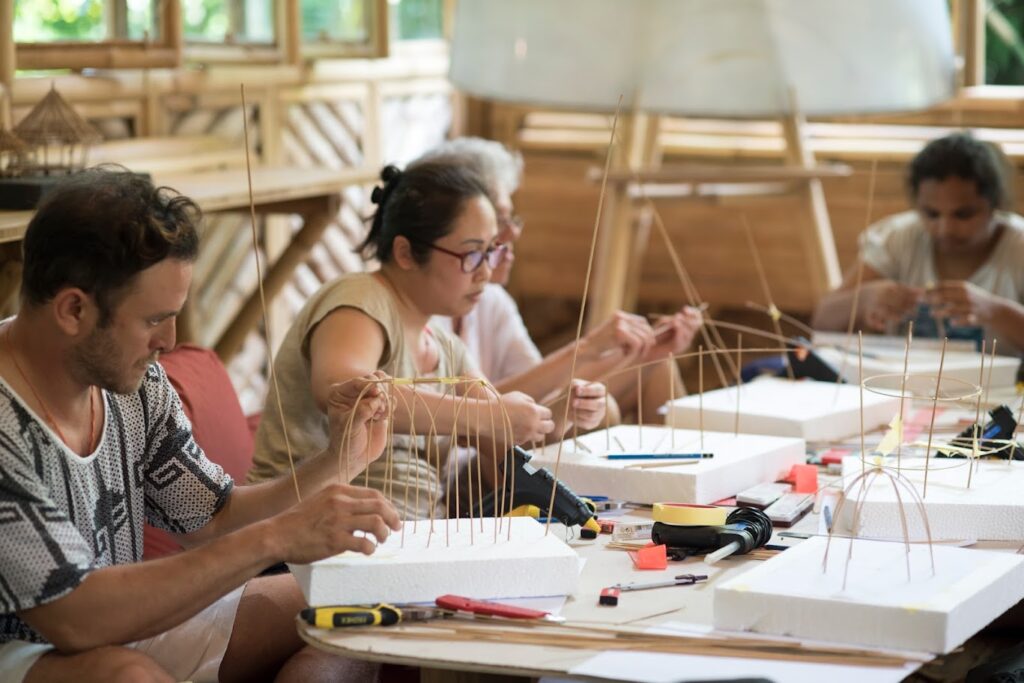

The 11-Day Build & Design Course
In collaboration with IBUKU
Immersed in the most beautiful and innovative bamboo environment. Meet the pioneers, the visionaries, the designers and builders who took this under-utilized material and transformed it into the most desired natural building material for bamboo structure design.
The Intro to Bamboo Engineering Online Course
Designed specially for structural engineers, this FREE online course has been created in collaboration with the Base Bahay Foundation, based in the Philippines.Join the course to learn how bamboo's innate properties make it a versatile building material, and how these properties can be maximized and applied in structural design.