Disaster-Resilient Housing in the Philippines: A Case Study of Community of Hope
By | March 13, 2026 | Exploring Bamboo -
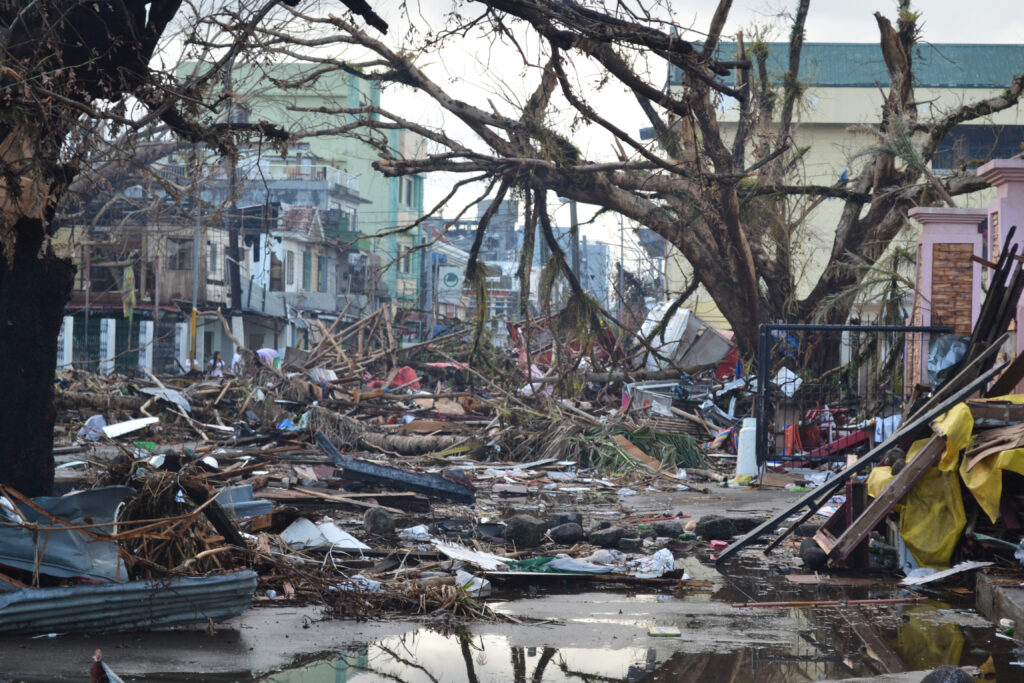
When Typhoon Yolanda struck the Philippines in 2013, thousands of homes collapsed in a short time. This disaster not only demonstrated the extreme power of nature but also exposed the vulnerability of the housing system for low-income communities.
During reconstruction efforts for Typhoon Yolanda, a key question arose: Is it possible to build affordable and disaster-resilient housing? This challenge was tackled by the Base Bahay Foundation in partnership with Operation Blessing Foundation, Inc. in the rebuilding of the Community of Hope in Tacloban.
Tacloban City is located in the Eastern Visayas region, in the Philippines’ “typhoon belt.” The city is located along the coast and has a low elevation. Some parts of the land have soft soil compositions, making the region prone to storm surge and flooding. These geographical and natural features mean that disaster risk in Tacloban is a frequent occurrence.
Given these conditions, housing in the region must be able to withstand extreme lateral wind loads, uplift pressure (lifting forces on the roof), high humidity levels, and flood risks. Without considering resilience, housing has the potential to create new vulnerabilities. For example, many houses in Tacloban, particularly in coastal areas and low-income neighborhoods, are built using lightweight materials such as wood, thin planks, or woven bamboo.
Related: Could Bamboo be the Key to Solving the Housing Crisis?
The Philippines is a country with ample bamboo. In the Visayas region, bamboo is locally available and has long been used in light construction, furniture, and crafts. However, the challenges lie in limited knowledge of treatment and engineering systems, which results in a perception of low quality. This means that using bamboo is not a matter of availability, but rather how to ensure it is used for long-lasting construction.
Despite bamboo’s abundance in the Philippines, it is often associated with temporary homes and rural dwellings, symbolizing poverty. In contrast, concrete is seen as a symbol of progress and economic stability. And this is where the challenge lies: How can we change perceptions that bamboo is a versatile, permanent and safe structural solution?
After Typhoon Yolanda, Tacloban faced a major dilemma; Families were left without homes and rebuilding from scratch would require significant time and resources. Additionally, in order for the homes to withstand future disasters, the initial investments would be high and most affected families had limited economic resources as it is.
The Base Bahay Foundation then introduced Cement-Bamboo Frame Technology (CBFT) in response to the need for housing that is:
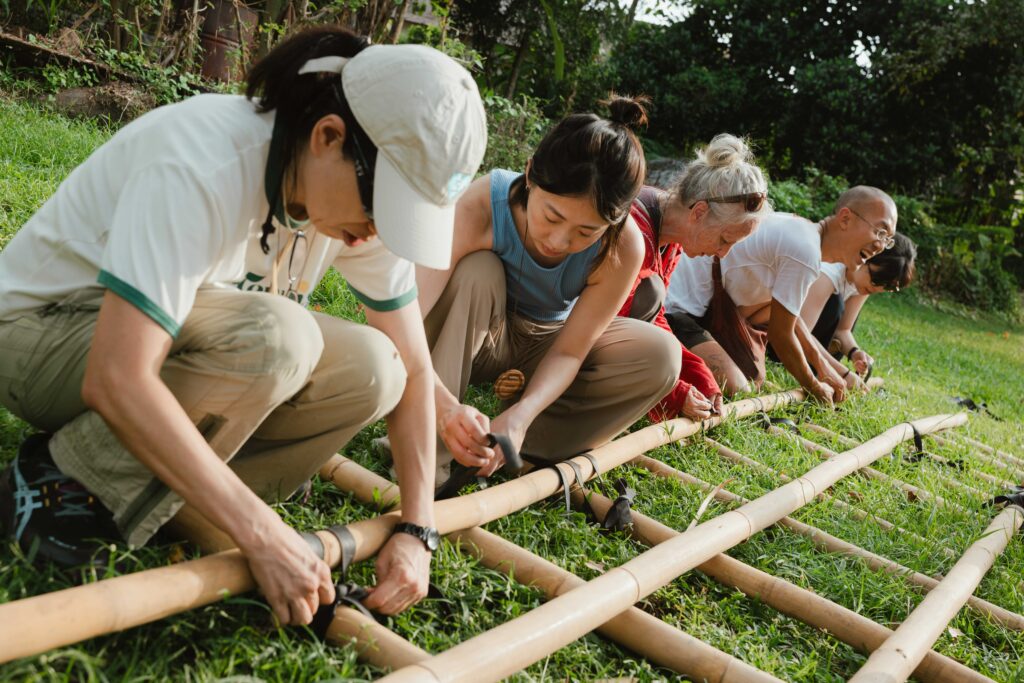
CBFT combines bamboo frames with cement mortar infill. Inspired by the Bahareque Encementado system from Latin America, this approach transforms bamboo from a traditional material into a standardized structural system. This method creates homes that appear built from concrete, yet have an internal bamboo frame. Rebuilding this way helped tackle the negative public perception of bamboo within the region.
Related: What Properties Make Bamboo an Excellent Material for Construction?
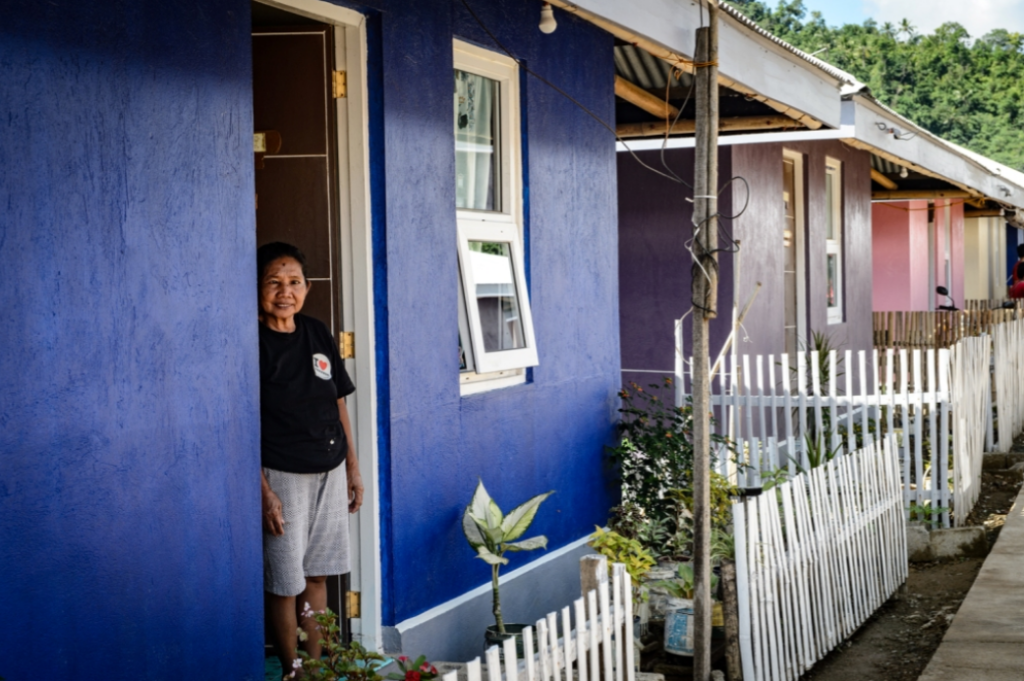
The CBFT method has several advantages for use in a geographic area like Tacloban when compared to materials like concrete.
Some of the advantages of CBFT that are relevant to Tacloban’s geographic conditions include:
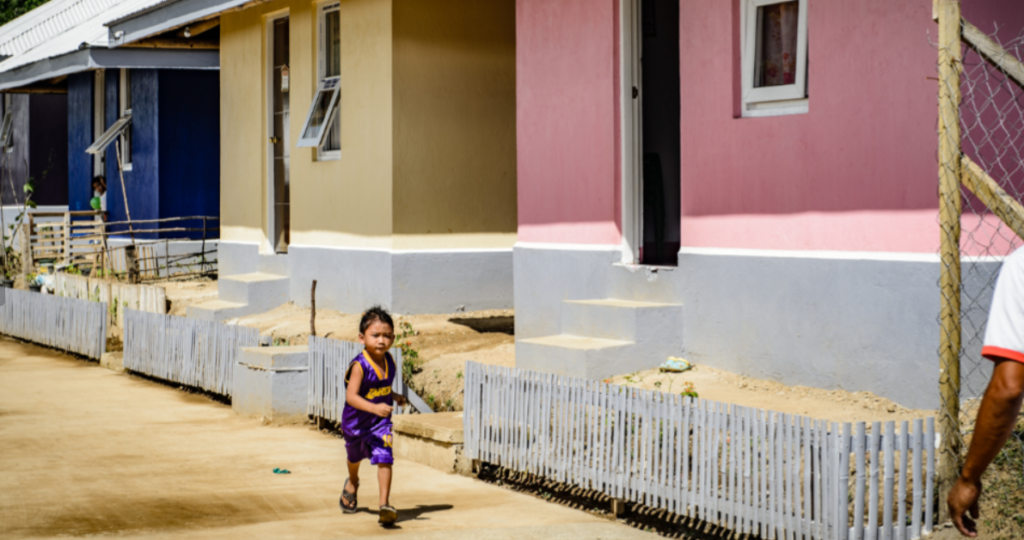
Through the Base Bahay Foundation’s Community of Hope project, in partnership with Operation Blessing Foundation, Inc., the initial target of 20 houses was successfully expanded to 100 permanent housing units.
Even though this number falls short of addressing Tacloban’s entire housing need, the project demonstrates that alternative approaches like CBFT can be a realistic solution for cities facing similar challenges. Overall, the Community of Hope project not only provided shelter for disaster victims, but also demonstrated that local materials like bamboo could be engineered into a safe, affordable, and disaster-resilient construction system. With the potential for replication in other typhoon-prone areas, this approach opens new opportunities for more inclusive and sustainable housing.
Sources
Base Bahay Foundation. (2021). Community of Hope, Tacloban.
https://base-builds.com/community-of-hope-tacloban/
Philippine Information Agency. (2024). Green foundation: Elevating bamboo as resilient, affordable construction material.
https://pia.gov.ph/features/green-foundation-elevating-bamboo-as-resilient-affordable-construction-material/
National Disaster Risk Reduction and Management Council. (2014). Final report on the effects of Typhoon Yolanda (Haiyan). Government of the Philippines.https://ndrrmc.gov.ph
Tacloban City Government. (2017). Comprehensive land use plan 2017–2025: Volume III.https://new.tacloban.gov.ph/wp-content/uploads/2025/02/Comprehensive-Land-Use-Plan-2017-2025-Volume-3.pdf
United Nations Office for Disaster Risk Reduction. (2015). Disaster risk reduction in the Philippines: Status report.https://www.undrr.org
Ready to be part of the solution? Join the Bamboo Housing Challenge and help design resilient bamboo homes for the communities that need them most.
Learn to design and build with bamboo in Bali.
Join the 11-Day Bamboo Build and Design Course: hands-on building alongside experts, architects and makers from around the world.
Explore the 11-Day CoursePrefer to start online?
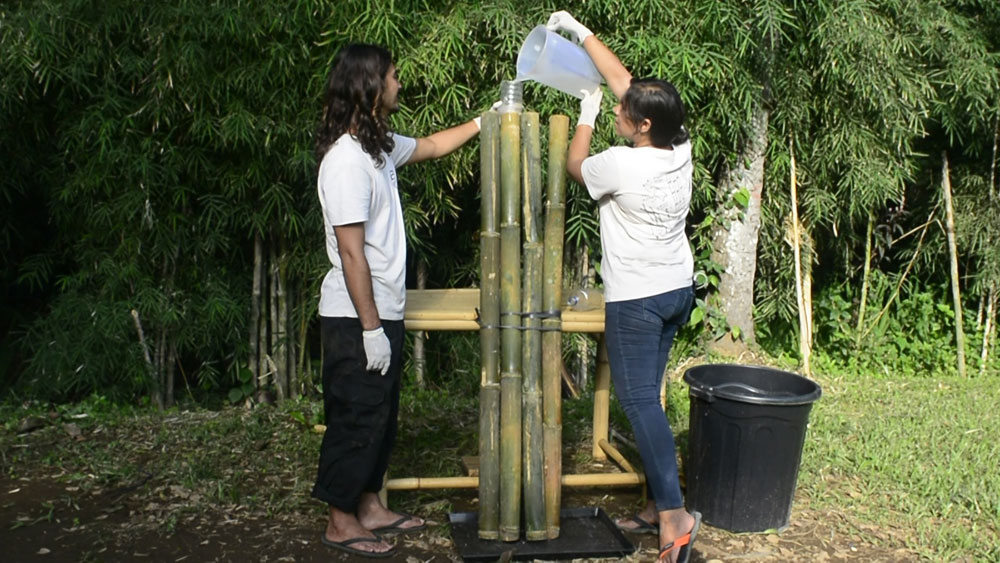
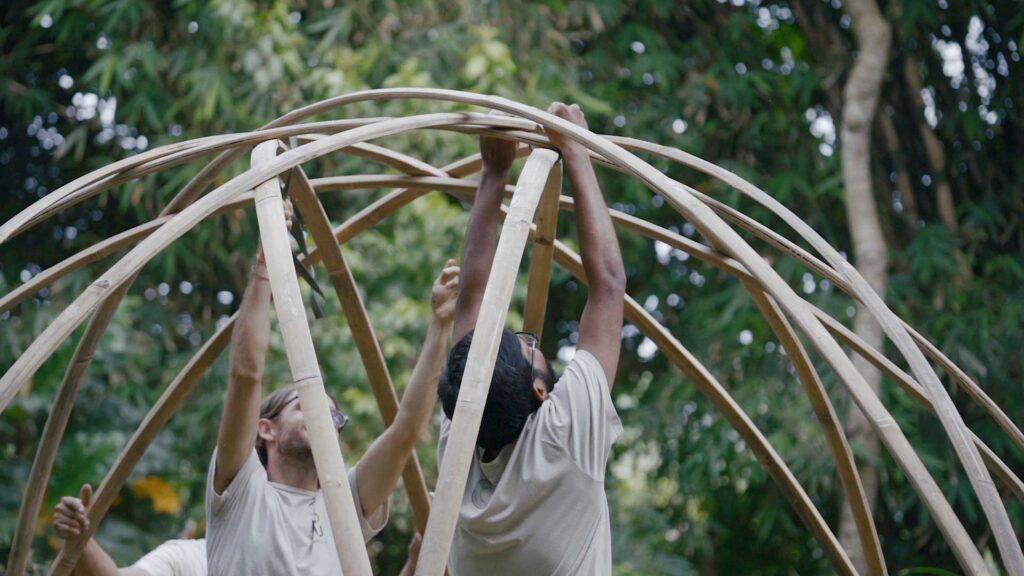
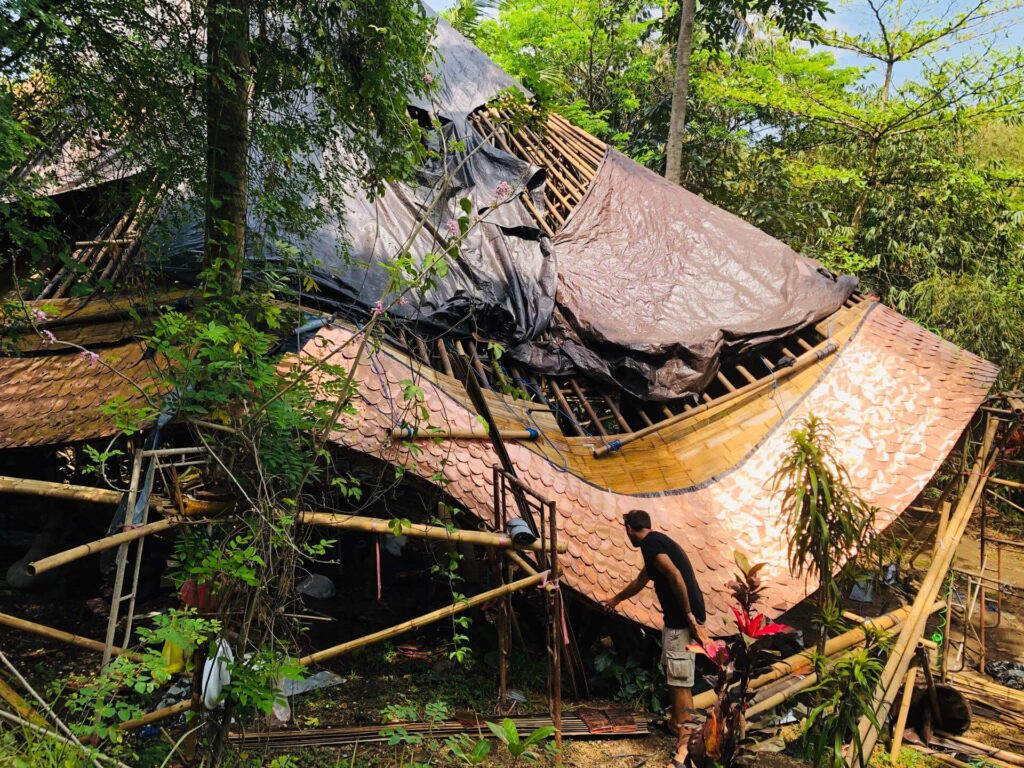
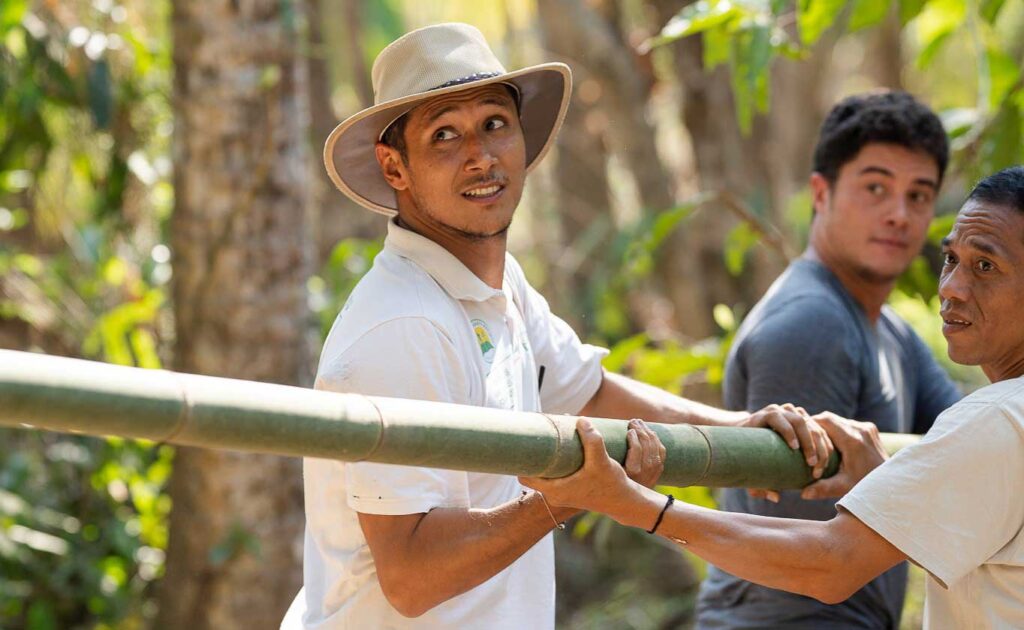
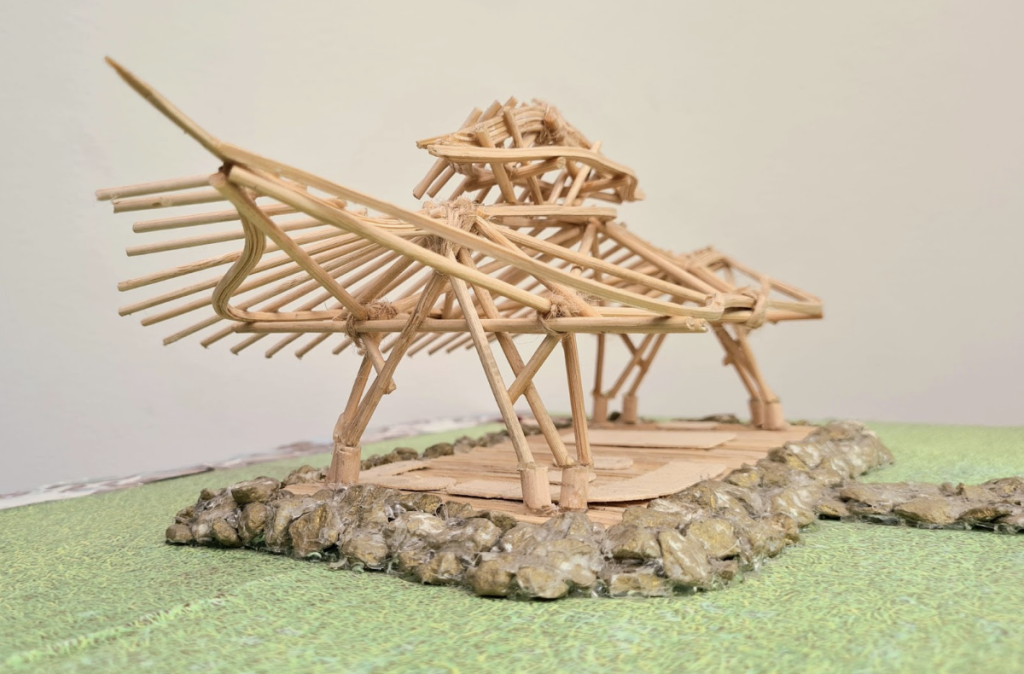
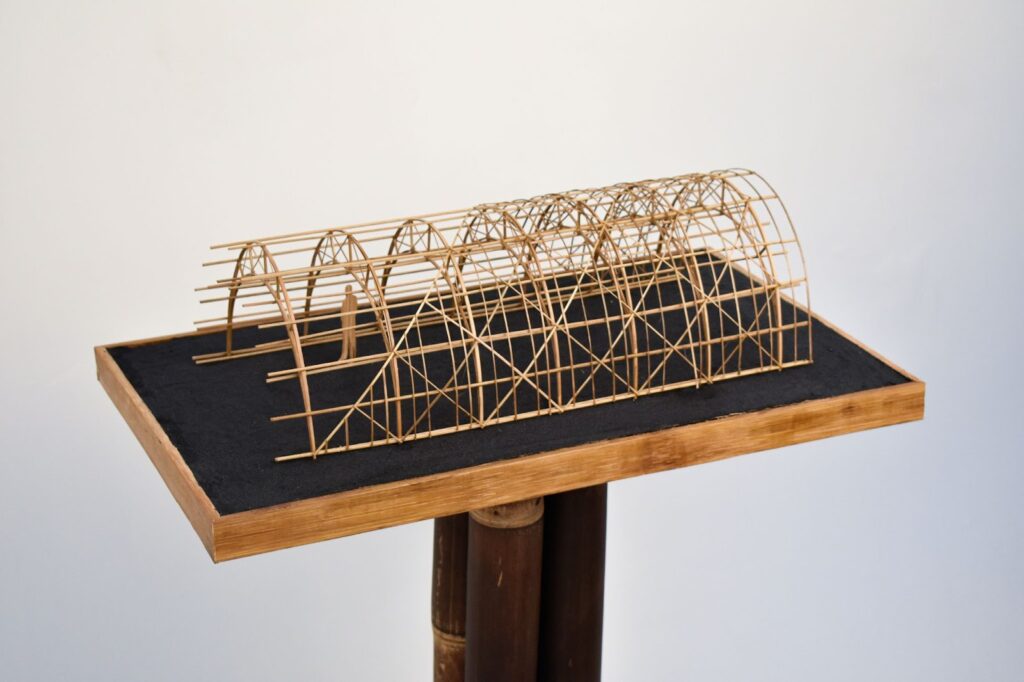
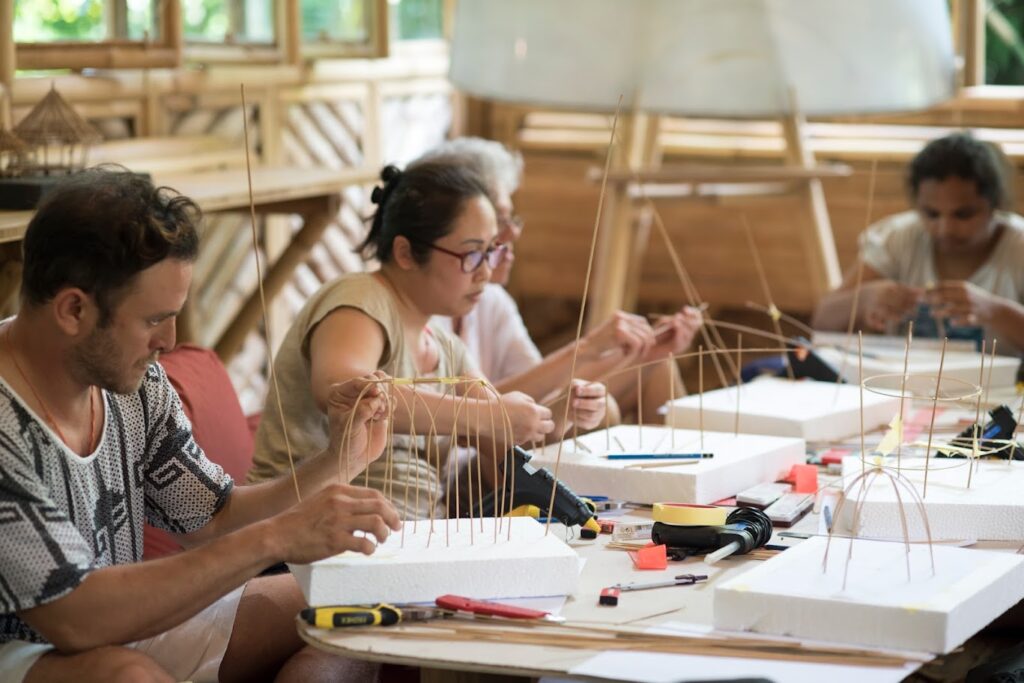

The 11-Day Build & Design Course
In collaboration with IBUKU
Immersed in the most beautiful and innovative bamboo environment. Meet the pioneers, the visionaries, the designers and builders who took this under-utilized material and transformed it into the most desired natural building material for bamboo structure design.
The Intro to Bamboo Engineering Online Course
Designed specially for structural engineers, this FREE online course has been created in collaboration with the Base Bahay Foundation, based in the Philippines.Join the course to learn how bamboo's innate properties make it a versatile building material, and how these properties can be maximized and applied in structural design.