7 Excellent Bamboo Species We Use the Most
By | June 7, 2019 | Exploring Bamboo -
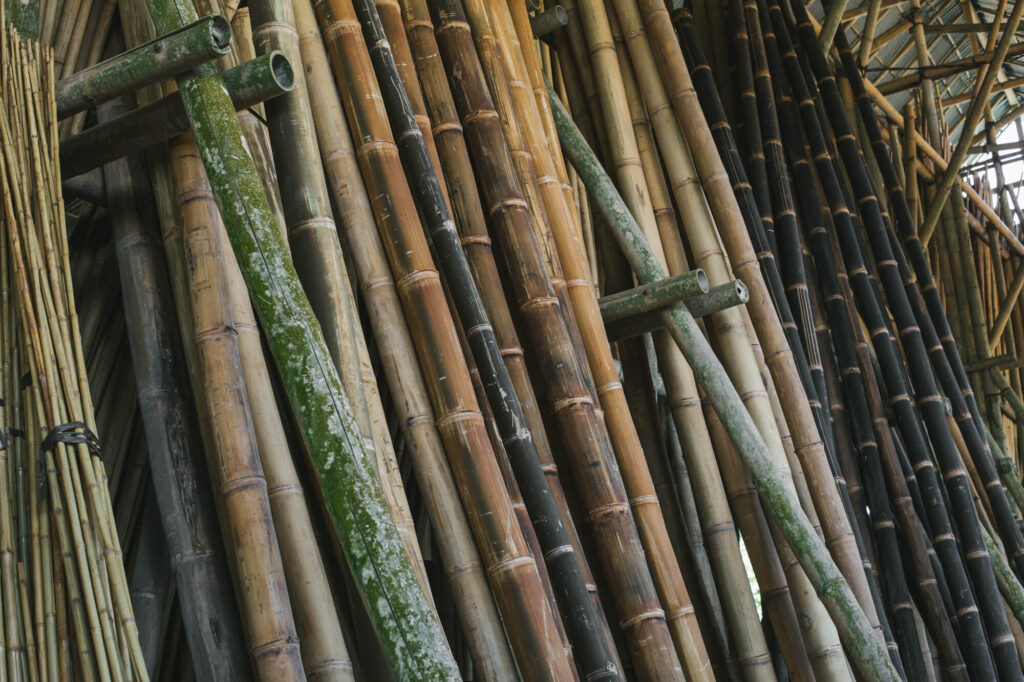
It may be hard to believe, but there are 1,400 documented species of bamboo on the planet! They are spread around the world, though about 900 (64%) of them naturally grow in Southeast Asia, including 145 specifically endemic to Indonesia.
Dendrocalamus Asper | Bambu Petung
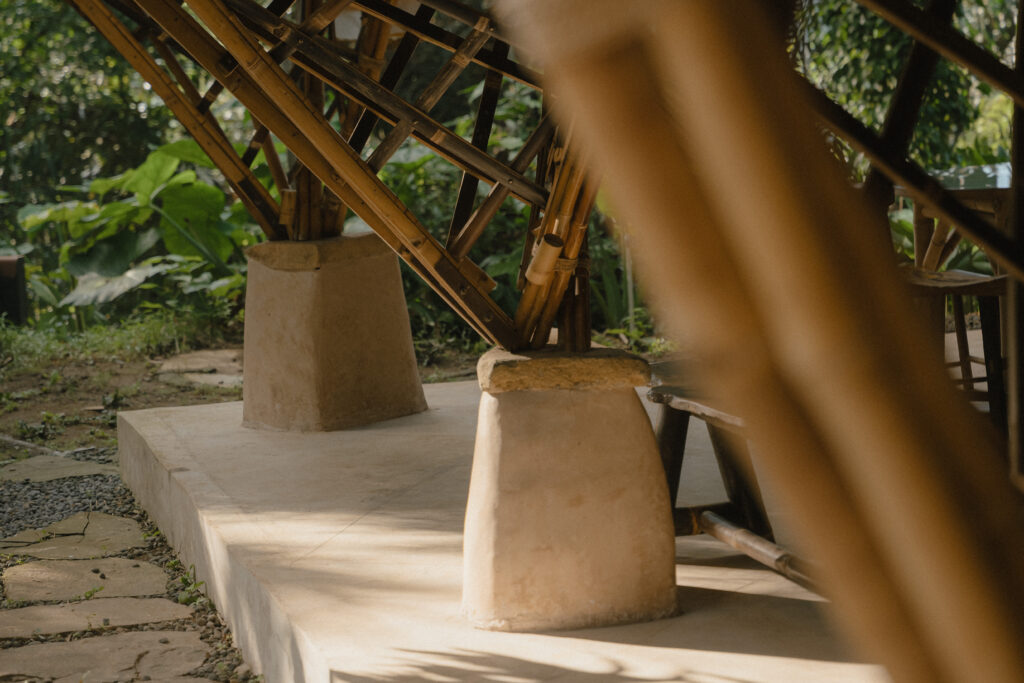
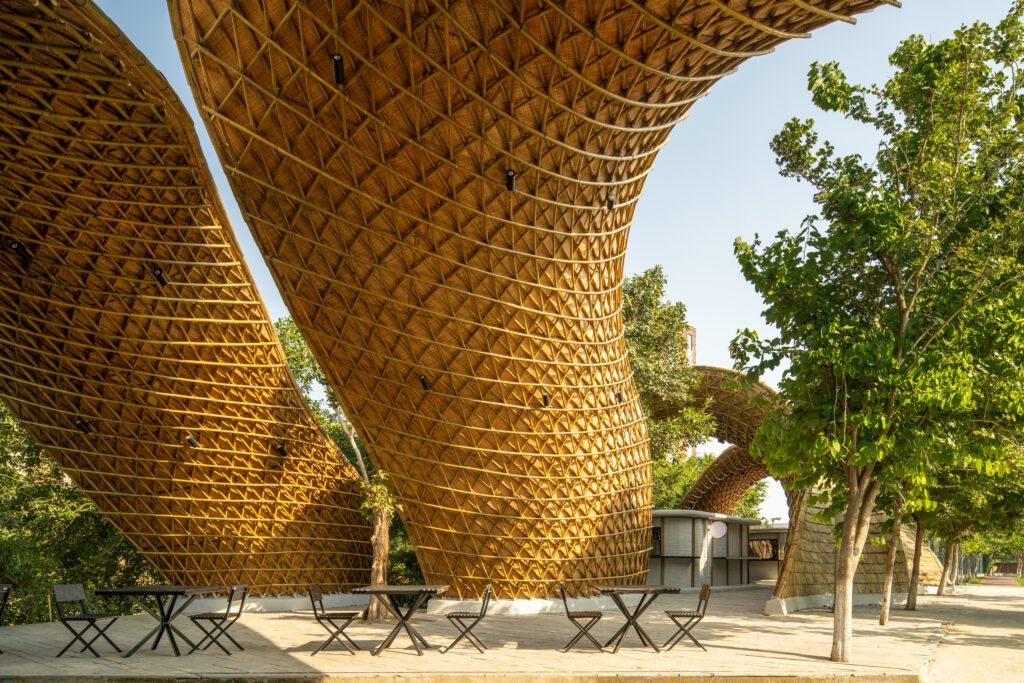
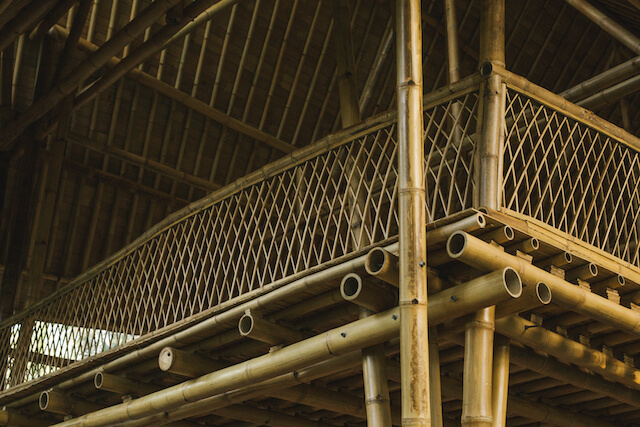
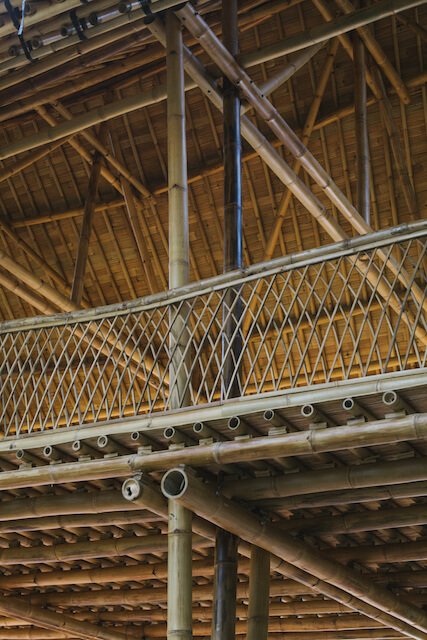
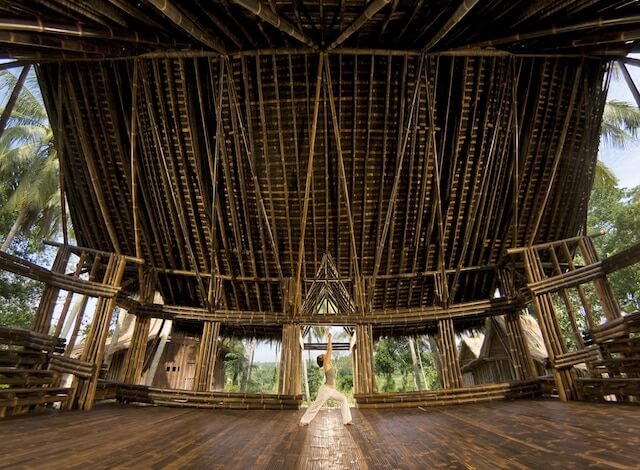
This is the biggest bamboo we use. Strong and dependable, it is used in most of our bamboo buildings. You can see structural and traditional use of Petung at our Bamboo Office.
Average heights: 15 -30 meters
Average diameters: 8 to 20 cm
Principle use: construction and food (the young shoots are considered delicious!)
Distinguishing features: the aerial roots- little hairs, just above the nodes.
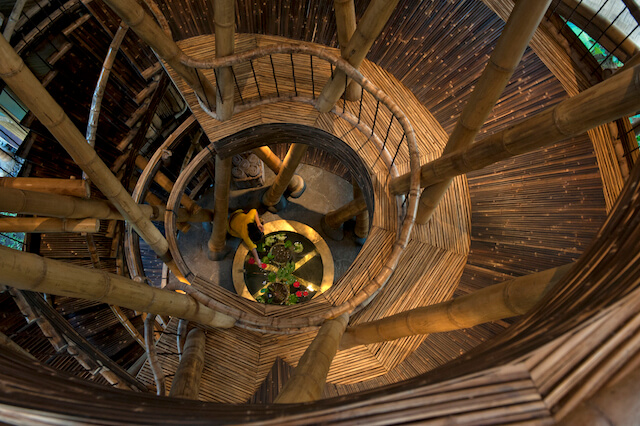
Dendrocalamus Asper Niger | Bambu Petung Hitam
Due to a genetic mutation, this is a naturally black tinted version of Bambu Petung. Though the poles exhibit less structural strength than their blonde counterparts, they are often used for their beauty. A great example of this species in use is: The Minang House at Bambu Indah.
Gigantochloa Apus | Bambu Tali
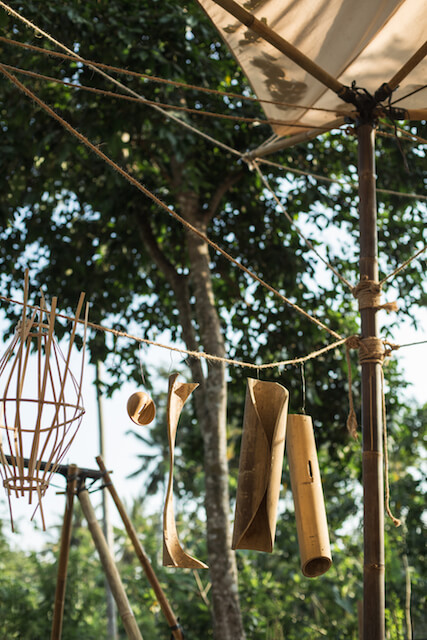
Gigantochloa Atroviolacea | Bambu Tali Hitam
This is the black tinted variant of Gigantochloa, very similar to Gigantachloa apus but slightly larger and extremely elegant
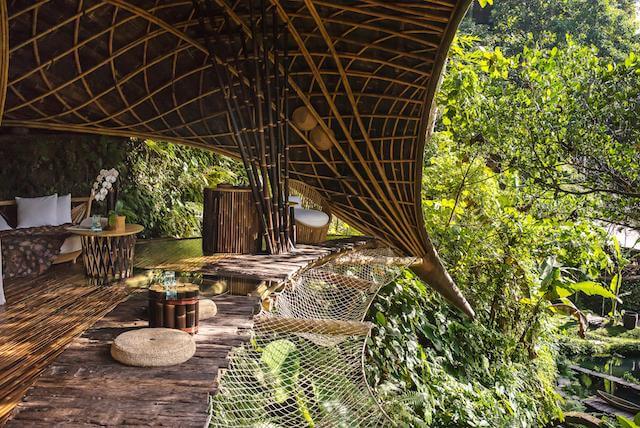
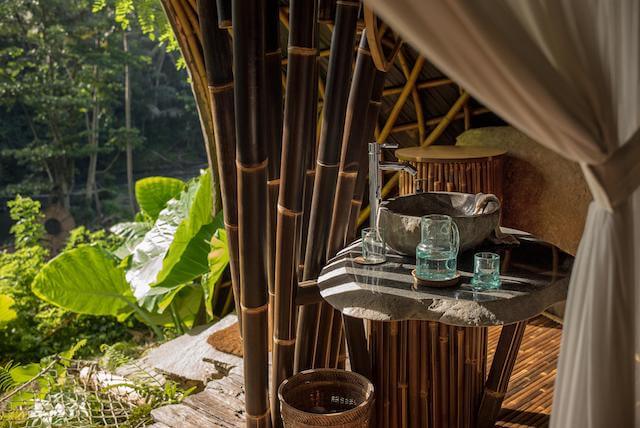
Bambusa Blumeana | Bambu Duri
This species is commonly known as Thorny Bamboo, as its shape is less straight and regular than others. In our designs, it not only serves us structurally but, it also becomes a beautiful aesthetic element.
Average heights: 20-30 meters
Average diameters: 10-18 cm
Principle use: construction and decoration.
Distinguishing features: its swollen nodes and unique shape.
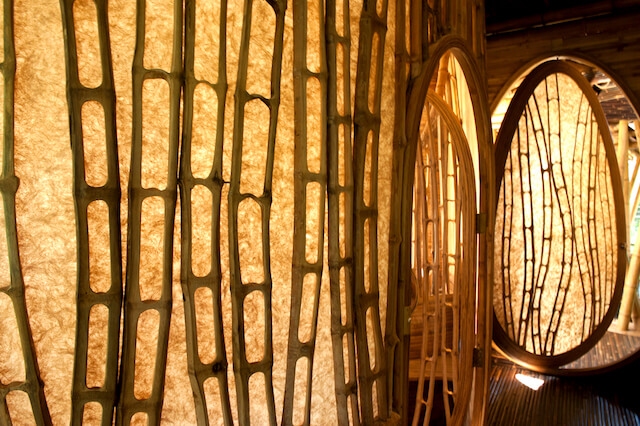
“Fishing Rod Bamboo” of the Pseudosasa Genus | Bambu Pancing
Pancing in Bahasa Indonesia means ‘to fish’, consciously highlighting the elemental characteristic of this bamboo species. In construction and design, it is particularly used for furniture or decorative purposes, such as covering cables or tubes living spaces.
Average heights: up to 6 meters
Average diameters: 10-18 cm
Principle use: construction and decoration.
Distinguishing features: bambu pancing is recognizable because it tapers starkly towards the end, exactly like a fishing rod would.
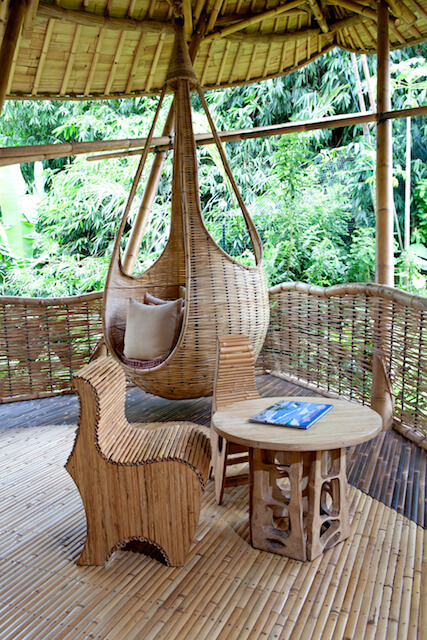
Bamboo’s diversity is complex but understanding this is a vital element of how it can become the variety of objects which make up our day-to-day life. We express this range in the designs we create and innovate around; it constitutes a core element of our workshops and our bamboo universe. With each course, we pass on knowledge that is founded in fostering each bamboo’s various characteristics and promoting their individual strengths. We find that awareness of differences marks the first step to a sustainable future. Join us at Bamboo U to learn more about how to grow, design and build with bamboo.
Join the 11-Day Bamboo Build and Design Course: hands-on building alongside experts, architects and makers from around the world. Explore the 11-Day Course

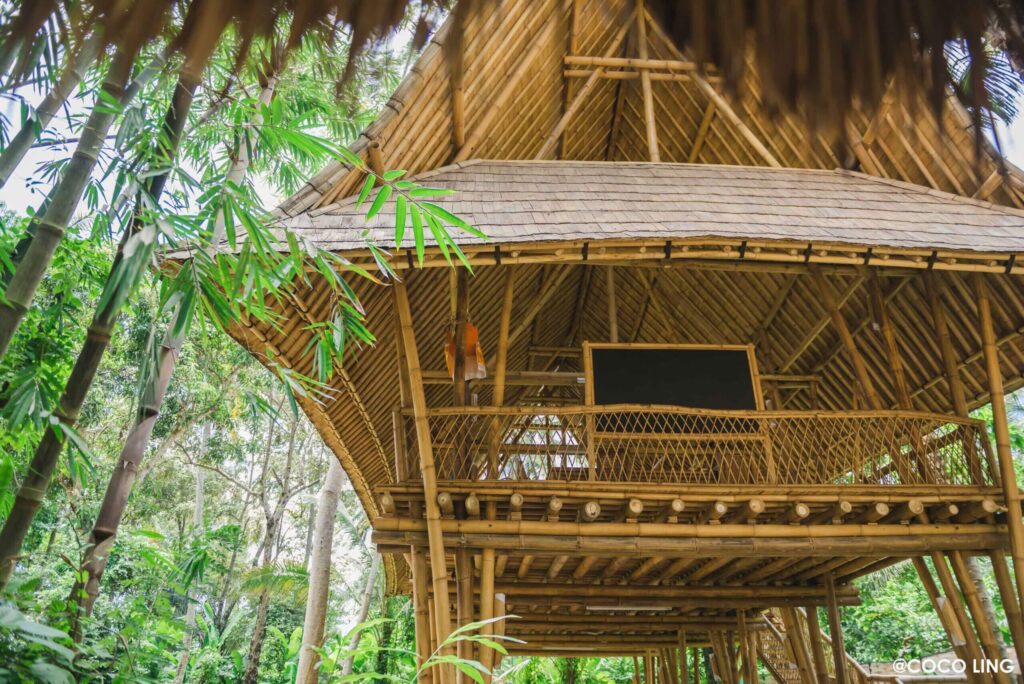

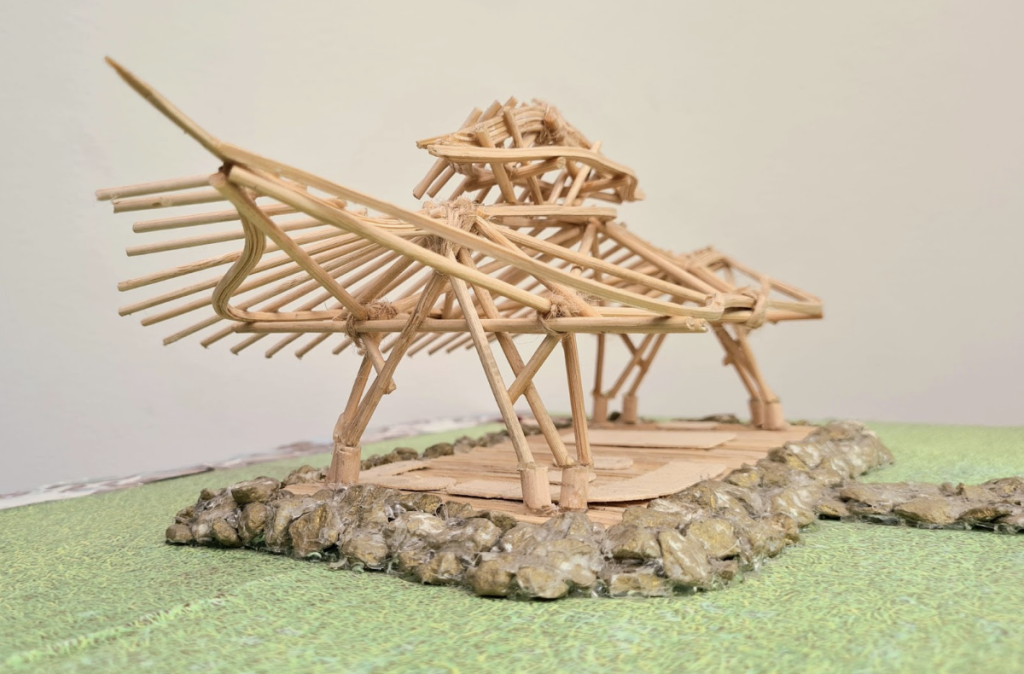
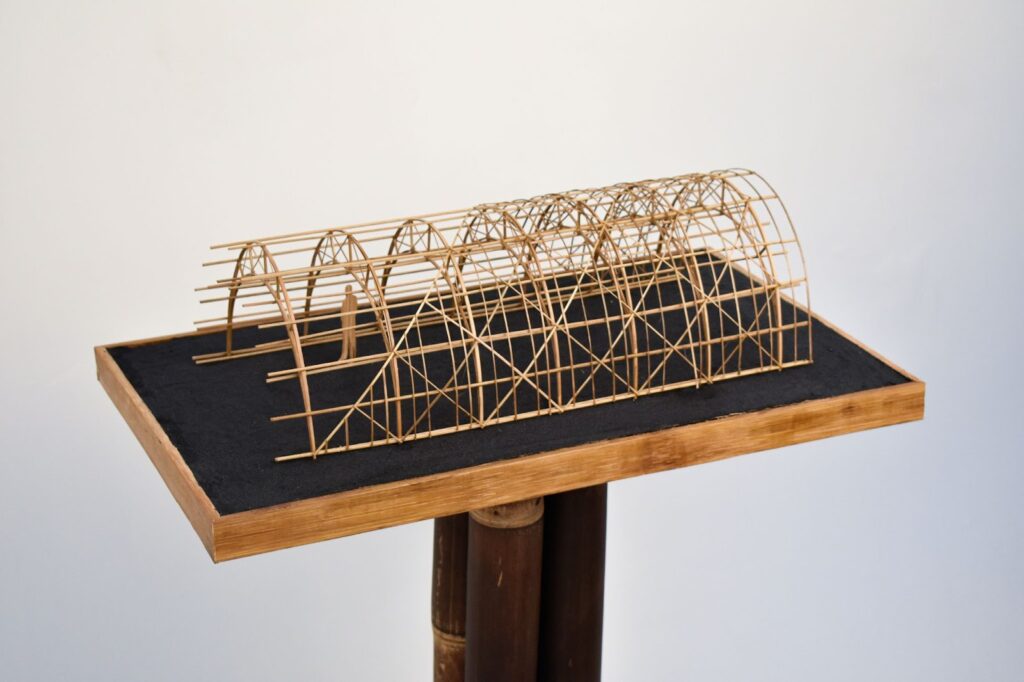
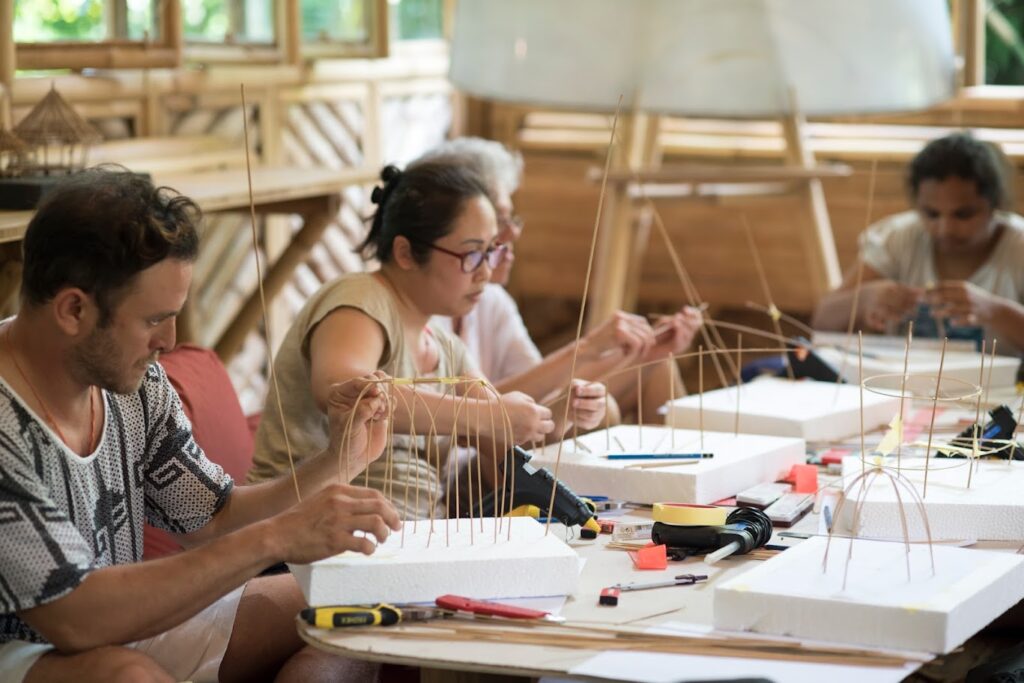
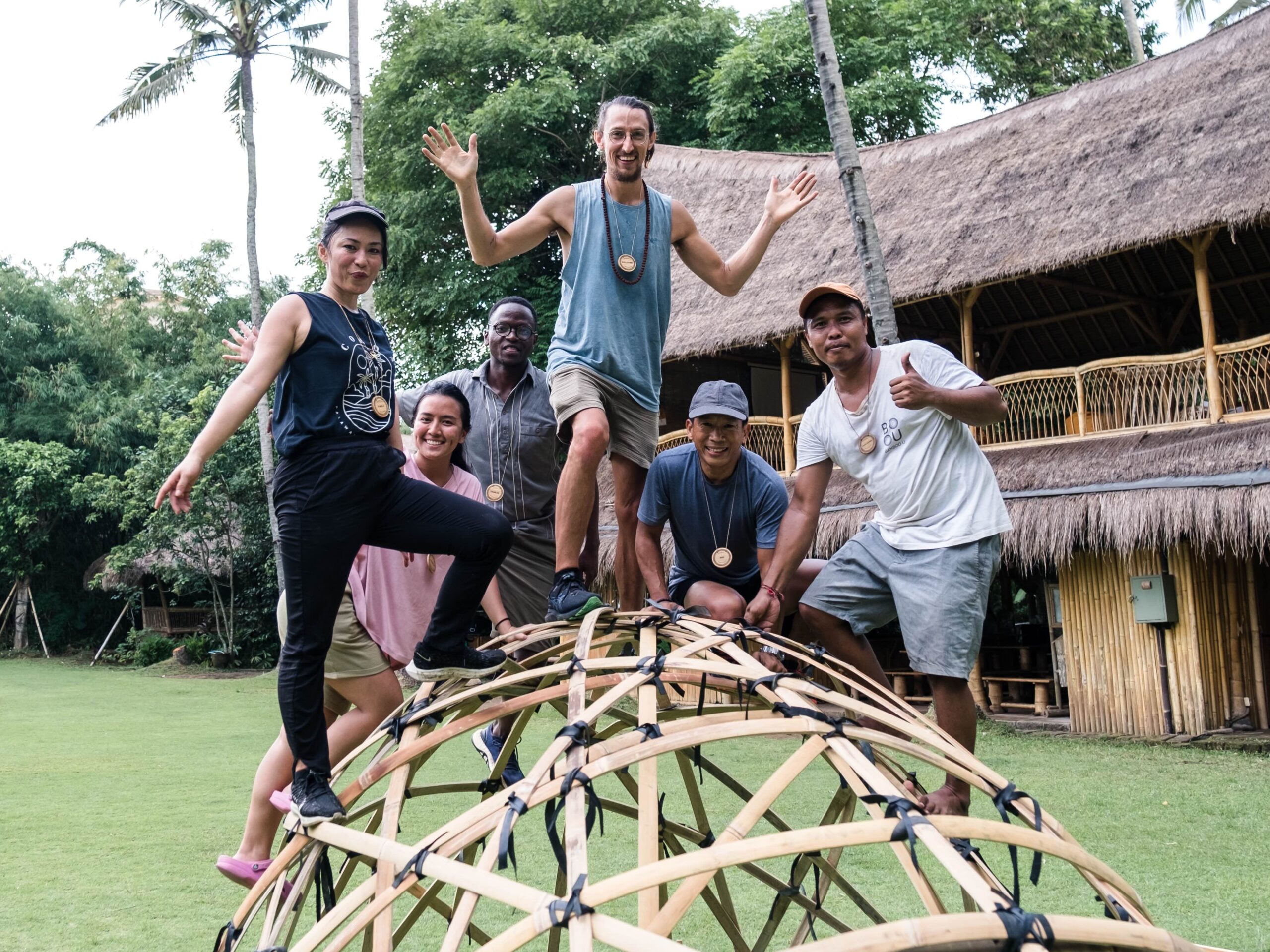
The 11-Day Build & Design Course
In collaboration with IBUKU
Immersed in the most beautiful and innovative bamboo environment. Meet the pioneers, the visionaries, the designers and builders who took this under-utilized material and transformed it into the most desired natural building material for bamboo structure design.
The Intro to Bamboo Engineering Online Course
Designed specially for structural engineers, this FREE online course has been created in collaboration with the Base Bahay Foundation, based in the Philippines.Join the course to learn how bamboo's innate properties make it a versatile building material, and how these properties can be maximized and applied in structural design.