Bamboo Durability: A Specialist’s Guide to Preservation
By | August 11, 2026 | Exploring Bamboo - Design -
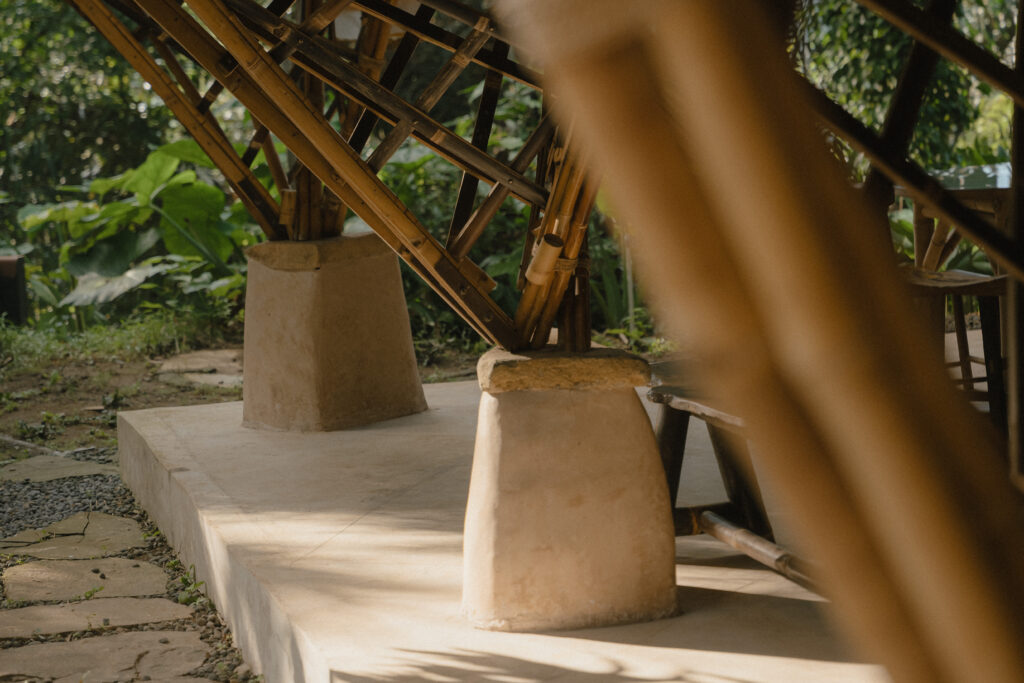
Good durability does not have to come at the expense of beautiful bamboo architecture. The two can go hand in hand. However, like any building material, bamboo must be used appropriately, with a clear understanding of both its strengths and its limitations.
My first experience working with bamboo was around 15 years ago. After being approached by an NGO in Central America that was keen to develop lower-carbon housing using local materials, I discovered the Latin American vernacular housing technology known as bahareque. This led me to explore several housing programmes where the traditional system had been refined, modernised, and made permanent.
I was eager to study these projects and understand how they had performed over time. Through a research grant, I travelled to Colombia to investigate the bamboo housing and buildings constructed following the 1999 Armenia earthquake, and to Costa Rica to learn from the National Bamboo Project of the 1990s.
Evaluating several hundred bamboo houses across Latin America gave me a firsthand understanding of the importance of durability. I saw how easily things can go wrong, but also how the challenges can be addressed through a few simple design and construction principles. Speaking with low-income communities living in these homes also reinforced an important lesson: we cannot assume that residents have the financial means to carry out ongoing maintenance. That is why I am passionate about ensuring that, when we work in international development contexts, we provide durable homes and community buildings from the outset.
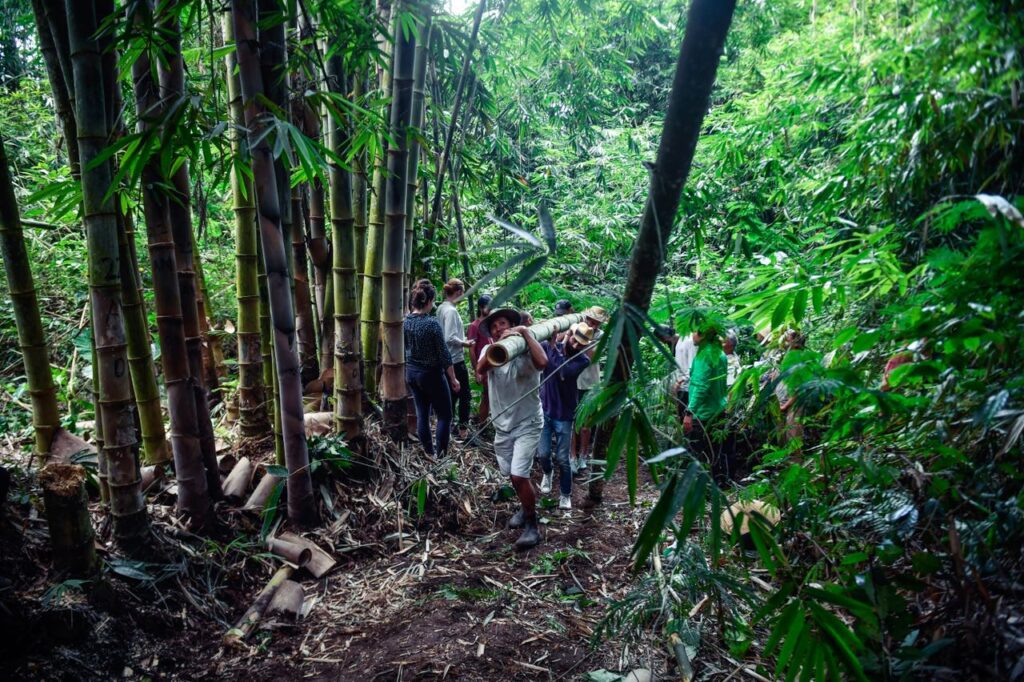
Durability is often one of the first concerns raised when bamboo is proposed for structural use. This concern is understandable. Bamboo is a biological material and, unlike steel, concrete or masonry, it can be vulnerable to insects and fungi if it is not properly protected.
However, bamboo’s limited natural resistance to biological attack should not be confused with a lack of durability in bamboo buildings. Around the world, well-designed bamboo structures have survived for decades and, in some cases, more than a century, through a combination of preservation treatment and good design.
When these principles are followed, bamboo structures can last as long as conventional building materials. Durable bamboo buildings are not just safer. Over their full life cycle, they can also be more economical and have a lower embodied carbon footprint.
This article explains what we currently know about bamboo durability, and the most effective methods we can use to protect it.
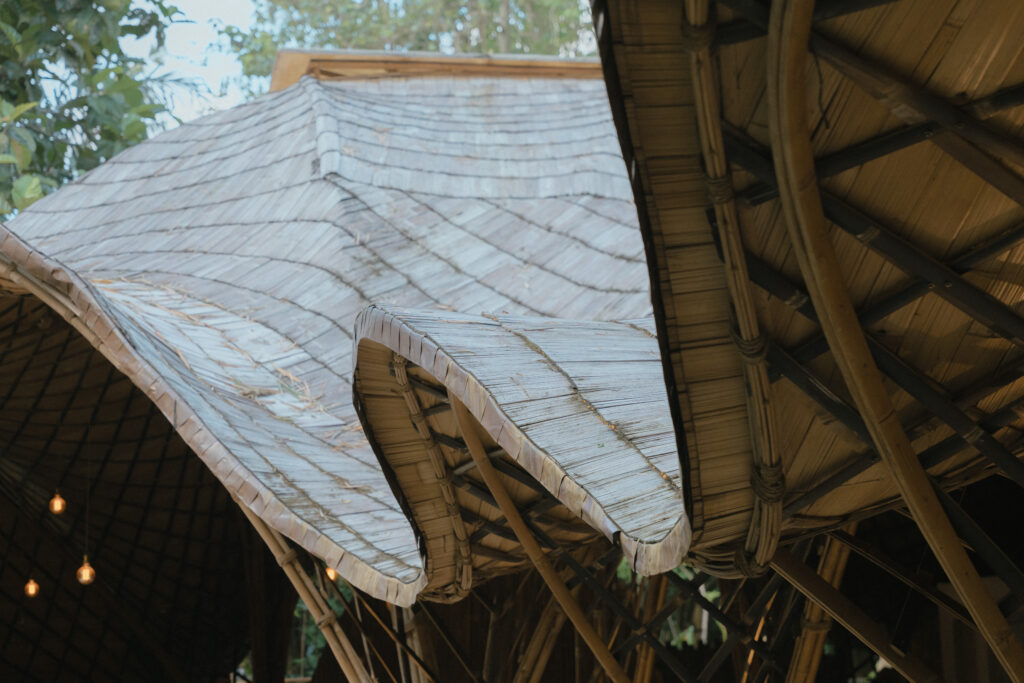
So how long do we want our bamboo buildings to last? To answer that, we need to introduce the idea of design life.
Design life is the minimum expected lifespan of a building. During this time, the building is expected to perform with only routine maintenance and without requiring major structural repairs. Routine maintenance might include things like facade repair, fixing water leaks, painting and replastering, but would not normally include replacing primary structural elements.
The internationally recognised minimum design life for permanent buildings is typically 50 years, and bamboo does not need to be an exception. This principle is reflected in ISO 22156.
This does not literally mean that a bamboo building will last only 50 years. It simply means that we have confidence it will perform for at least that period.
The exception may be temporary structures, art installations, emergency shelters, transitional housing programmes, or vernacular building systems that communities are already accustomed to maintaining and periodically rebuilding.
Having established the design life target, the next question is: what causes bamboo to deteriorate?

There are three main causes of biological deterioration in bamboo: fungal attack (rot), insects (primarily beetle and termite attack) and marine borers.
Fungal attack occurs when bamboo is exposed to moisture, such as rain, condensation or dampness, and can occur worldwide. Beetles are attracted by the starch in bamboo and are found in warm climates worldwide. Termites can attack both the starch and cellulose, are found on all continents, and prefer warmer, wetter climates. Marine borers live in most salt-water environments.
Repeated wetting and drying is not strictly an attack mechanism, but can lead to splitting, weakening the culm and structural connections and allowing more water to enter.
Finally, exposure to ultra-violet radiation (UVR) can weaken the tough, waxy outer layer of bamboo (the cortex), reducing its water-repellent characteristics.
So how can we make durable bamboo structures?
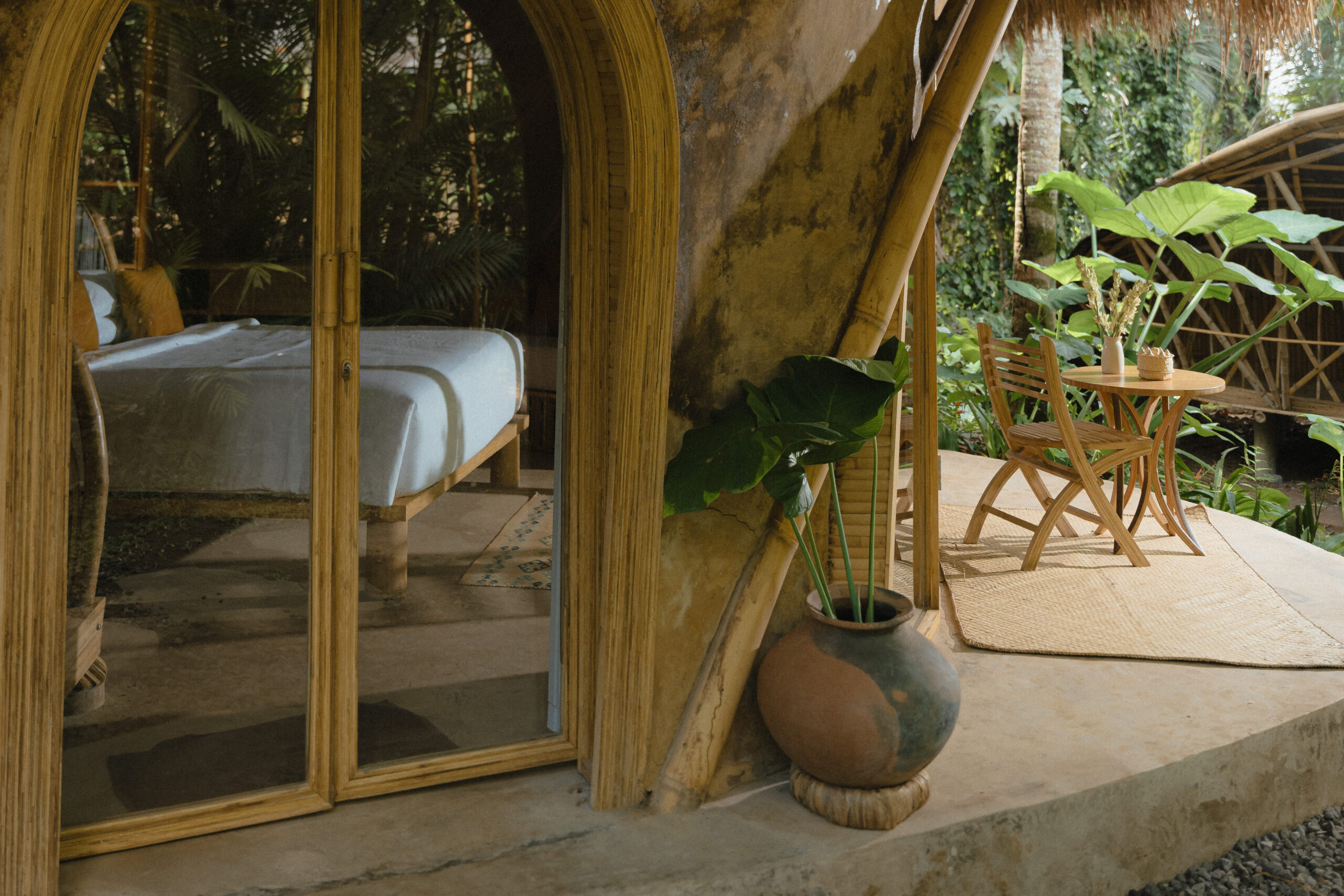
Many approaches have been proposed to improve bamboo durability. These can be grouped into twelve categories:
- Using more naturally durable species
- Selecting mature bamboo
- Harvesting at appropriate times
- Traditional methods of reducing sugar content
- Smoke or fire treatment
- Other traditional preservation methods
- Surface coatings
- Seasoning (drying)
- Boron-based preservative treatments
- Chemically-fixed preservative treatments
- Other modern preservatives, including bio-based alternatives
- Durability by design
1. Using more naturally durable species
Unfortunately, unlike some species of timber, bamboo does not have naturally-occurring toxins that provide protection against biological attack. It also tends to have high levels of starch. As a result, bamboo is considered very susceptible to beetles, termites and marine borers.
Although some variation exists between species, these differences are generally small compared with the effect of preservation treatment and good design. For design purposes, all bamboo species should therefore be assumed to have broadly similar durability characteristics.
2. Selecting mature bamboo
Bamboo should be harvested when it is mature, as this is when it is strongest and most durable.
3. Harvesting at appropriate times
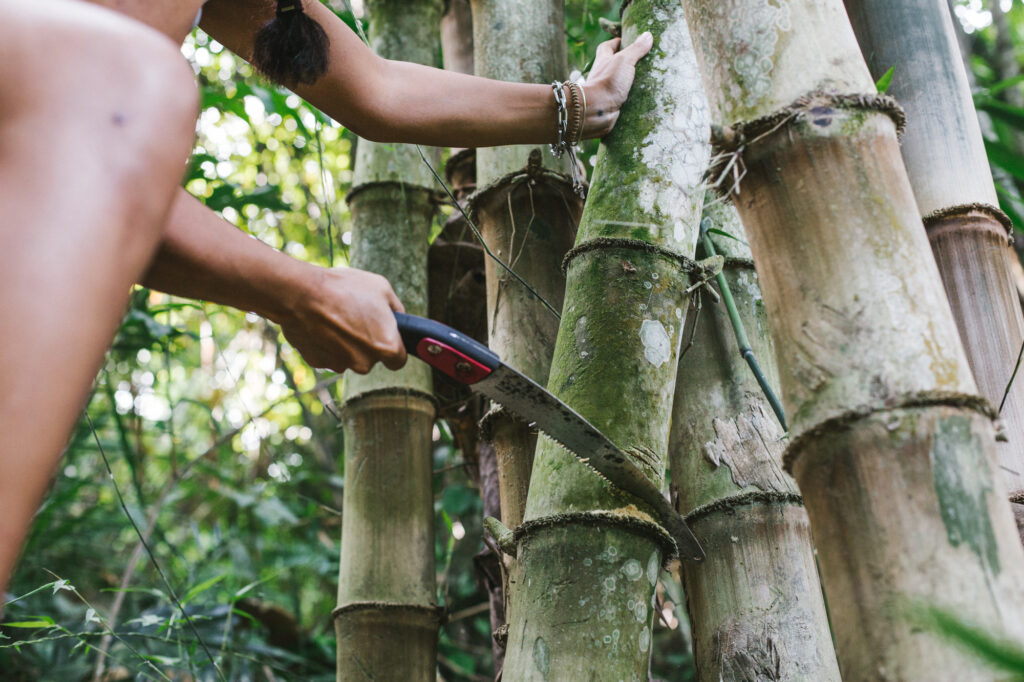
Bamboo should be harvested at appropriate times of the year, following local practice, when its starch and water content are lowest and to avoid damaging the clump. In some countries, bamboo is harvested at very specific times of the month or day. Although starch content may vary over these periods, the effect on durability is likely to be small.
Related: The Ultimate Guide to Sustainable Bamboo Harvesting
4. Traditional methods of reducing sugar content
A number of traditional methods aim to reduce the sugar content of bamboo, such as soaking in fresh or salt water and clump curing. These can reduce the risk of beetle attack, but provide little protection against termites or fungal decay.
5. Smoke or fire treatment
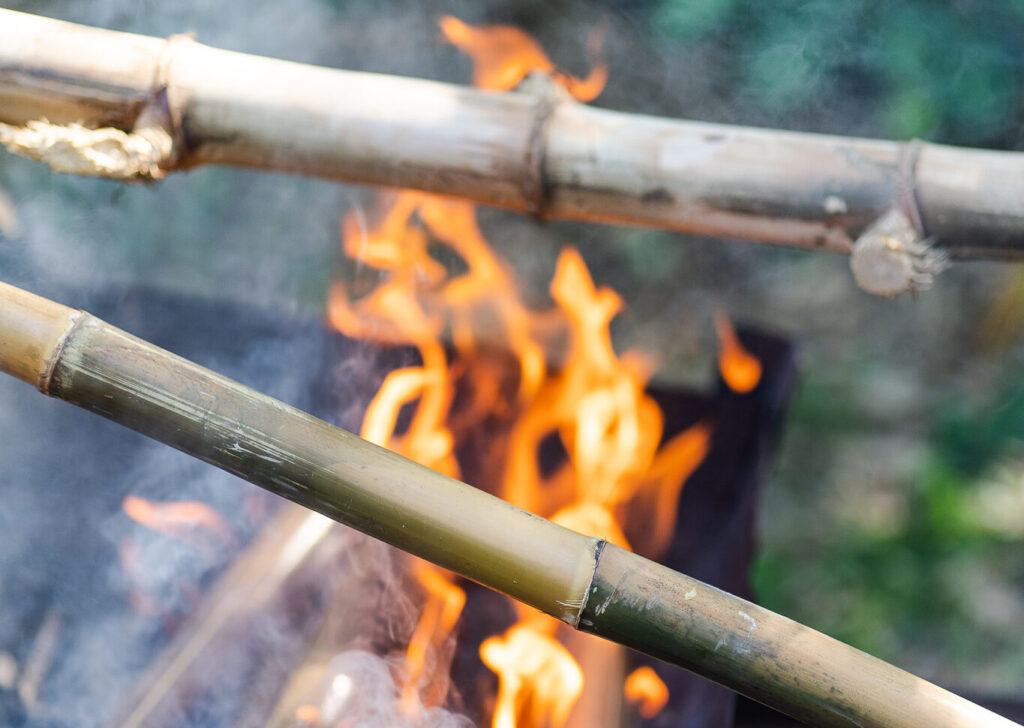
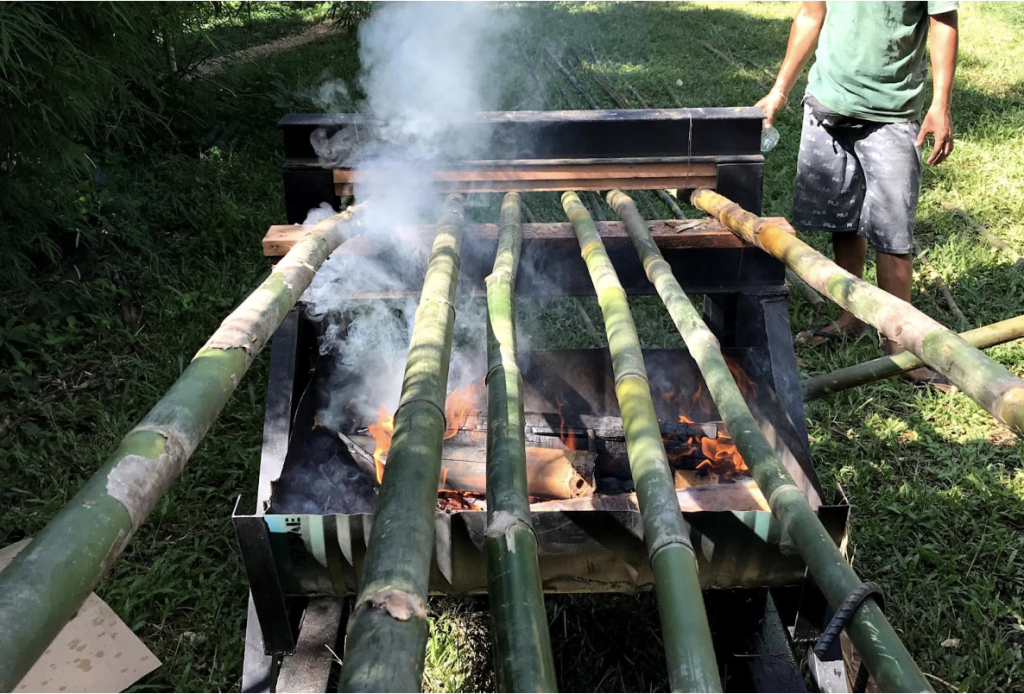
This method involves exposing bamboo to fire or smoke for a period of time. Although this may kill living insects inside the bamboo and provides a thin layer of outer protection, the inner part is left unprotected, and the heat can damage and weaken the bamboo fibres.
6. Other traditional methods
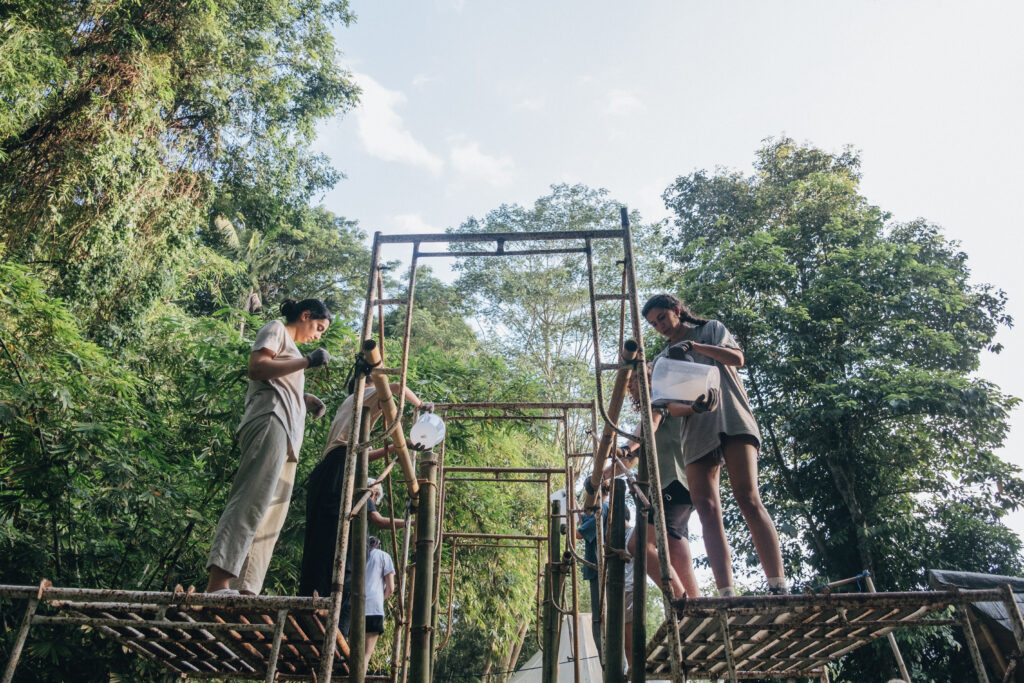
Other traditional methods exist that may anecdotally provide some protection. However, these tend to have limited or unproven efficacy, certainly scientifically, and some can be dangerous to humans.
Related: Vernacular Methods of Treating Bamboo You Should Know
7. Surface coatings
Surface coatings such as paint, varnish, coal tar, bitumen and used engine oil can reduce the amount of moisture absorbed, or provide a thin outer toxic barrier. However, they only partly protect the outside of the bamboo and are largely ineffective against insect and fungal attack on the inside. They should be viewed as supplementary protection rather than a complete preservation strategy. Many also carry other disadvantages, such as toxicity to humans or the need for frequent reapplication.
8. Seasoning (drying)
Seasoning of bamboo involves reducing its water content until it is in equilibrium with the surrounding air. Seasoning reduces the risk of insect and rot attack, increases strength and significantly reduces the risk of splitting in service. It should be considered a must for all bamboo, regardless of the chemical treatments used.
9. Modern chemical treatments: boron-based
Boron-based preservatives are relatively cost-effective, low-tech, widely available, low in toxicity and highly effective against both termites and beetles. They are also effective against fungal attack. However, because they are readily soluble in water, they are easily leached out by water or even driving rain, and can therefore only be used effectively where the bamboo is completely protected. Boron is the most common method of treating bamboo internationally.
10. Modern chemical treatments: chemically fixed
Chemically-fixed treatments are those that bond into the bamboo so that they do not wash out as easily as boron when exposed to water. The most common safe treatments of this type are copper-organic based preservatives, such as copper azole, and they can be very effective against insects and rot. Because of their higher cost, they are not currently widely used with bamboo.
11. Modern chemical treatments: others
There are many other modern preservatives, such as copper sulphate, copper-chrome arsenic (CCA), creosote, dursban and sodium pentachlorophenate. While some can be effective, most are either expensive, complex to apply or carry significant health risks during application and at end of life. As such, many are now illegal in many countries, or only permitted for heavy industry, and certainly not for homes or community infrastructure.
There are also modern bio-based or sustainable methods that anecdotally provide some protection. To date, however, these tend to have limited or unproven efficacy, and some can be dangerous to humans.
Related: How to Treat Bamboo in Your Backyard
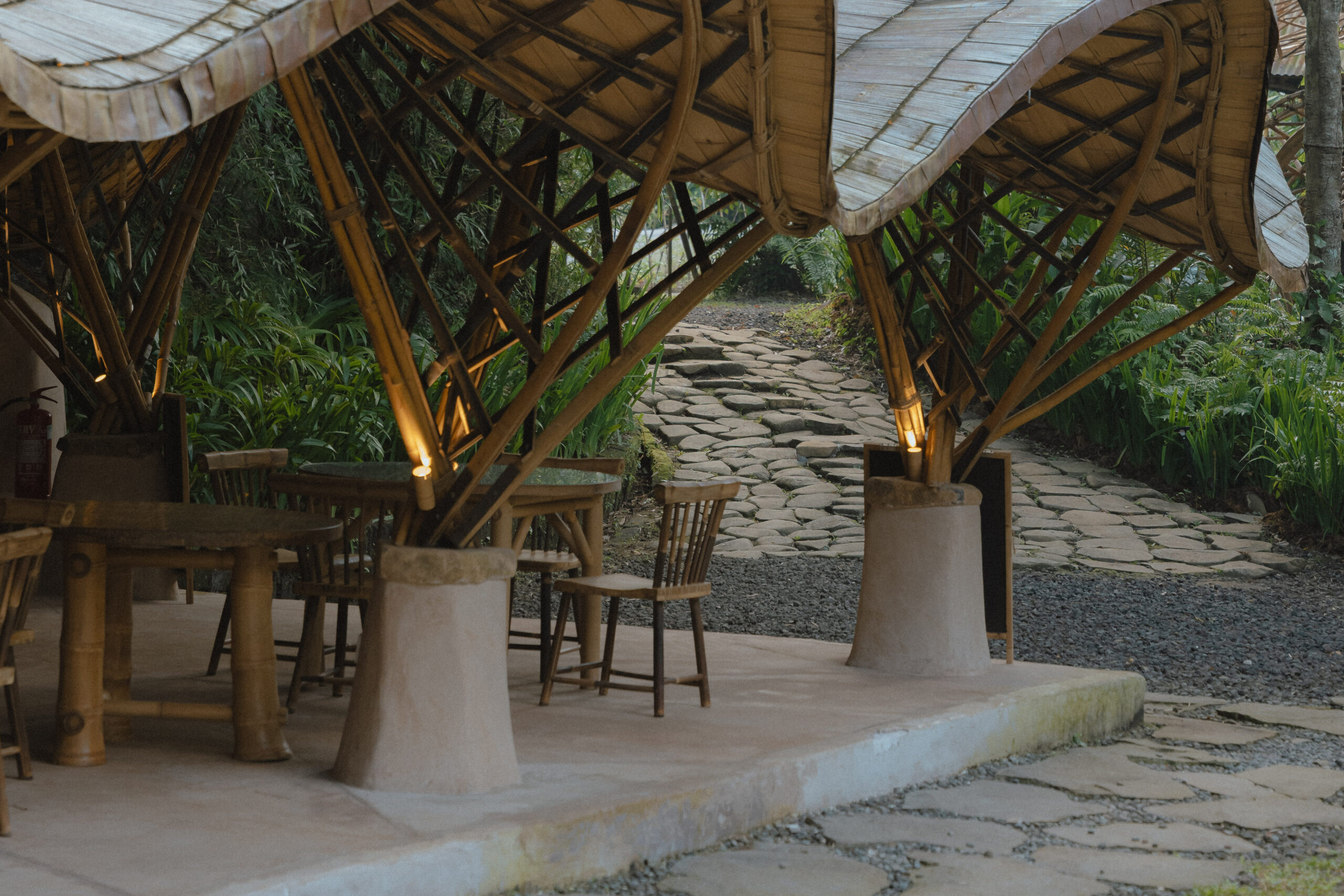
The most effective way to reduce deterioration is to eliminate the conditions that allow it to occur in the first place. This is known as durability by design, and all bamboo designs should specify some form of it. Durability by design involves:
- Keeping the bamboo dry
- Allowing the bamboo to breathe
- Disrupting subterranean insect paths
Keeping the bamboo dry
All fungal growth and many bamboo-destroying insects require a bamboo moisture content greater than 20 percent. Keeping the moisture content below this value significantly reduces the risk of attack.
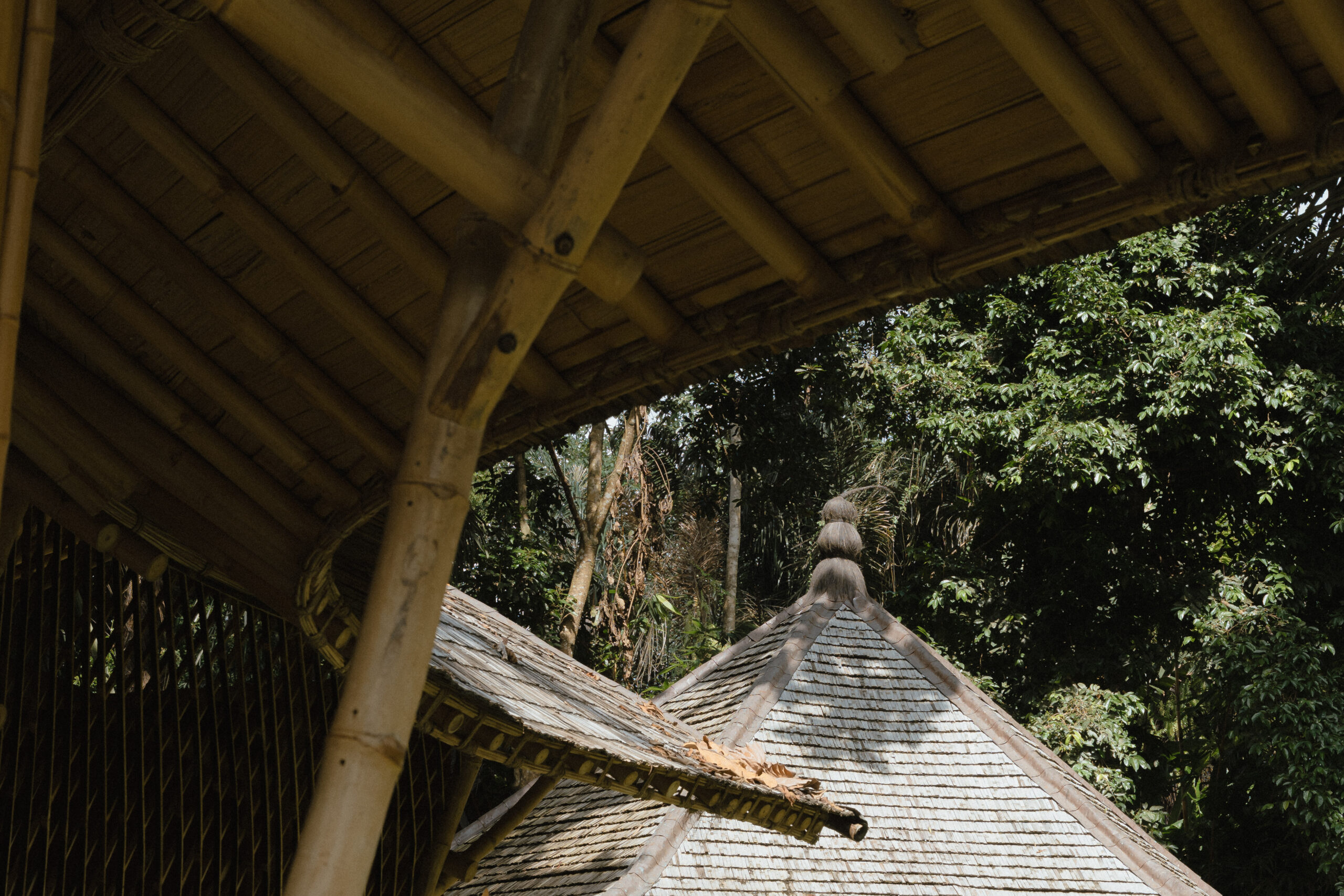
Sources of water include rain, flooding, condensation and moisture in the ground. Rain does not only fall vertically, so treat any exposed bamboo that falls outside a 45-degree line from the edge of the roof overhang as vulnerable. Driving rain can also splash off a hard surface around a structure and dampen the lower parts of walls. Keeping all bamboo within the weather line, and separating ground-floor columns and walls from the foundations with damp-proof membranes, is the most effective approach. Externally exposed bamboo must be avoided, and the hazard can be reduced by:
- Providing protection in the form of a roof overhang or veranda
- Using sacrificial facades
- Elevating the columns from the ground
- Detailing elements, connections and interfaces to shed water and avoid water traps or exposed culm ends, particularly on horizontal beams, at connections and at the bases of columns
By following these rules, damage from cyclic sun and rain, and from UV, can also be mitigated.
Provide good ventilation, or let the bamboo breathe
Moisture can enter buildings through leaks, extreme weather or the use of unseasoned bamboo. Bamboo should ideally always be allowed to breathe inside the waterproof envelope, even where there is no obvious risk of water. Flat roofs are particularly vulnerable to undetected leaks in waterproofing membranes and should ideally contain a ventilation cavity so that any water penetration can evaporate. Bamboo should never be cast into concrete, which is hygroscopic, meaning it absorbs nearby water and creates perfect conditions for rot.
Disrupting subterranean insect paths
Keeping bamboo within the weather envelope and raised off the ground deters many subterranean insects and makes their pathways easier to identify. In some countries, additional barrier membranes are used in the foundations to prevent termite attack, as termites can pass through cracks in concrete as small as 0.8 mm.
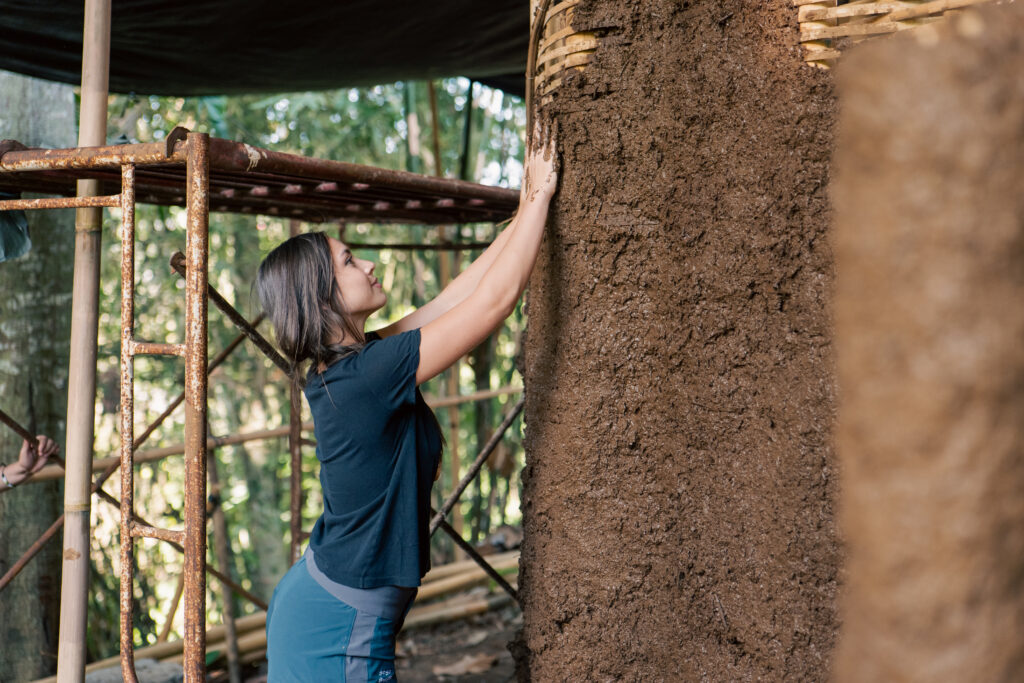
Well-designed composite bamboo shear wall (CBSW) housing demonstrates many of the durability principles discussed throughout this article. Traditional bahareque buildings have achieved service lives exceeding 100 years when properly detailed and maintained, and modern CBSW systems can similarly achieve a 50-year design life.
Like any natural material, bamboo is vulnerable to biological attack. However, we can confidently design beautiful, permanent, modern bamboo buildings with design lives comparable to conventional construction materials.
The five proven key methods of providing long-term durable bamboo are:
- Select mature bamboo
- Harvest at appropriate times
- Adequately season the bamboo
- Apply an appropriate preservative treatment
- Incorporate durability by design
In addition, always provide adequate corrosion protection to metal structural elements.
No single method is sufficient on its own, and long-term durability generally depends on applying all of these measures together.
Boron is generally considered the most appropriate chemical to treat bamboo with, and works very well in conjunction with durability by design. Unfortunately, there are currently no known safe chemicals that can reliably protect bamboo when it is continuously exposed to rain or standing water.
In summary, many concerns about bamboo durability arise from the use of untreated material or poor detailing, rather than any inherent limitation of bamboo itself. When mature bamboo is properly seasoned, treated, protected from moisture and detailed correctly, it can provide a durable, low-carbon and economically attractive solution for permanent construction.
International Standards Organization (2021) ISO 22156:2021: Bamboo structures – Bamboo culms – Structural design. ISO, Geneva, Switzerland.
Kaminski, S., Lawrence, A., Trujillo, D. & King, C. (2016) Technical Note Series: Structural use of bamboo – Part 2: Durability and Preservation. In: The Structural Engineer, 94 (10), pp. 38-43.
Kaminski, S. (2018) Arup technical guidance note 03: Durability and treatment of bamboo: Rohingya refugee camps, Cox’s Bazar, Bangladesh. Arup, London.
Kaminski S, Harries K, Lopez L, Trujillo D, Archila H (2022) Durability of whole culm bamboo: facts, misconceptions and the new ISO 22156 framework. In: Proceedings of the international conference on non-conventional materials and technologies (NOCMAT). https://doi.org/10.5281/zenodo.6575090.
Kaminski, S., Amaral, L., Molari, L., Pradhan, N., Cardoso, D., Talakokula. V., van de Vegte, A. (2026) Durability and Preservation of Bamboo. In: K. Harries & L. Molari (Eds) Material Characterisation and Performance of Bamboo: State-of-the-Art Report of the RILEM Technical Committee 322-MCB (pp. 57-105). Springer, Cham, Switzerland.
Liese W, Gutiérrez J, González G, Kumar A, Rao IVR, Sastry C (2002) Preservation of bamboo for the construction of houses for low-income people. In: Proceedings of the V international bamboo congress, pp. 481-494.
Liese W, Kumar S (2003) INBAR Technical Report 22: Bamboo Preservation Compendium. INBAR, Beijing, China.
Trujillo D, Harries K, Kaminski S, Lopez L-F (2025) Manual for the design of bamboo structures to ISO 22156:2021. Institution of Structural Engineers, London, UK.
Learn to design and build with bamboo in Bali.
Join the 11-Day Bamboo Build and Design Course: hands-on building alongside experts, architects and makers from around the world.
Explore the 11-Day CoursePrefer to start online?
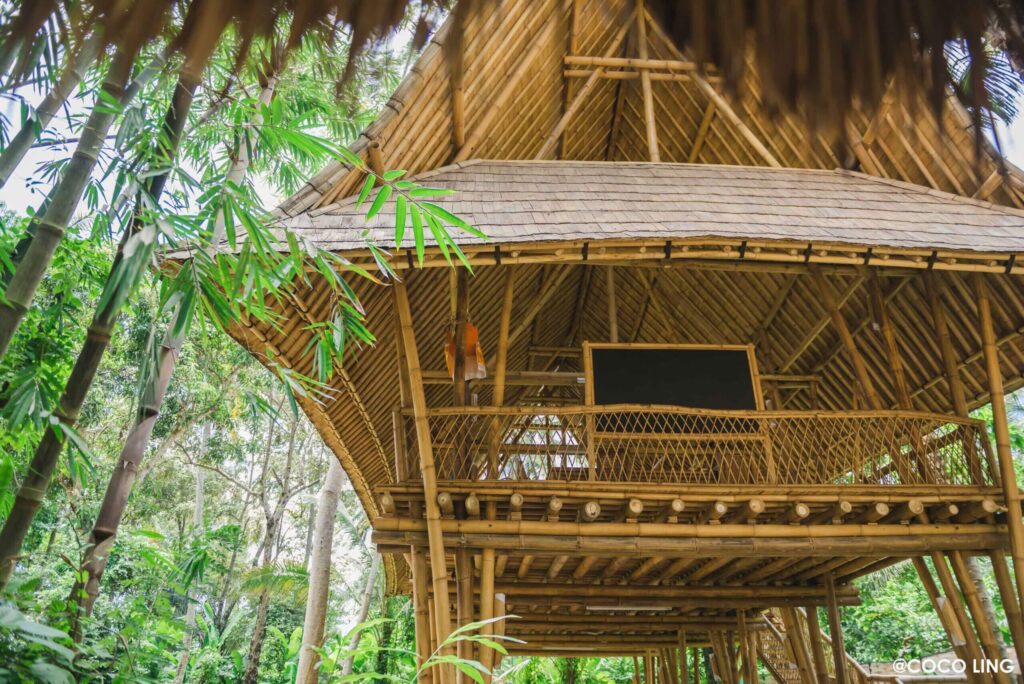
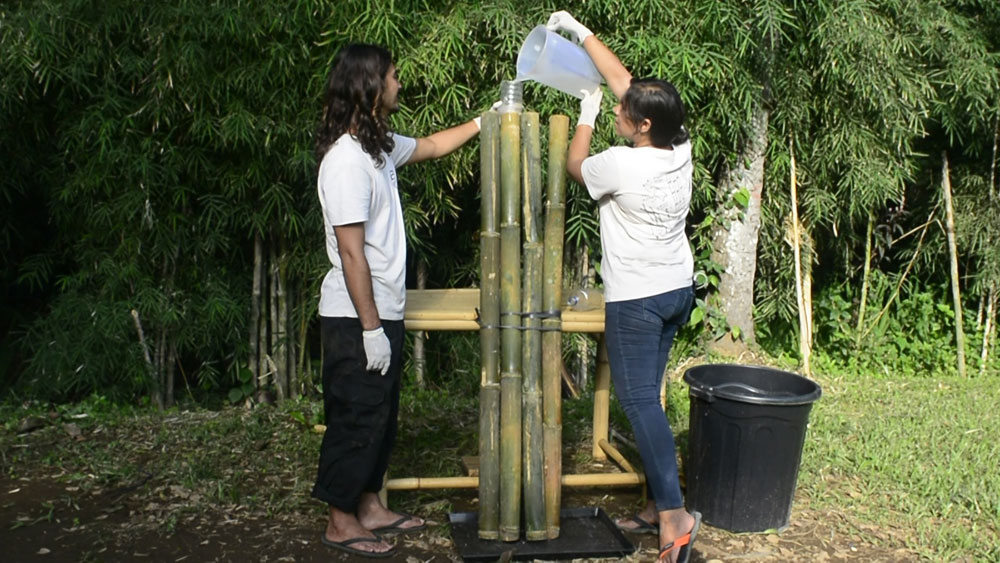



The 11-Day Build & Design Course
In collaboration with IBUKU
Immersed in the most beautiful and innovative bamboo environment. Meet the pioneers, the visionaries, the designers and builders who took this under-utilized material and transformed it into the most desired natural building material for bamboo structure design.
The Intro to Bamboo Engineering Online Course
Designed specially for structural engineers, this FREE online course has been created in collaboration with the Base Bahay Foundation, based in the Philippines.Join the course to learn how bamboo's innate properties make it a versatile building material, and how these properties can be maximized and applied in structural design.