Why Australia Should Get Ready for Bamboo
By | July 28, 2026 | Exploring Bamboo - Design -
Mention bamboo to most people in the construction industry in Australia, and you'll get one of two reactions: a shrug, or the assumption it's a decorative material for beach huts and garden fences.
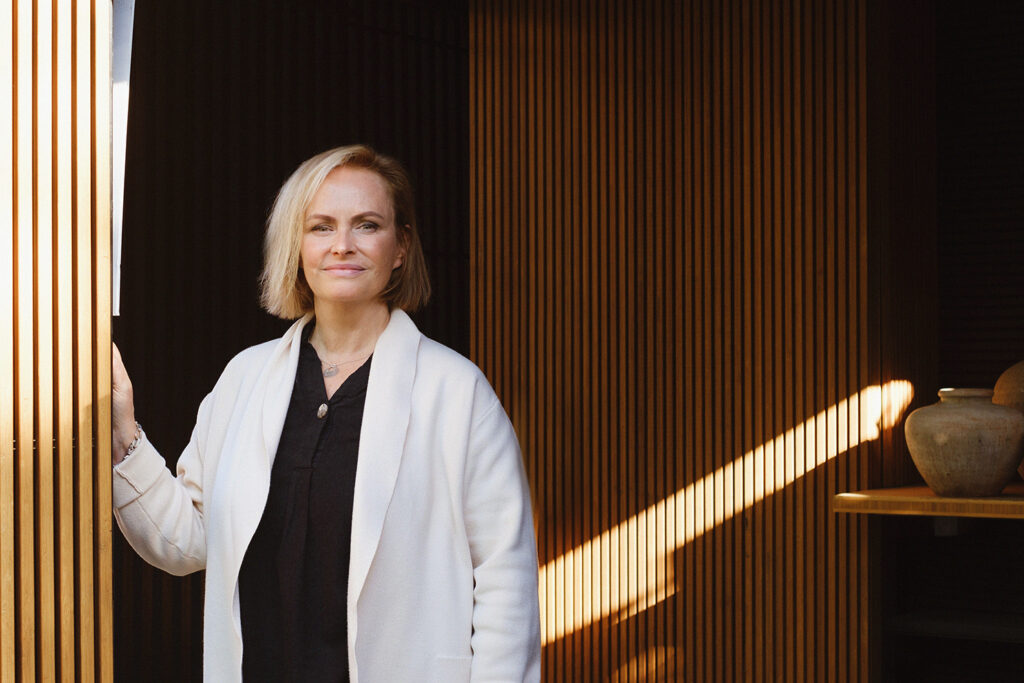
Jennifer Snyders has heard both, for most of her career. As president of the Bamboo Society of Australia and head of House of Bamboo, she’s spent years trying to convince architects, engineers, and builders that bamboo deserves a serious place in the built environment. “Did I understand the journey was going to be as hard? No, I had no idea,” she says. “Most people think if you talk about bamboo, you’re a hippie.”
But globally something is starting to shift. As of last year, structural engineers now have a formal manual for designing permanent bamboo buildings, aligned with the international ISO standard for bamboo structures. Its publication signals a turning point in the perception of bamboo worldwide, with the Institution of Structural Engineers calling for architects to get “bamboo-ready.”
Australia is not there yet.
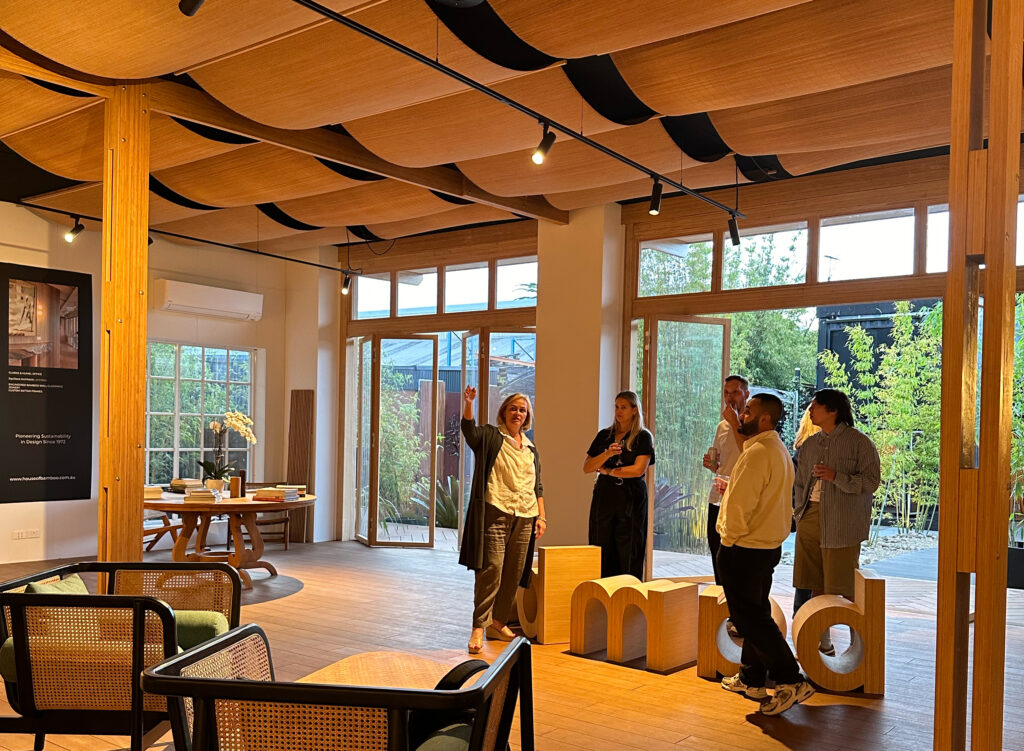
Jennifer took over her father’s decorative bamboo business years ago, and initially knew very little about the material itself. “I didn’t understand bamboo, and I thought, if I’m going to have this business, I’ve got to understand the material,” she says. What followed was years of study into bamboo’s horticulture and engineering, work that convinced her it deserved a much bigger role in the built environment.
Despite that, she’s spent years pushing to build an industry that, as she puts it, barely exists yet. “We don’t have an industry here in Australia at all for bamboo,” she says.
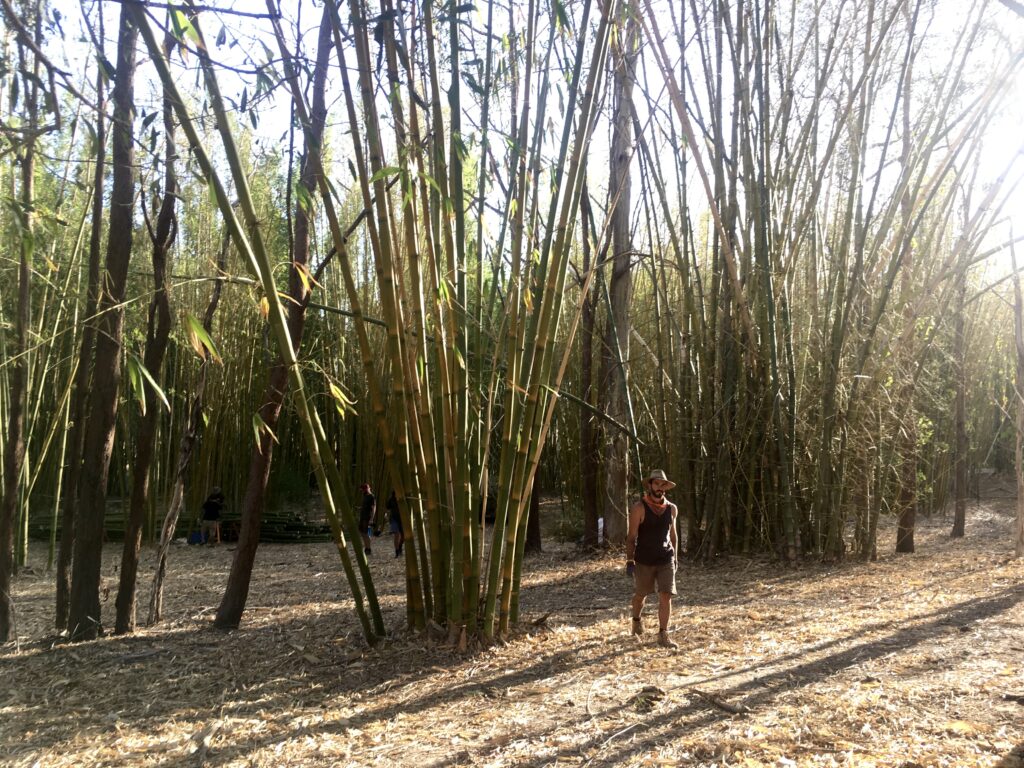
That gap is partly a perception problem. In some council areas, bamboo is still legally classified as an invasive weed. “We have three native bamboos, which everyone’s very surprised about,” Jennifer says. “‘Oh, it’s native?’” In reality, there are many commercially viable clumping bamboo varieties available to plant. It’s the running varieties, not clumping ones, that are invasive.
Water use is the other misconception that comes up constantly. “It’s actually an agricultural crop, bamboo,” Jennifer explains. “It needs water in its initial stages, but once it’s established, at around four to five years, you can actually reduce its water needs.”
Bamboo, though, thrives in the warm Australian climate. Small-scale growers are already established, and interest in scaling up to plantation-level cultivation is building in Queensland and the Northern Territory.
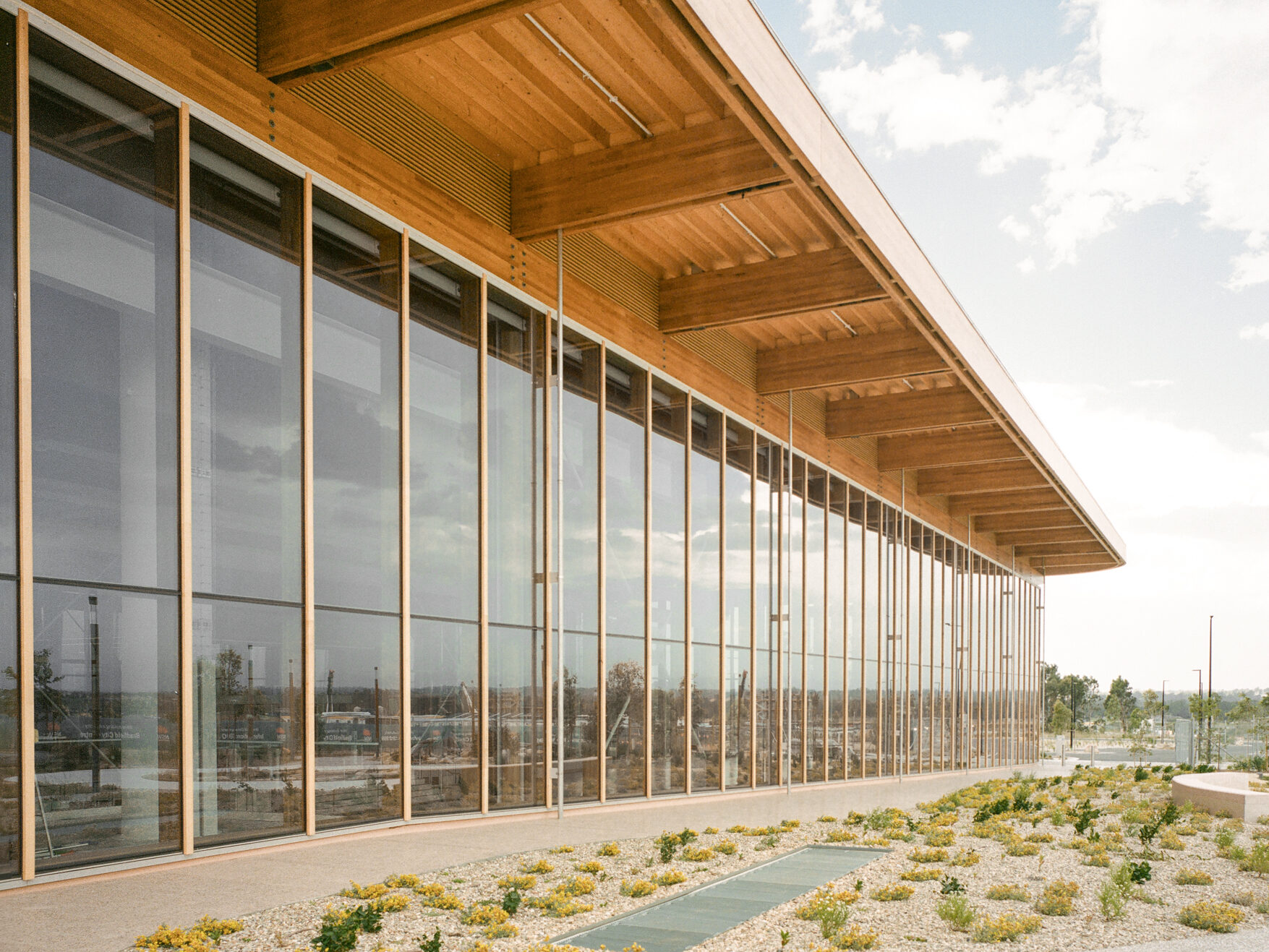
Related: 5 Interesting Myths about Bamboo – Debunked
Durability is the other lingering myth. Bamboo flooring boomed in Australia between 2010 and 2015, then collapsed almost overnight. “It was huge, containers coming in all the time,” Jennifer says. “As it got more and more popular, there were variant quality issues between the bamboo flooring that came in, and some of it wasn’t great. So it got a bad name really quickly.”
What followed were complaints about swelling, mould, and poor performance, damage to the reputation of the industry that it still hasn’t shaken. But Jennifer says any natural material behaves this way if it isn’t specified correctly. “My point is, if timber gets wet as a floor, it will also swell.” The solution is understanding the material, knowing what separates good quality from bad quality bamboo, and designing to its actual properties, the same standard any building material is held to.
That understanding doesn’t come naturally in a country with no bamboo industry to learn from. It has to be built through direct experience with the material.
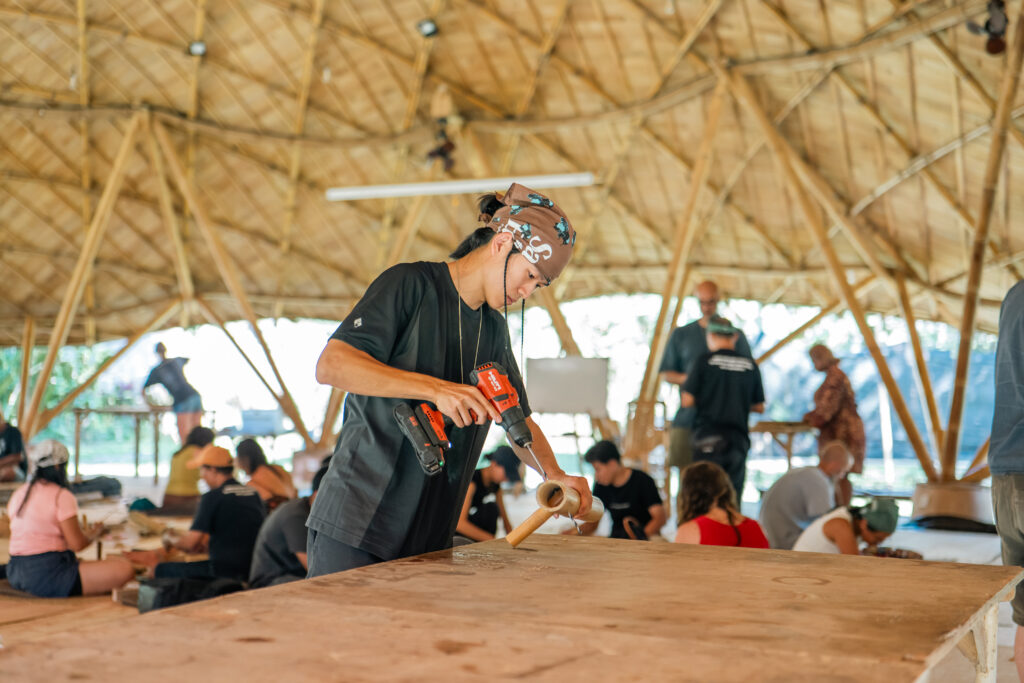
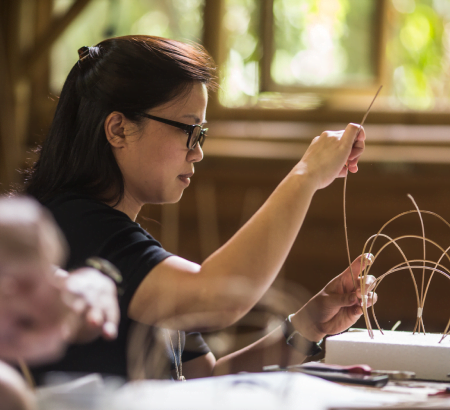
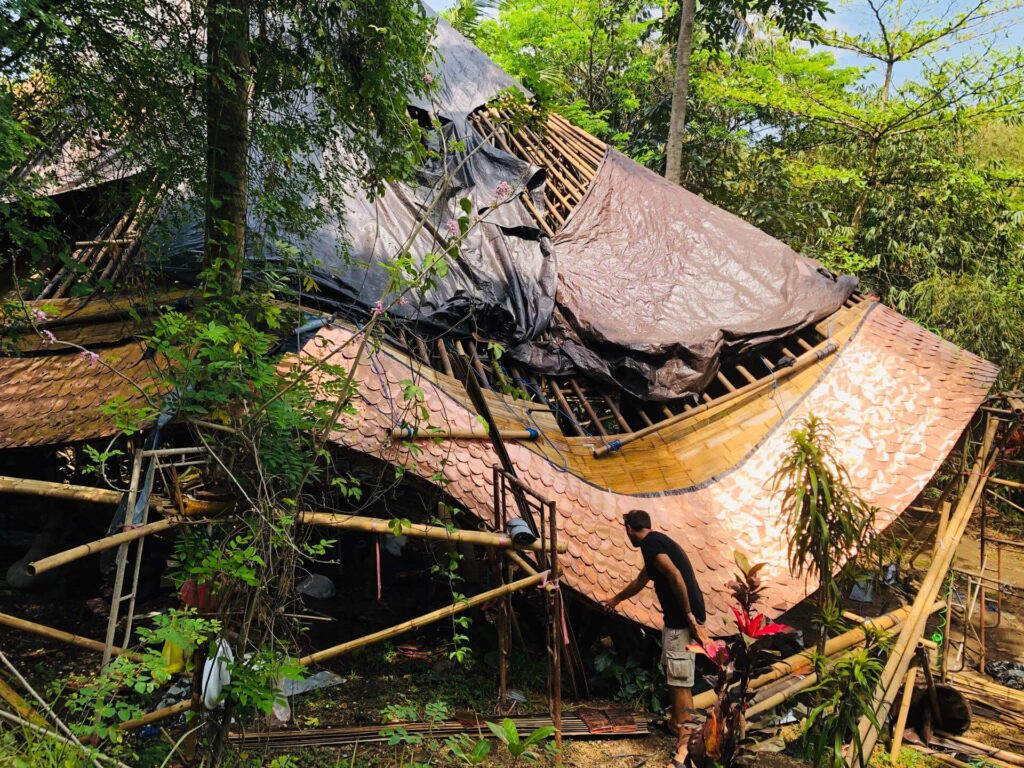
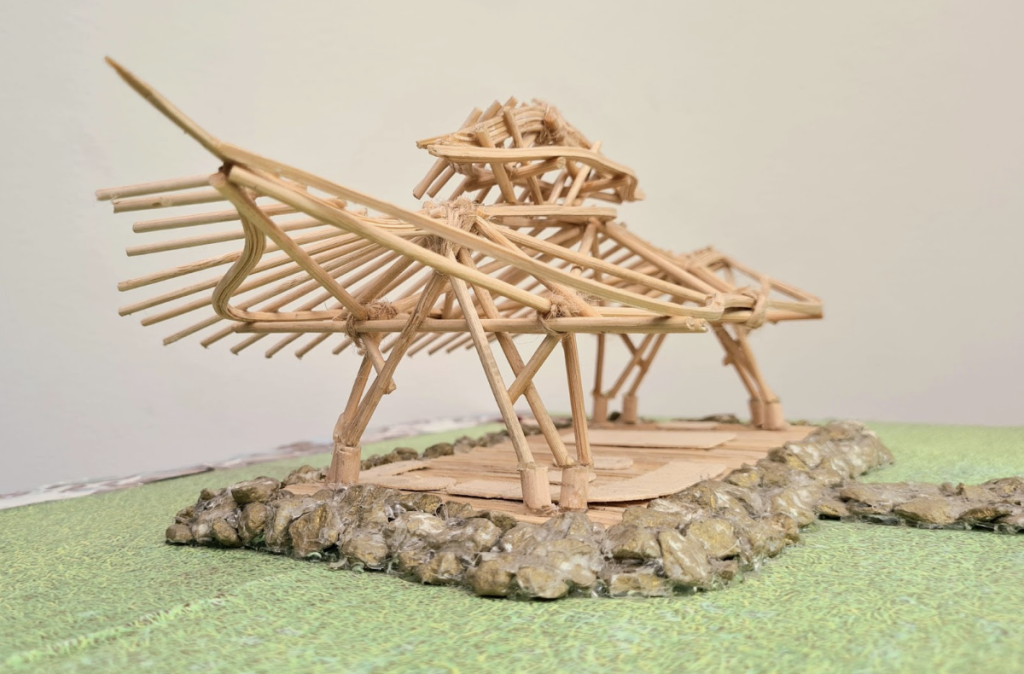
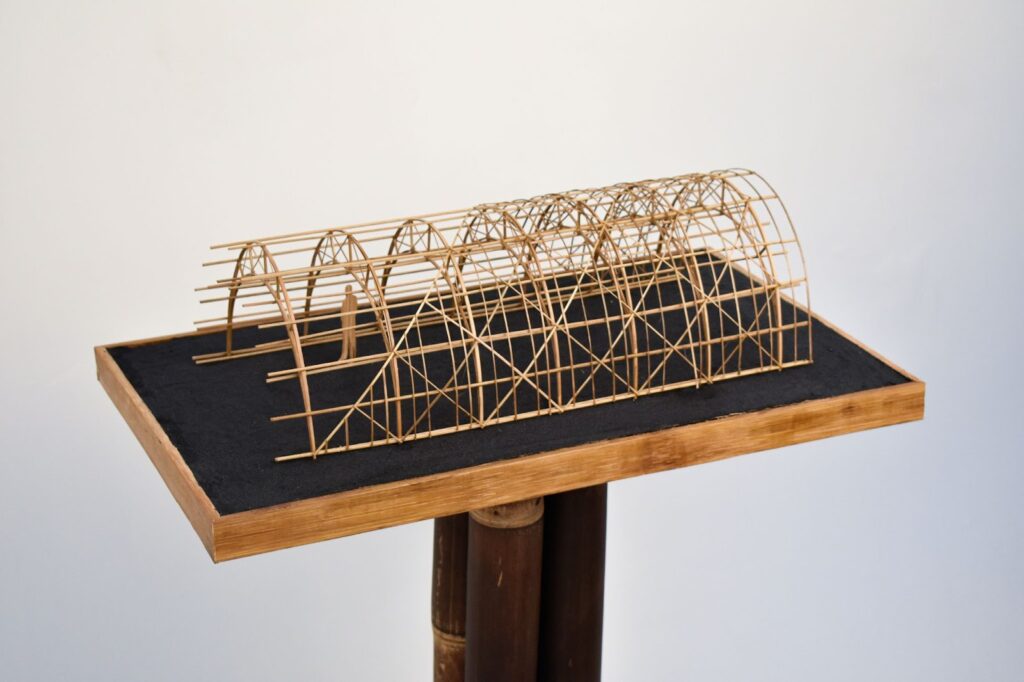
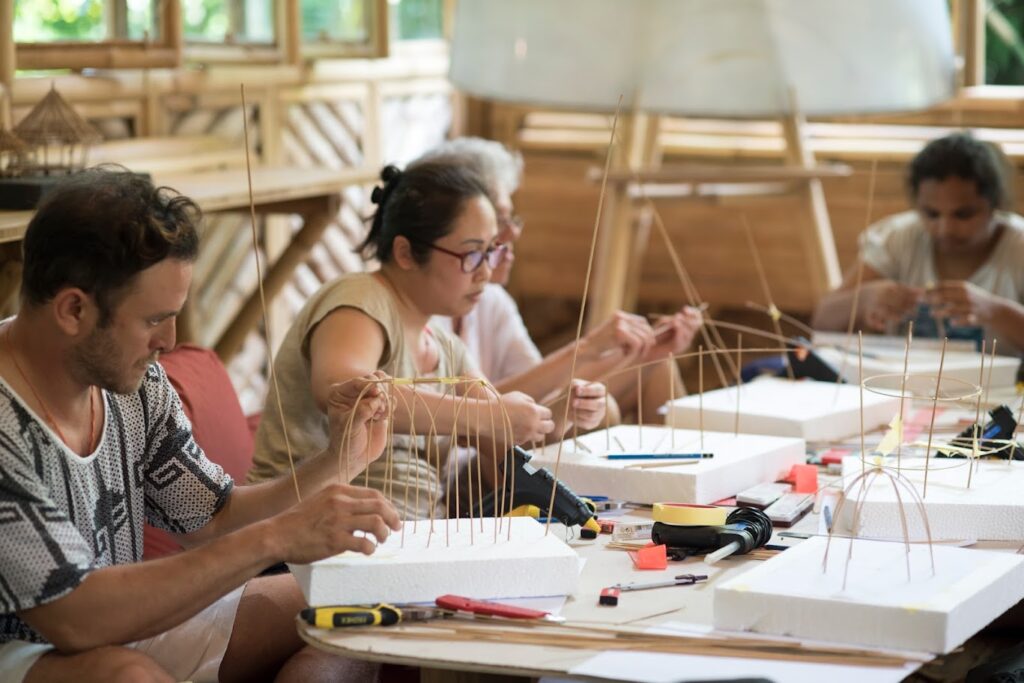
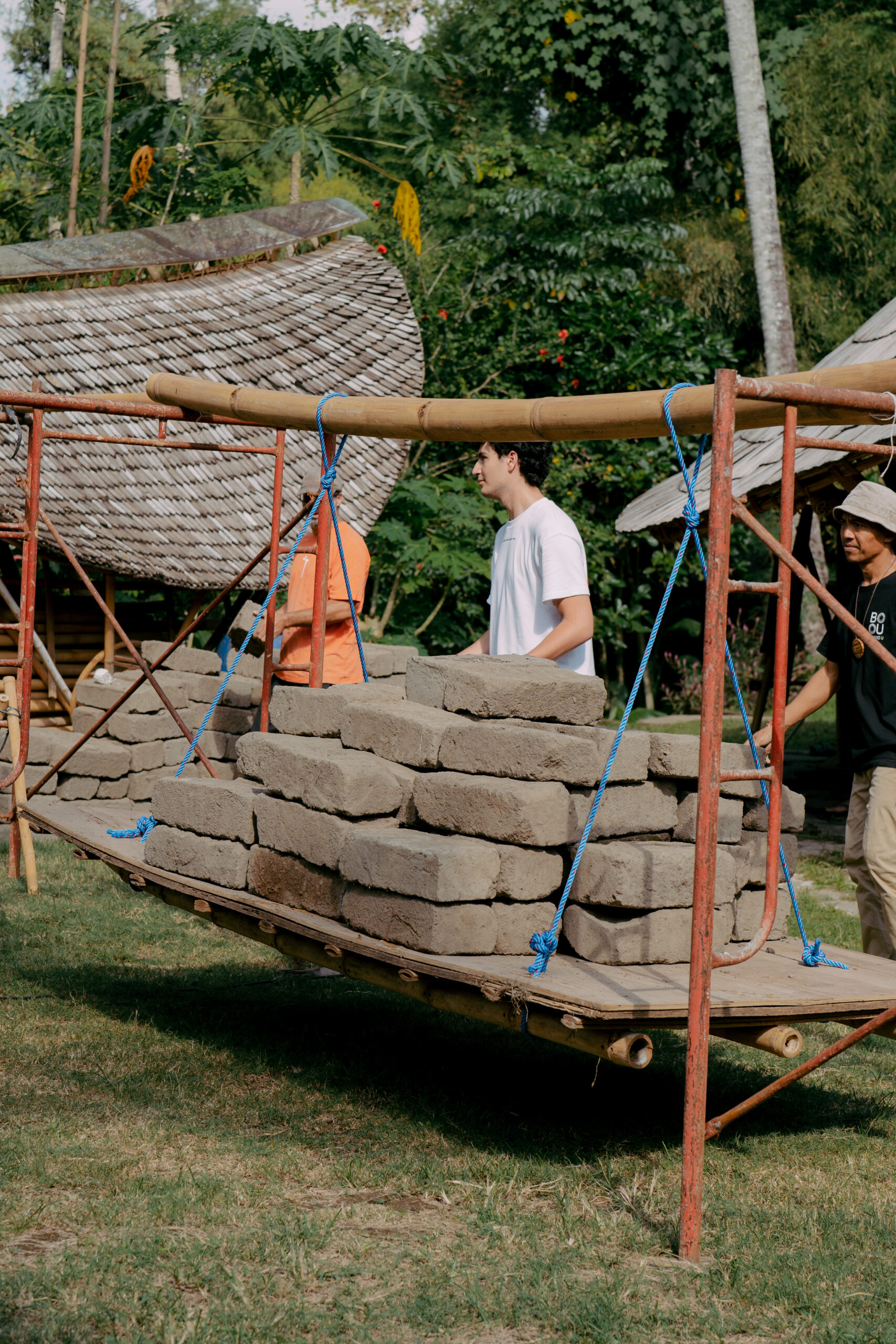
At Bamboo U, students learn bamboo’s full lifecycle firsthand; harvesting, treatment, joinery, and construction. They build the kind of practical knowledge that Australia’s bamboo pioneers need.
Related: Let’s Dare to be Flexible – Designing with Non-Standard Natural Materials
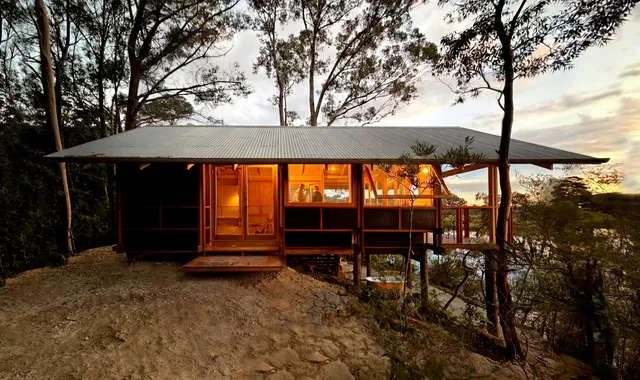
Jennifer’s strategy has been to follow a path already proven by another once-unfamiliar material. When cross-laminated timber first arrived in Australia, it wasn’t accepted either. It took years of imported product and performance testing before it became a standard specification. “CLT timber wasn’t accepted when it first came into the market,” Jennifer says. “We imported it into Australia, and then we went through performance testing for a while to get it accepted, and now it’s specified quite regularly in Australia. I think engineered bamboo will follow that same pathway.”
And after years of pushing by key players in the industry, work to establish certifications and building standards for bamboo use in Australian construction is progressing. After sponsoring the Bamboo Society of Australia’s New Frontier Summit in 2025, Standards Australia is planning to release a report in the next couple of months that investigates the development of bamboo standards internationally.
In addition, the NSW government funded an economic analysis of a commercial bamboo industry in Australia, informed by the Bamboo Society of Australia’s ten-year roadmap to establish an Australian bamboo industry. That work has recently been completed by Deloitte, with the report to be released soon.
Related: From Breaking to Breakthrough – Testing a Bamboo Fish Belly Truss
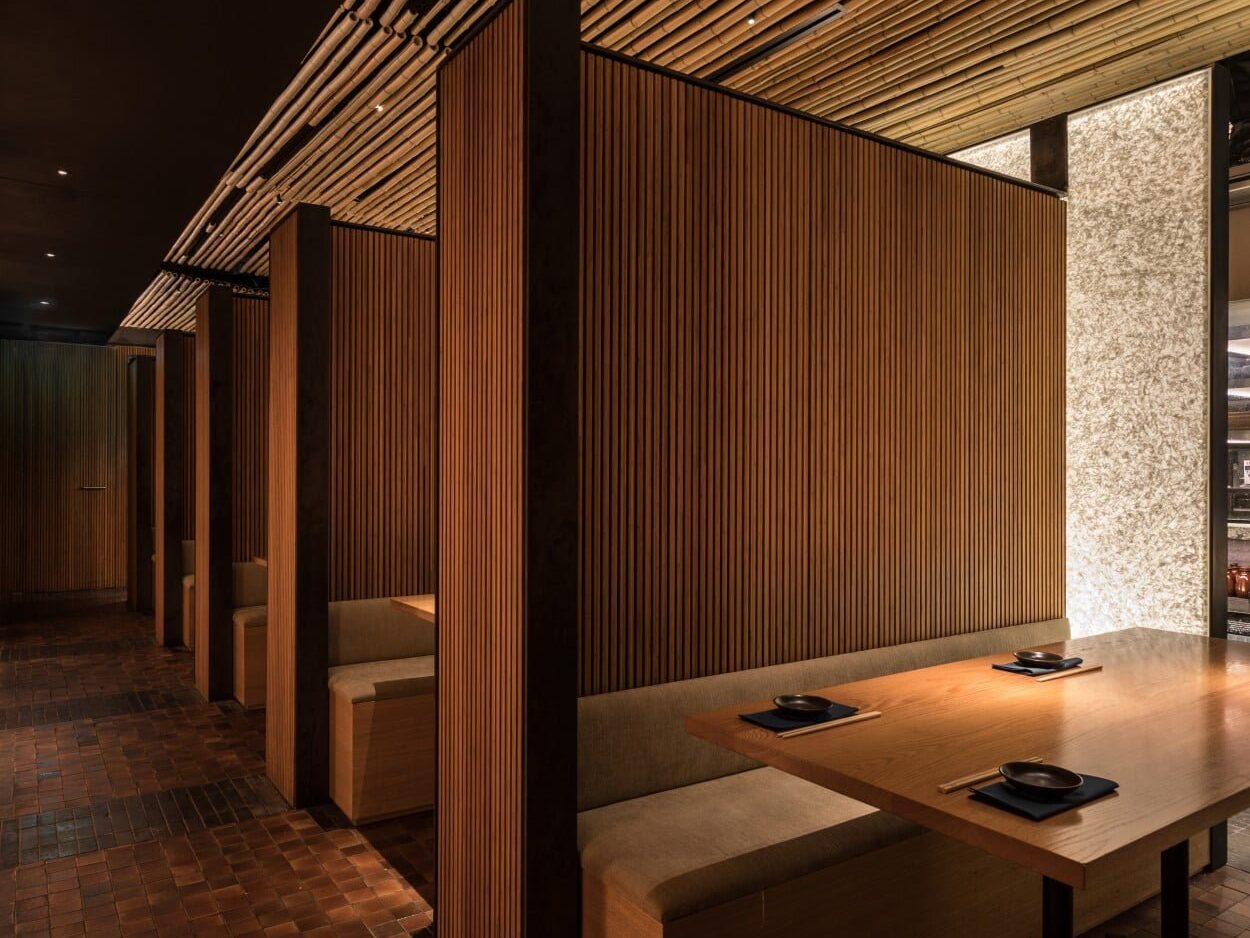
So, how do you build with bamboo in a country that isn’t quite ready for it yet? You don’t wait for the industry to exist. You help build it. That’s exactly what a small, determined group of Australian bamboo pioneers are doing right now.
The codes are changing. The research is underway. What Australia needs now are the people willing to get hands-on before that door fully opens, the pioneers building the skills, and the industry, from the ground up.
Learn to design and build with bamboo in Bali.
Join the 11-Day Bamboo Build and Design Course: hands-on building alongside experts, architects and makers from around the world.
Explore the 11-Day CoursePrefer to start online?
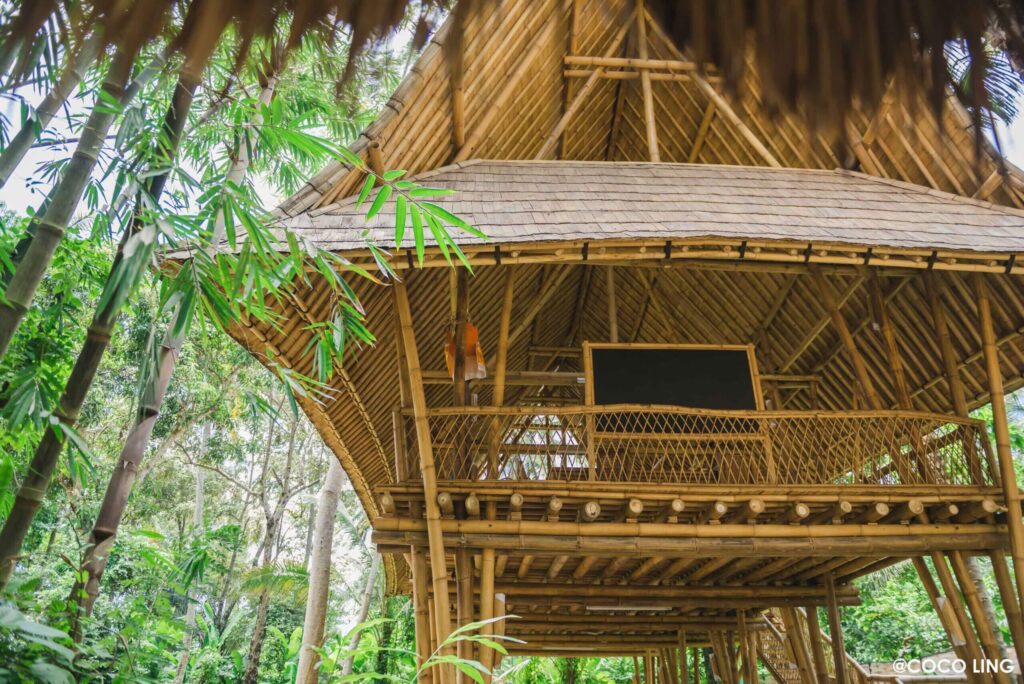
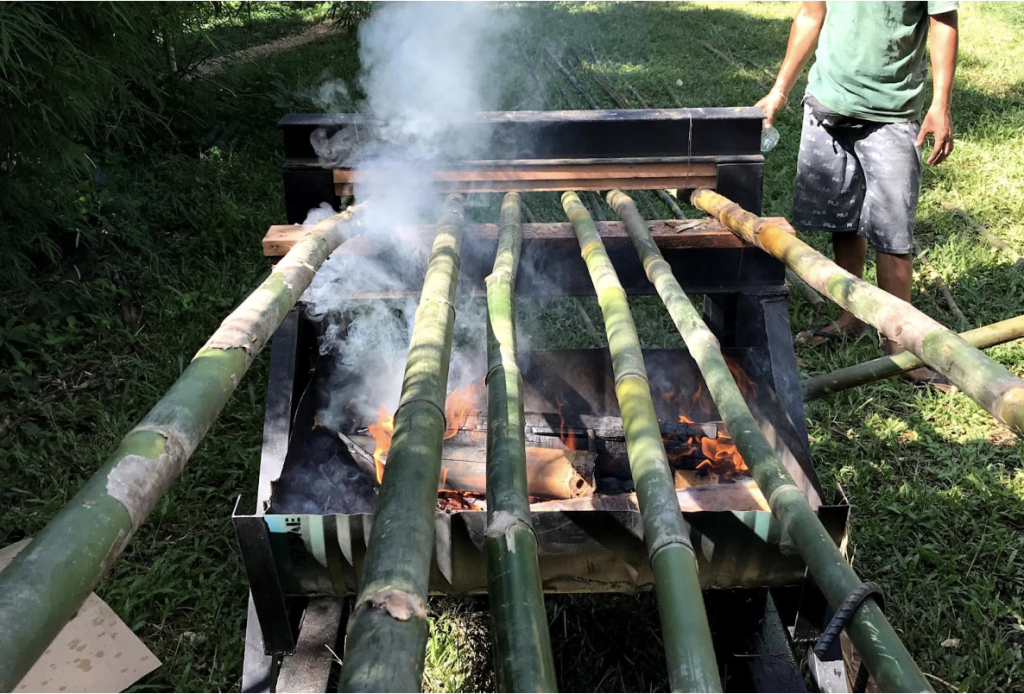
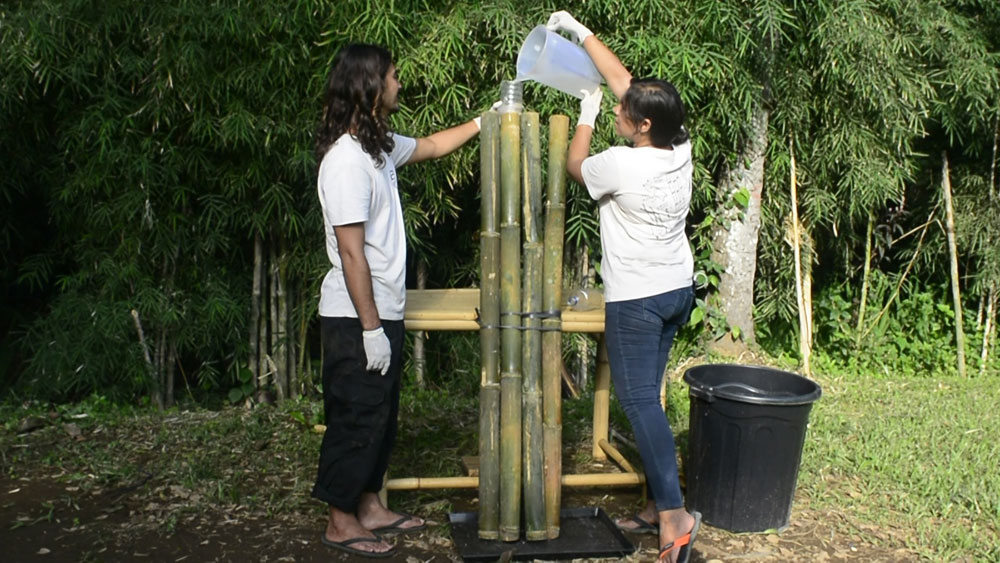
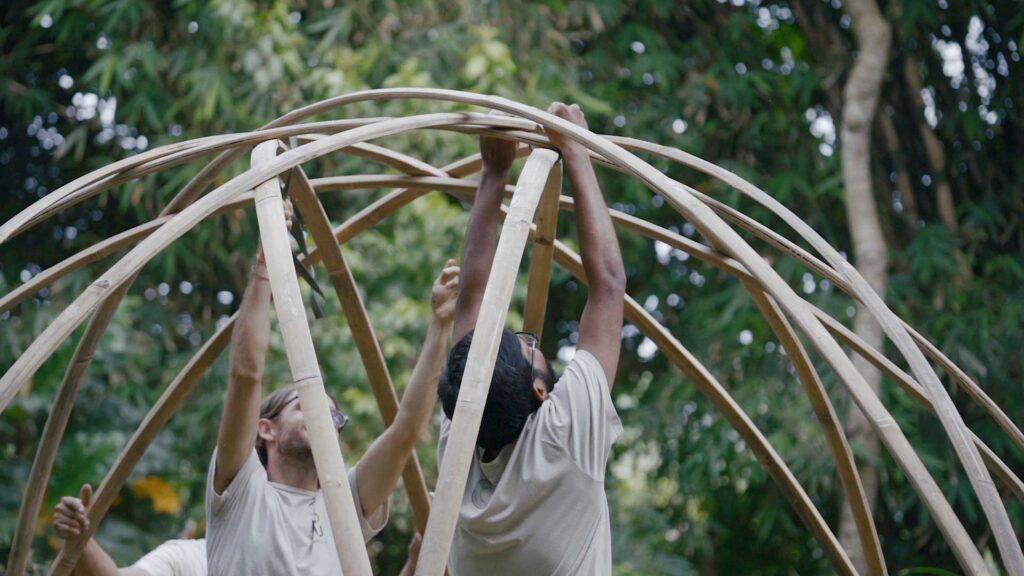


The 11-Day Build & Design Course
In collaboration with IBUKU
Immersed in the most beautiful and innovative bamboo environment. Meet the pioneers, the visionaries, the designers and builders who took this under-utilized material and transformed it into the most desired natural building material for bamboo structure design.
The Intro to Bamboo Engineering Online Course
Designed specially for structural engineers, this FREE online course has been created in collaboration with the Base Bahay Foundation, based in the Philippines.Join the course to learn how bamboo's innate properties make it a versatile building material, and how these properties can be maximized and applied in structural design.