Outdoor Bamboo Treatment for Splits: What Works the Best
By | June 17, 2026 | Treatment -
Bamboo is beautiful outdoors. Until it isn't.When bamboo splits are exposed to the elements, within months black mold starts to grow across the surface. Jean-Baptiste Dubois has spent the last 13 years trying to find a treatment that works. As the founder of Déambulons, a bamboo craft workshop in France, he has tested dozens of methods, worked with specialist laboratories, and built many beautiful bamboo structures in the process. This is what he has learnt.
The Mold Problem
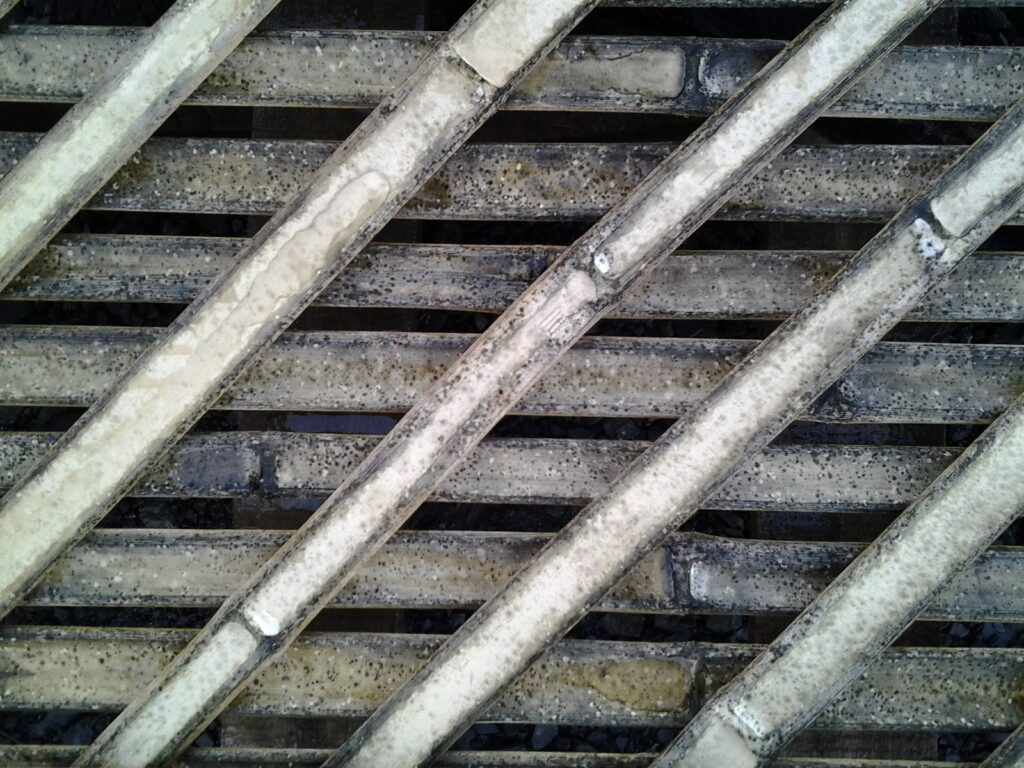
When I launched my bamboo craft business in France 13 years ago, with Atelier Deambulons workshop, I quickly encountered the poor durability of bamboo strips outdoors. After only a few months, humidity caused unsightly black mold to appear on the surface.
My first instinct was to explore the treatments commonly used in the wood industry to improve outdoor durability. I empirically tested dozens of oils, stains, paints, and antifungal treatments, favoring environmentally friendly products whenever possible. These tests were conducted on samples of bamboo strips from the main species used in European crafts: Edulis, Viridiglaucescens and Bambusoides.
Related: The 3 Stages For Turning Bamboo Into A Reliable Construction Material
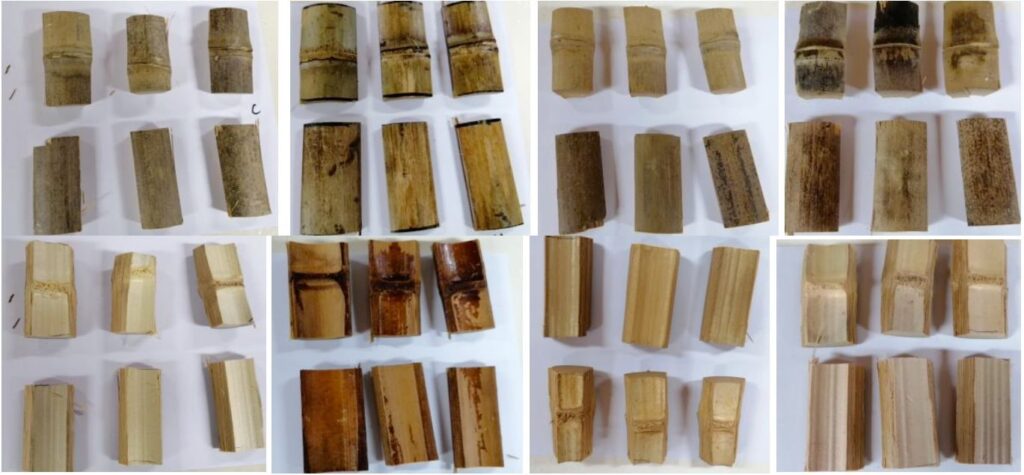
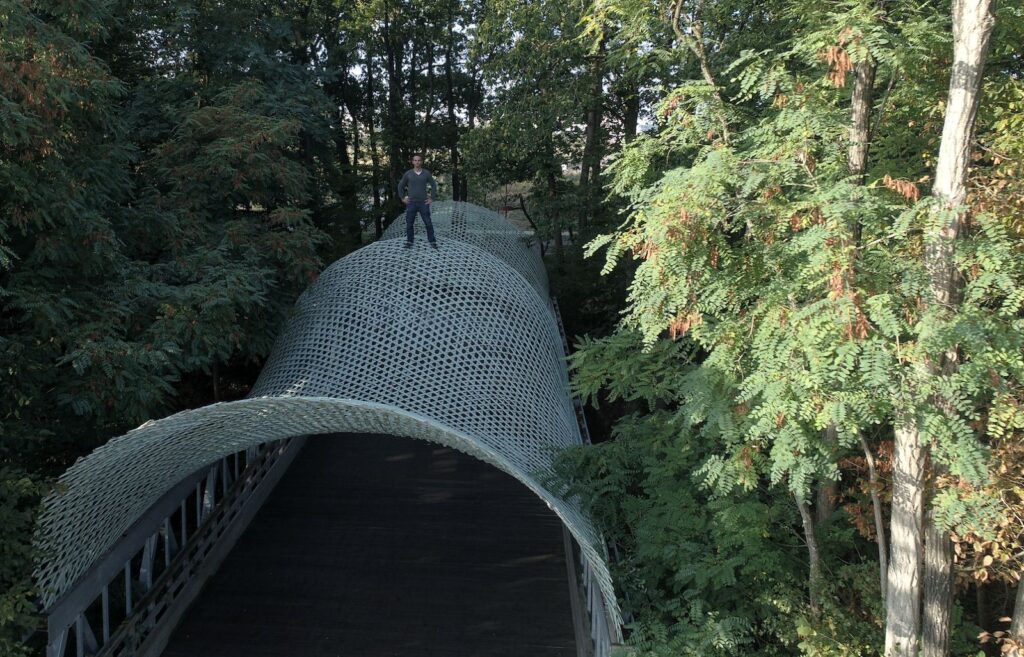
After more than a year of outdoor exposure, the results proved quite disappointing: most of the samples showed signs of mold and fungus. Only the exterior wood paint demonstrated satisfactory durability, with an acceptable aesthetic finish. This was therefore the solution chosen for my first large-scale project: covering a bridge with a bamboo gridshell in an amusement park in France.
Related: The Ultimate Step-by-Step Guide To Treating Bamboo
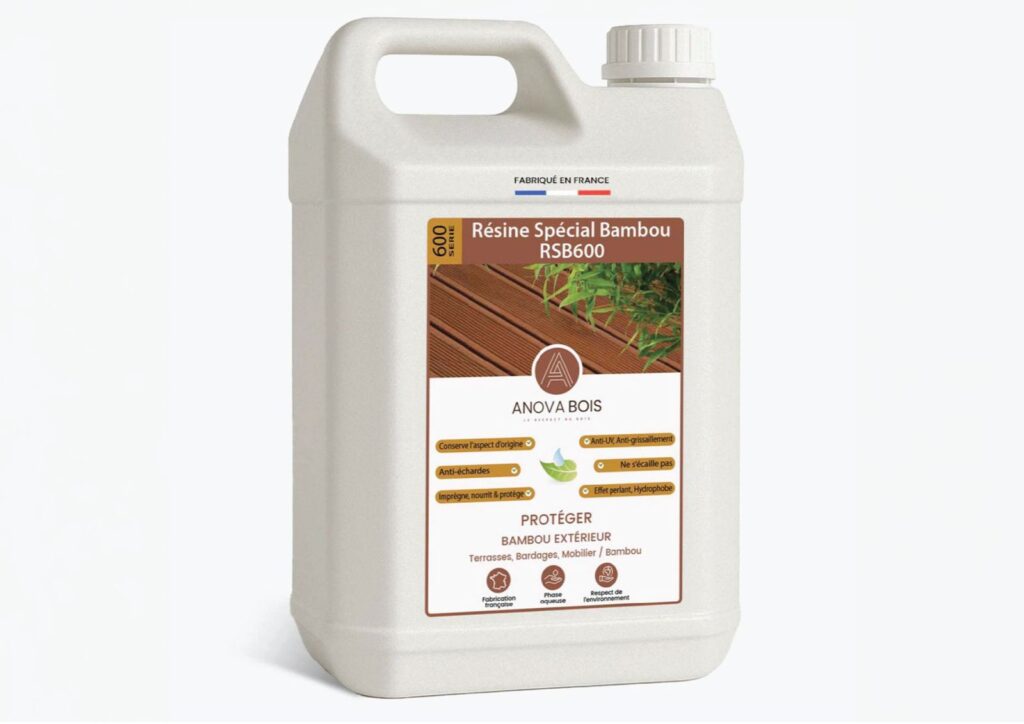
Shortly after, I discovered that a French company, Anova Bois, had developed treatments designed to improve the durability of outdoor bamboo decking. These varnishes and resins had the advantage, in addition to limiting mould growth, of preserving a more natural appearance of the bamboo than paint. However, their application remained quite cumbersome, as treating the slats with two coats using a brush or spray gun was extremely time-consuming.
Oleothermal Treatment
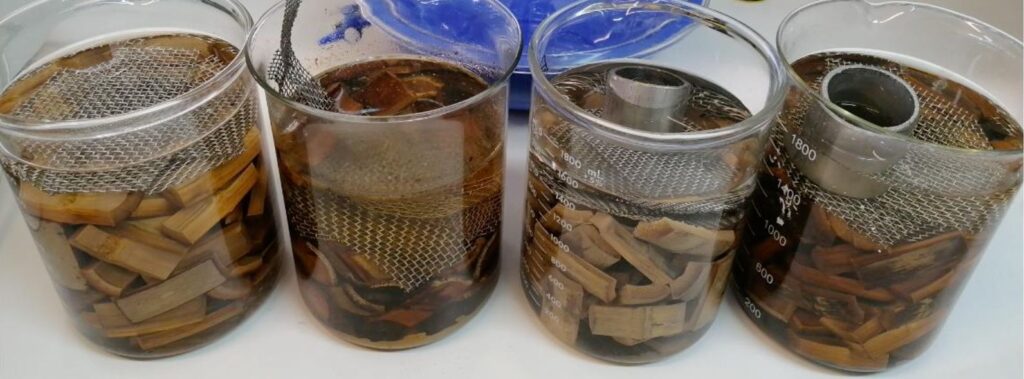
I therefore sought a more industrial treatment method. I was looking for a method that was better suited to the tens of thousands of bamboo strips required each year for my projects. So I turned to a technique already used in Europe for exterior wood cladding: oleothermal treatment. Its principle is simple: the strips are immersed twice in a large vat of boiling oil, much like a giant deep fryer. This process deeply impregnates the bamboo, improves its durability, and modifies some of its chemical compounds, making it less attractive to fungi.
This innovative treatment applied to bamboo was then the subject of studies conducted by the Crittbois laboratory to evaluate its effectiveness against different strains of fungi and to compare it with other possible bamboo treatments.
Related: The 3 Key Design Features of Bamboo Split Beams
Six Years On, Still Standing
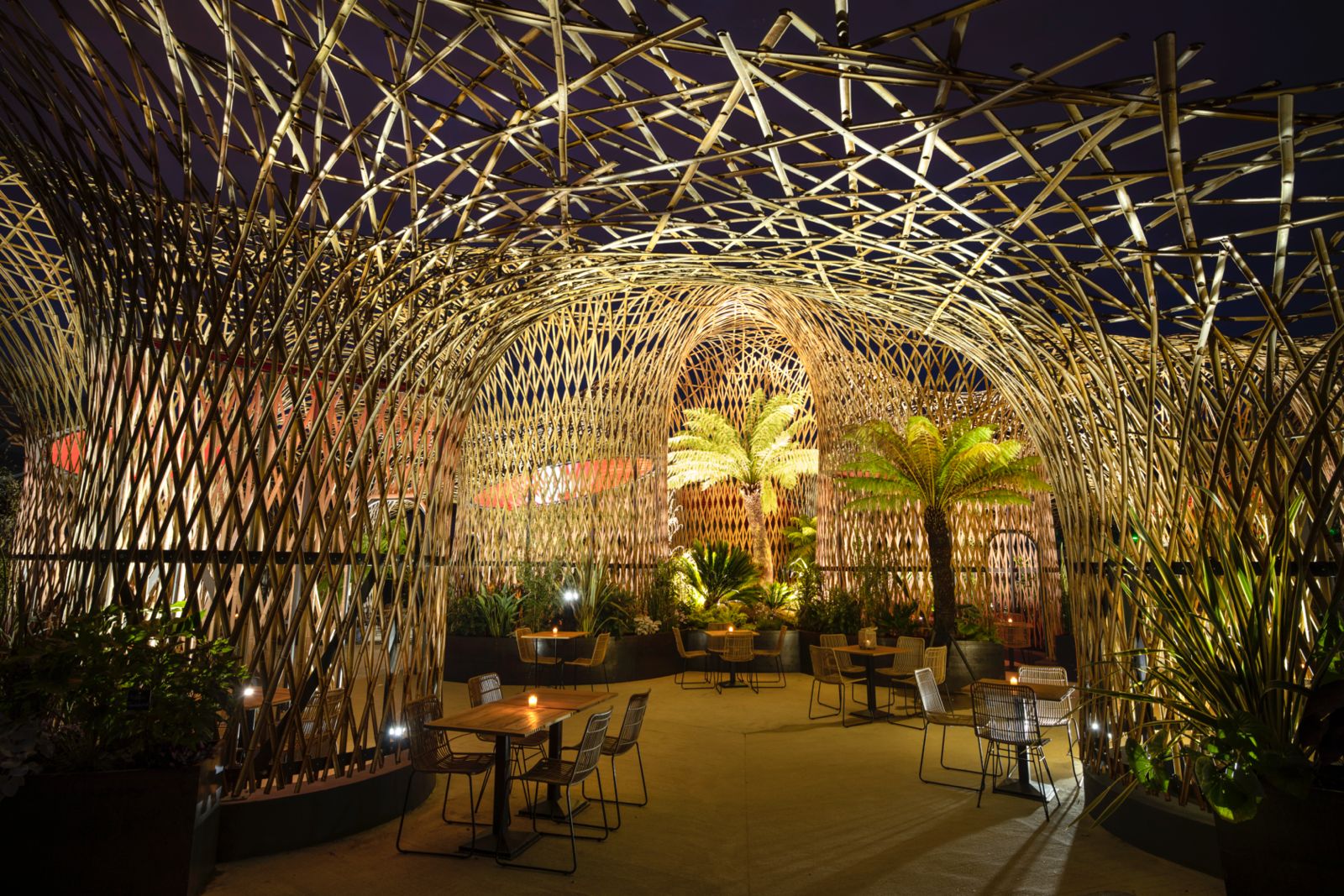
This is the solution that was chosen for the construction of the 600 m2 canopy that I created at Terra Botanica Park in 2020. After more than 6 years of outdoor exposure, this project remains today very aesthetic and solid.
However, the bamboo slats have turned grey, as any wood exposed to the elements would.
A New Challenge: Fire-Sensitive Builds
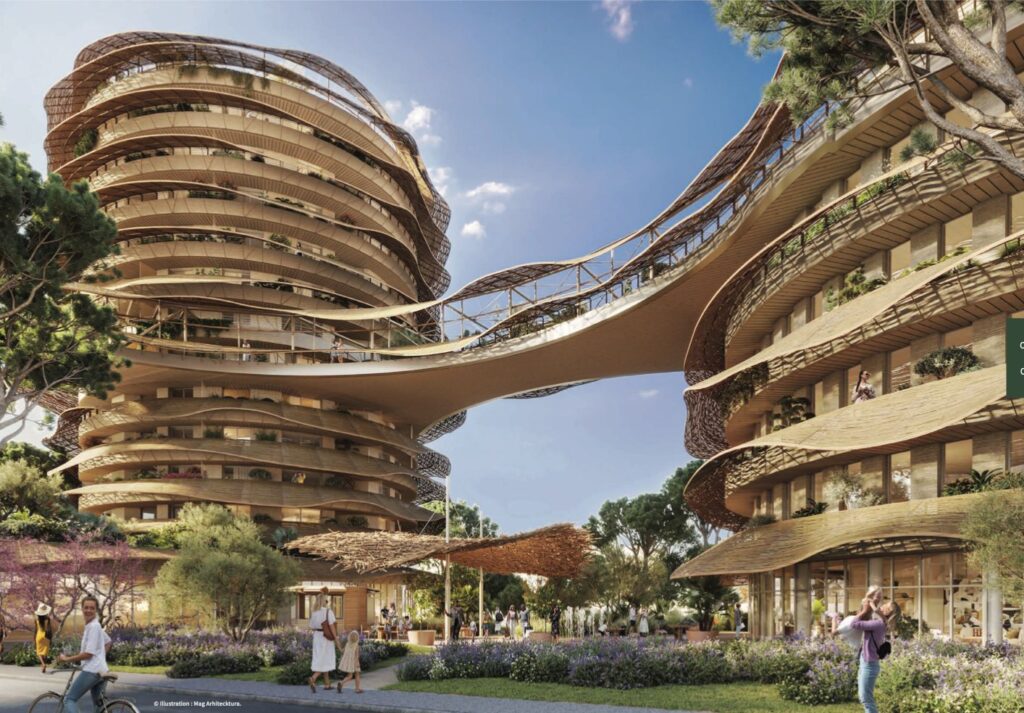
More recently, the architecture firm Coldefy approached me about designing large bamboo shade structures for a bioclimatic building project in Montpellier. For this project, an oil-based treatment was not feasible due to the fire risk. A thermal treatment of the bamboo slats, combining heat and steam, was therefore explored.
The company Déambulons conducted initial empirical tests, the results of which proved encouraging. Tests are currently being carried out in France by the FCBA laboratory. These tests should yield results and certification (class 3 or class 4) in the coming months, officially validating the durability of the bamboo slats outdoors.
In conclusion, these years of research and experimentation have allowed me to draw several conclusions:
- To limit mold growth, it is essential to cut bamboo at the right time—from October to February in Europe—and during a waning moon, in order to reduce the compounds that fungi feed on.
- Outdoors, bamboo will eventually turn gray, like any wood exposed to the elements; we must accept it.
- Without a roof, the lifespan of bamboo outdoors does not appear to exceed 10 years, regardless of the treatment applied.
- To prevent mold growth, it seems more effective to modify the internal composition of the bamboo—particularly through heat treatment—than to apply surface products.
- In Europe, few insects currently attack bamboo, which does not justify, for the time being, the widespread use of insecticide treatments. However, the recent appearance of the Japanese furniture beetle could change this situation.
Of course, many other treatments remain to be explored, particularly on the whole cane. I know that some colleagues in Europe have already tested processes such as smoking or seawater treatment, with results that also appear promising.
I have also come to understand that conducting serious scientific research with laboratories requires time and financial resources. Outside of academia, this is often only possible through innovative projects, driven by clients willing to bear the additional cost of moving beyond conventional solutions.
Europe is currently experiencing a real surge in the development of the bamboo industry. Many stakeholders are committed to adapting its uses to our latitudes, evolving regulations, and transforming the image of this plant, which is still often associated with tropical regions. I am excited to see new advances and innovations emerge in the coming years!
Want to craft your own bamboo project? Join us for our next 11-Day Bamboo Build and Design Course by tapping this link!
Master bamboo treatment, online.
Self-paced online course taught by the same experts behind our Bali programs. Start today from Rp 2,300,000 (approx. US$139).
Explore the Treatment CourseSee all online courses
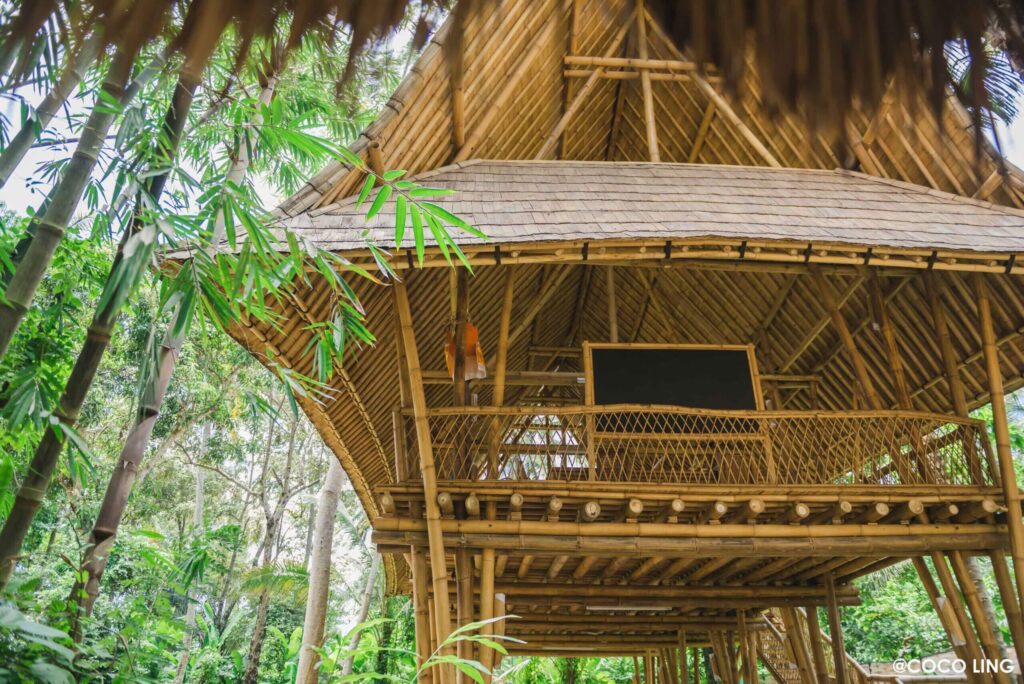


The 11-Day Build & Design Course
In collaboration with IBUKU
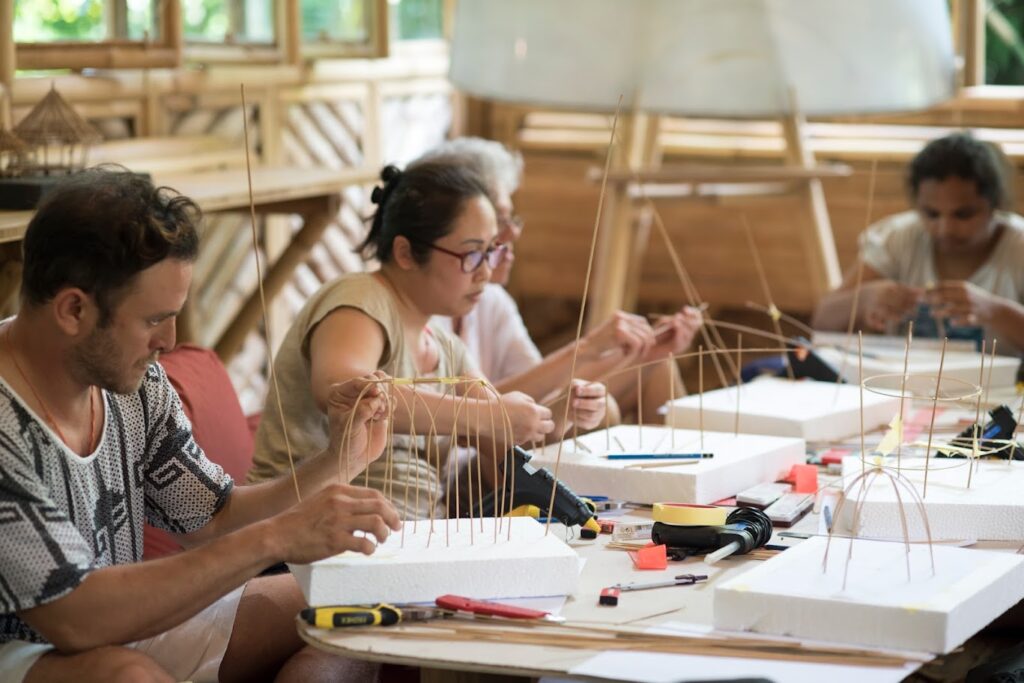
Immersed in the most beautiful and innovative bamboo environment. Meet the pioneers, the visionaries, the designers and builders who took this under-utilized material and transformed it into the most desired natural building material for bamboo structure design.
The Intro to Bamboo Engineering Online Course
Designed specially for structural engineers, this FREE online course has been created in collaboration with the Base Bahay Foundation, based in the Philippines.Join the course to learn how bamboo's innate properties make it a versatile building material, and how these properties can be maximized and applied in structural design.