The 5 Stages of Treating Bamboo in a Factory
By | December 5, 2025 | Treatment -
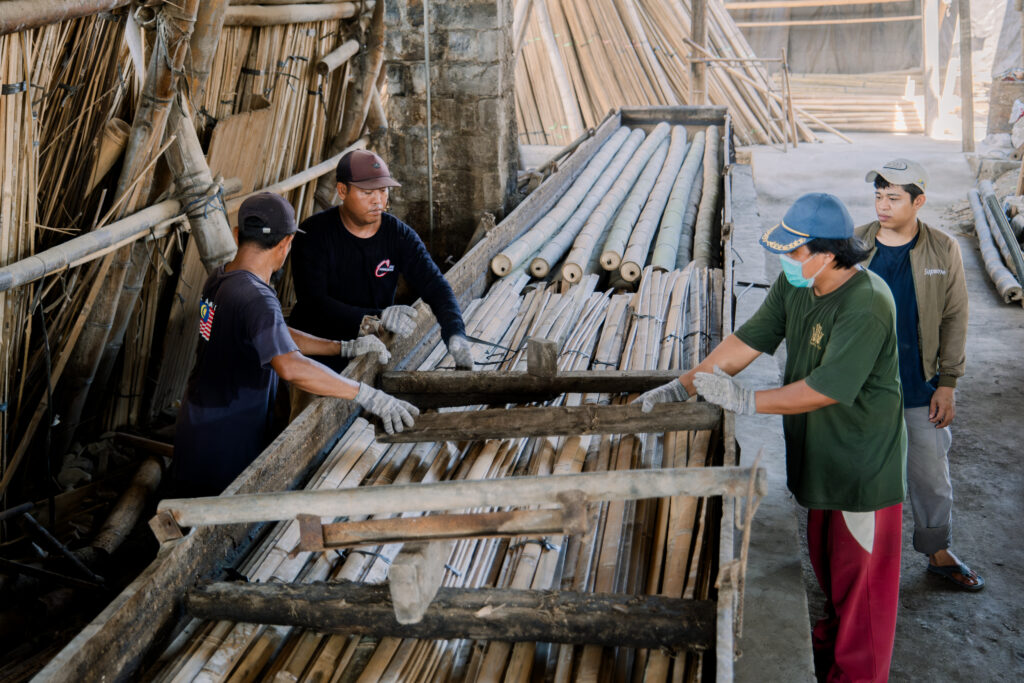
Bamboo treated in a factory typically undergoes 5 steps to ensure it is well-treated and suitable for construction.
Treating bamboo is vital for building beautiful, long-lasting bamboo structures. These procedures prevent the material from being attacked by wood-boring insects which are attracted to the bamboo’s inner starchy flesh. While treatment can be done on a small-scale, it is often done on medium to large scales in specialized treatment factories. Preserving bamboo in a treatment facility typically requires 5 key steps to ensure the material is suitable for long-term use. In this article, we will explore the following stages that bamboo undergoes in a treatment factory:
Once all 5 steps are complete, the bamboo is ready to be used for construction or other projects.
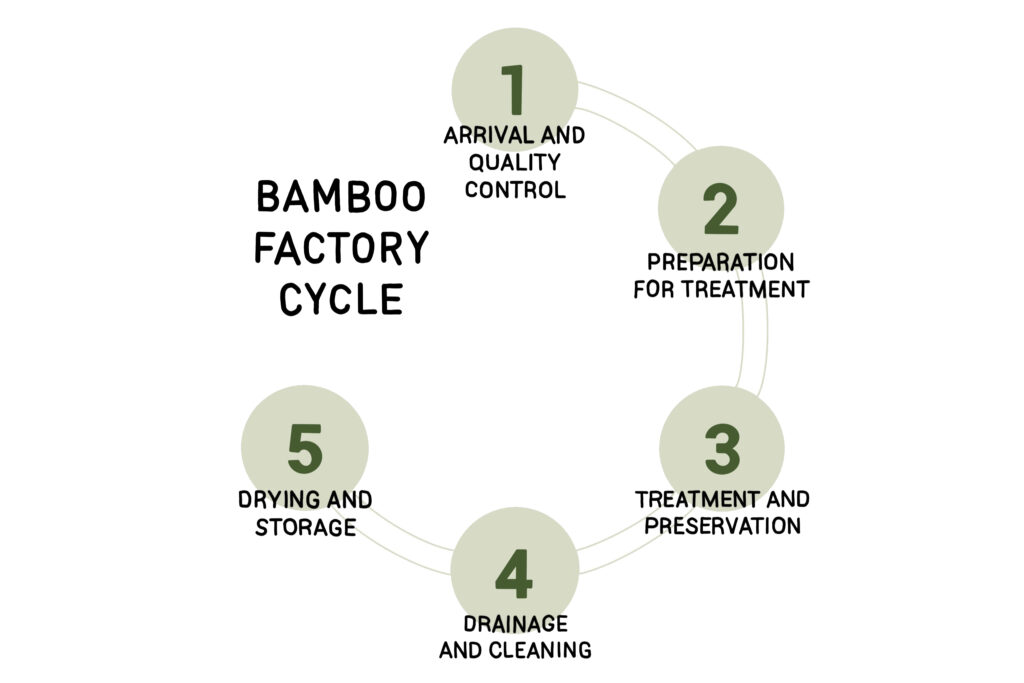
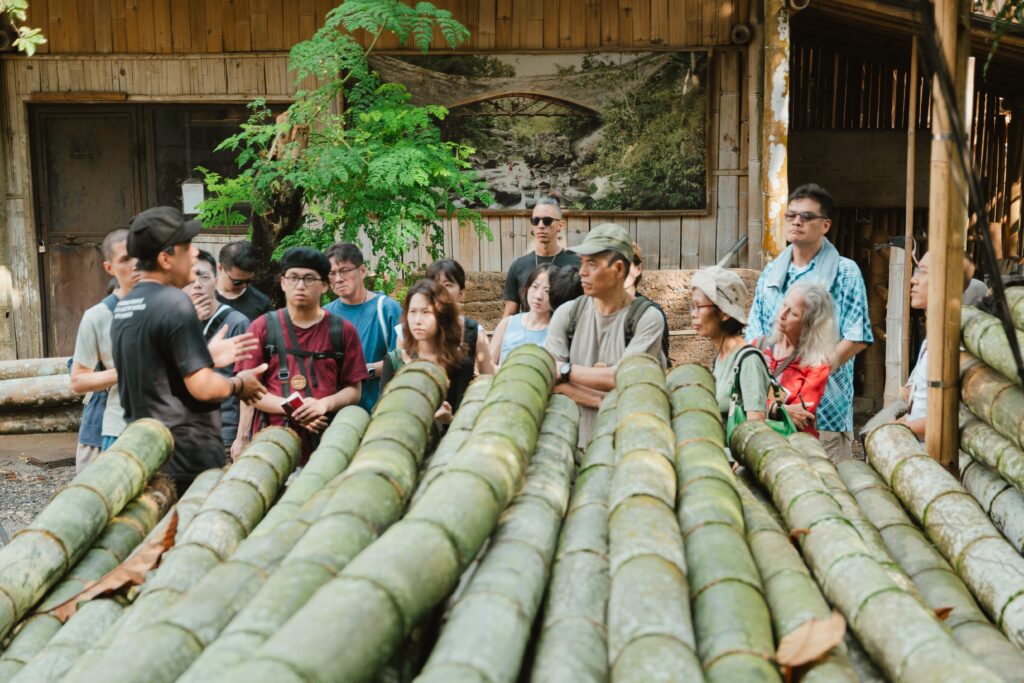
Arrival and quality control is the first stage the bamboo goes through at the treatment facility. Besides actually treating the bamboo, this is the most important step in the process. Once the bamboo arrives at the factory, the culms are color-coded to indicate the specific supplier of each pole. The poles are then inspected for quality and age.
Quality checks that are carried out include those to check the condition of the bamboo. This includes checking for any dents, cracks, insect damage, and age.
Understanding the age of bamboo is crucial. If bamboo is harvested too early or too late, it is unsuitable for construction. This is because of the amount of a substance called lignin in the bamboo fibers. Lignin is what makes wood rigid and tough. In bamboo, the amount of lignin increases as the plant ages. In young bamboo, there is limited lignin, meaning the internal fibers are not yet strong enough to provide enough rigidity for building. Meanwhile if the bamboo is too old, there is excess lignin, which makes the culms brittle and prone to cracking.
Carrying out both age and quality checks ensures that the material sent for treatment is of high quality and strength. Additionally, since the culms are color-coded in advance, the team can identify if too many poles are of poor quality from a particular supplier.
After quality checks are completed, the bamboo is moved to the next stage to prepare it for treatment. Depending on the selected treatment method and how the bamboo will be used in its final stage, this step may entail different processes.
Regardless of the treatment type being used, the poles are first trimmed to the required lengths. If the bamboo is going to be used in the form of splits or flattened bamboo, the poles are spliced accordingly.
Other procedures that may take place to prepare the poles include puncturing the bamboo diaphragms with a steel rod or drilling the internodes (for small, thick, or solid bamboos). This is how the bamboo is prepared for methods like the hot- or cold-immersion treatments or Vertical Soak and Diffusion technique. This allows a treatment solution to penetrate into the interior of the culms. This solution makes the starches inside the bamboo unattractive to borers.
While some methods will require some extra steps to further prepare the bamboo for long-term preservation, other techniques such as the boucherie system or smoking method allow one to directly proceed to the treatment stage.
Related: Vernacular Methods Of Treating Bamboo You Should Know

As implied by the name, this is the main stage in the bamboo treatment process. There are several traditional and non-traditional treatment methods for bamboo, each of which require different time lengths and resources.
Traditional methods are those that were developed by indigenous societies to treat material. These include smoke-treatment, water-leaching, and heat treating. However, because these methods rely more on natural resources or processes, it can be difficult to achieve consistently well-treated bamboo each time.
On the other hand, non-traditional methods include the immersion techniques, boucherie systems, and pressure systems. Over the last few decades, these non-traditional methods have been further developed to ensure quality and longevity of the bamboo being treated. Additionally, these are typically the types of methods that are used to treat bamboo in treatment facilities. For example, Bamboo Pure, the factory where we procure our treated bamboo from, uses the hot and cold immersion methods.
Regardless of the treatment type used, you want to ensure that the bamboo is being well-treated so it can be used for long-term applications.
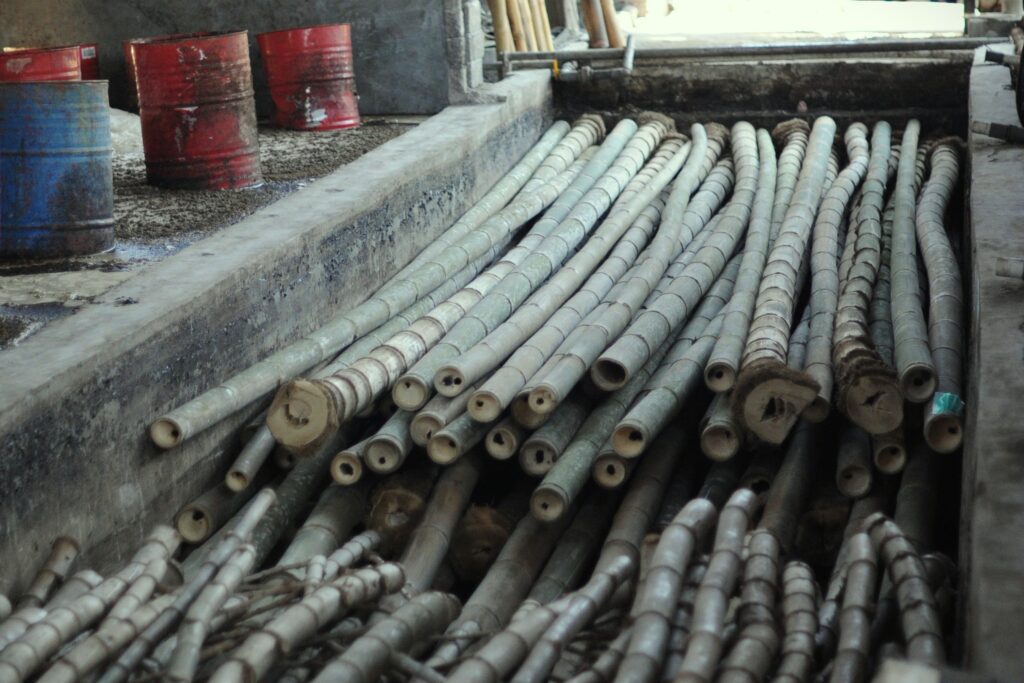
After treating the bamboo, the material requires post-treatment care. If the bamboo has been soaked or filled with a treatment solution, then the excess solution must be completely drained.
Bamboo poles also have to be cleaned or washed, often using a power-hose, to remove any remaining dirt, debris, or treatment solution residue that may still be lingering on the pole. Once the poles are cleaned, they are ready to be dried and stored until they are ready for use.
Related: The 3 Stages For Turning Bamboo Into A Reliable Construction Material
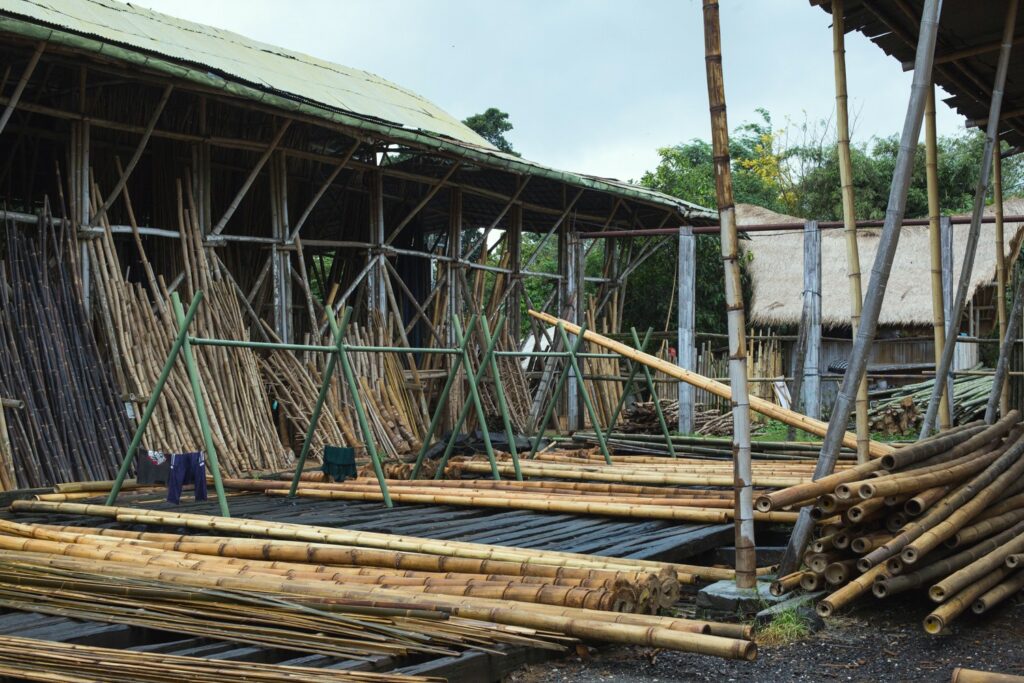
The final step in the treatment process is to dry the bamboo poles and store them until ready for use. Depending on the treatment method and climatic conditions, poles may take up to 6-8 weeks to dry fully. Once the culms are dry, they can be transferred to a space away from direct sunlight and moisture. This will keep the bamboo in good condition until it is required for use.
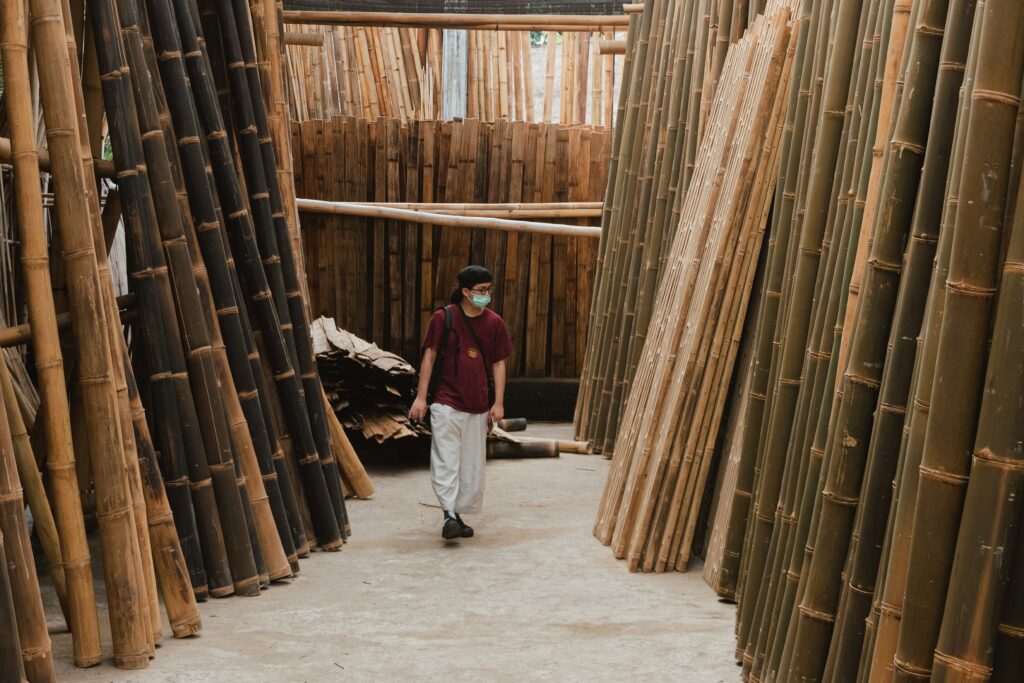
Each of the 5 steps outlined above are key to ensuring you are treating the bamboo in a manner that is suitable for long-term use. The material can be used in a variety of projects, especially within the realms of product design and construction.
Want to get started with bamboo treatment for yourself?
Sign up for our Bamboo Treatment Online Course HERE.
Master bamboo treatment, online.
Self-paced online course taught by the same experts behind our Bali programs. Start today from Rp 2,300,000 (approx. US$139).
Explore the Treatment CourseSee all online courses




The 11-Day Build & Design Course
In collaboration with IBUKU
Immersed in the most beautiful and innovative bamboo environment. Meet the pioneers, the visionaries, the designers and builders who took this under-utilized material and transformed it into the most desired natural building material for bamboo structure design.
The Intro to Bamboo Engineering Online Course
Designed specially for structural engineers, this FREE online course has been created in collaboration with the Base Bahay Foundation, based in the Philippines.Join the course to learn how bamboo's innate properties make it a versatile building material, and how these properties can be maximized and applied in structural design.